
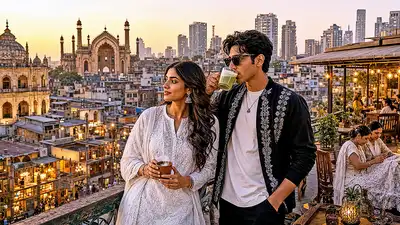
Picture is for representational purposes only (LT AI imagery)
The annexation of Awadh in 1856 and the uprising of 1857 transformed the city. Later, the city became an important centre of the freedom movement and hosted the Lucknow Pact in 1916. In 2025, UNESCO named Lucknow a Creative City of Gastronomy, inducting it into the UNESCO Creative Cities Network.
Long before it became synonymous with the Nawabs, the city carried another memory in its name, Lakshmanapuri or Lakshmanouri, according to local tradition. Lucknow has always known how to make an entrance. It could be a slow morning in Chowk, where shutters rise to the smell of kebabs and kachoris, an embroidered kurta gliding past old-city facades or a young entrepreneur pitching an idea in Gomti Nagar, speaking in a mix of Hindi, English and Lakhnawi wit. For centuries, the city has reinvented itself without losing its tehzeeb, warmth of its love for food and craft. Lucknow is not stuck in the past. It simply knows how to carry the past with style. The official history of Lucknow district links this belief to the city’s association with Lakshmana, Lord Ram’s brother, and points to Lakshmana Tila as part of that enduring narrative. The legend is a reminder that Lucknow’s story began well before its royal courts and colonial landmarks. The city passed through several historical phases and influences, from the ancient Kosala region and later the Delhi Sultanate, Sharqi rulers and Mughals to the Nawabs of Awadh, the East India Company and the British Raj. Picture is for representational purposes only (LT AI imagery) When the Nawabs made Lucknow their capital in the 18th century, the city became a magnet for poets, musicians, dancers, artisans, architects, chefs and scholars. Monuments such as the Bara Imambara, Rumi Darwaza, Chhota Imambara, Chattar Manzil and Kaiserbagh rose across the city. Lucknow’s history also carries upheaval. The Residency, Begum Kothi and Sikandar Bagh remain reminders of violence, resistance and political turmoil. Yet, it was the real Nawabi legacy that entered everyday life, the way people spoke, dressed, cooked, hosted and disagreed. That is the magic of tehzeeb. It is not just about saying ‘pehle aap’. It is about making room for another person, opinion or story. Lucknow’s politeness comes with personality, witty without being rude, dramatic without being loud and warm without being overfamiliar. In Lucknow, history does not sit quietly behind glass. It spills into Chowk’s lanes, appears in old homes, survives in family kitchens and continues in workshops where artisans work with needle, thread, metal and patience. A centuries-old craft is worn, eaten, used and passed on. A chikankari kurta can be paired with sneakers, a traditional motif can appear on a blazer, a family recipe can travel through a food-delivery app, an old haveli can become a studio or café. Few traditions show this better than chikankari. Once associated mainly with pastel kurtas and summer wardrobes, the craft is now appearing on denim jackets, gowns, skirts, coats, blazers, tuxedo shirts, wide-leg trousers and Indo-western menswear. Designers are experimenting with brighter colours and sharper silhouettes. Chikankari now belongs in the college closet, the boardroom, the holiday wardrobe and even on the red carpet. Lucknow has not abandoned its craft, it has given it better lighting. Food is another reason the city refuses to become ordinary. Its culinary identity may have royal roots, but it has never been restricted to royal tables. The slow artistry of a kebab exists alongside the instant joy of a hot kachori, family recipes, neighbourhood favourites and new kitchens. Rich gravies share space with street snacks and contemporary interpretations. In Lucknow, food is conversation, hospitality and identity served on a plate. The recognition acknowledged the city’s Awadhi food traditions, vibrant culinary ecosystem and continuing efforts to preserve and reinvent its gastronomic culture. Picture is for representational purposes only (LT AI imagery)
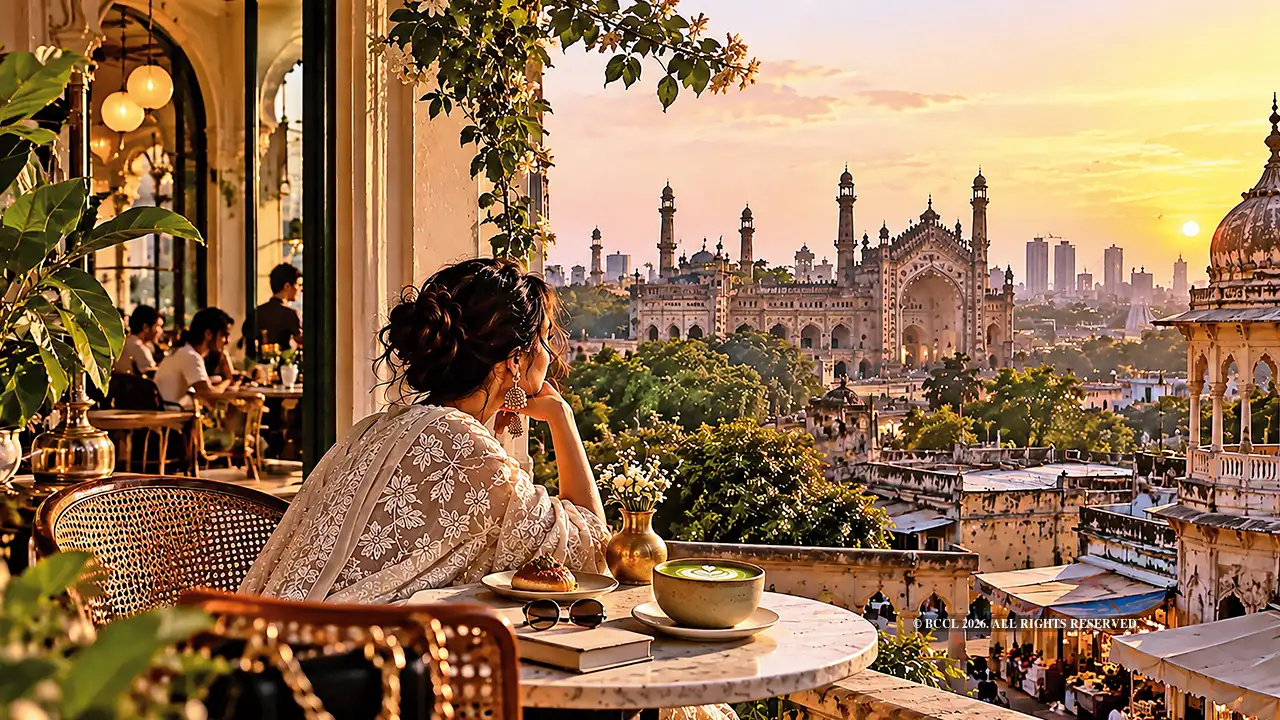
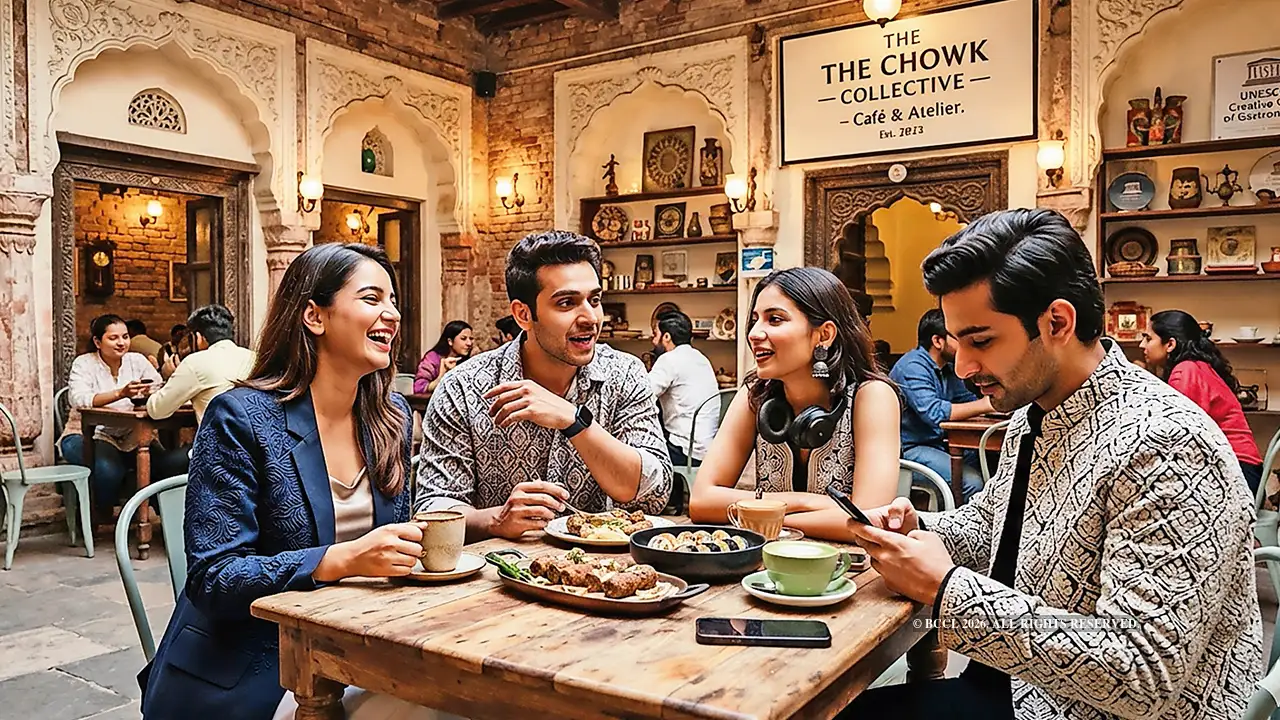
Gomti Nagar symbolises its modern energy, while Hazratganj and Aminabad retain their own polished charm. Young Lucknowites are not choosing between tradition and modernity. They wear chikankari with sneakers, turn family businesses into contemporary brands, create reels at heritage sites and return after studying or working elsewhere to build something new. For them, heritage is a mood board, a design language and a business idea. Its secret is not preservation alone, but adaptation with attitude. Lakshmanouri belongs to its sacred imagination, the Nawabi era to its cultural memory, and the new Lucknow to its entrepreneurial present. A city’s soul lives in the details, the courtesy of a greeting, the patience of an artisan, the generosity of a shared meal and the confidence of a young person doing something new with an old idea. Lucknow can move from Lakshman Tila to the latest café, from imambaras to Instagram, from royal kitchens to cloud kitchens, and still feel completely itself. Same tehzeeb. New energy. Endless charm. That is Lucknow’s real flex!
Today, Lucknow is also a city of universities, hospitals, start-ups, restaurants, fashion labels, media studios, malls, cafés and young professionals.
You Can Also Check: Gold Rate in Lucknow | Silver Rate in Lucknow | Bank Holidays in Lucknow | Public Holidays in Lucknow | Lucknow AQI | Weather in Lucknow | Petrol Price in Lucknow | Diesel Price in Lucknow | CNG Price in Lucknow | LPG Price in Lucknow Stay updated with the latest Lucknow news. Download the TOI App.