
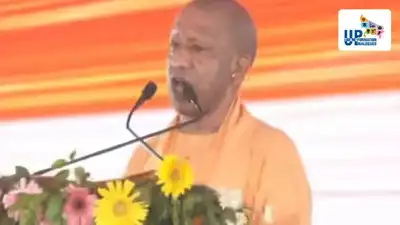
UP launches handloom scheme offering 80% subsidy on solar-powered looms, cheaper yarn, easier credit and wider market access for weavers
- 5. The proposed 150 clusters can also encourage collective production, common facilities and stronger market linkages.
In yet another welfare scheme, yogi government has launched The Mukhyamantri Hathkargha Bunakar Samriddhi Yojana which aimed at modernising the state’s traditional handloom sector, reducing production costs and increasing the incomes of weavers. You Can Also Check: Gold Rate in Lucknow | Silver Rate in Lucknow | Bank Holidays in Lucknow | Public Holidays in Lucknow | Lucknow AQI | Weather in Lucknow | Petrol Price in Lucknow | Diesel Price in Lucknow | CNG Price in Lucknow | LPG Price in Lucknow Stay updated with the latest Lucknow news. The scheme seeks to combine the strength of Uttar Pradesh’s centuries-old weaving traditions with modern technology, organised production and access to national and international markets. A major objective is to reduce dependence on intermediaries. Weavers will be facilitated in selling their products through e-commerce platforms such as Amazon and Flipkart, as well as the government’s Government e-Marketplace (GeM). Direct market access can enable artisans to reach a much larger customer base and receive payments directly into their bank accounts. Easier and affordable credit The scheme provides for low-interest credit facilities and easier loans to help weavers purchase equipment, expand production and strengthen their businesses. The availability of credit without the traditional difficulties associated with collateral and bank approvals is intended to encourage small weavers to invest in modernisation. Modern skills and training Training is another important component. Weavers and younger members of weaving families can receive training in computer-based weaving, contemporary designs, packaging, branding and shipping. This is intended to help traditional products adapt to changing consumer preferences and compete in wider markets. The scheme primarily targets professional handloom weavers residing in Uttar Pradesh. Eligible weavers can apply through the Uttar Pradesh Directorate of Handloom and Textiles. Applications may also be facilitated offline through District Industry Centres (DICs), regional handloom offices and special registration camps organised in major weaving centres. Districts with prominent weaving communities, including Varanasi, Mau and Azamgarh, are particularly important to the handloom ecosystem and may host registration or awareness activities. The significance of the Mukhyamantri Hathkargha Bunakar Samriddhi Yojana goes beyond providing subsidies. Uttar Pradesh has a large and diverse handloom tradition, with weaving communities producing products ranging from Banarasi textiles to traditional fabrics and regional designs. The scheme attempts to address some of the sector’s longstanding challenges—expensive inputs, outdated equipment, power-related disruptions, limited access to finance, dependence on intermediaries and inadequate access to modern markets. By combining technology, affordable raw materials, finance, skill development and digital marketing, the government is seeking to create a more competitive handloom ecosystem. Ultimately, the objective is to ensure that traditional weaving becomes not merely a means of preserving Uttar Pradesh’s cultural heritage but also a viable and sustainable source of livelihood for a new generation of weavers. Download the TOI App.
- 80 percent subsidy on solar-powered looms To address frequent power interruptions and high electricity costs, eligible weavers can receive an 80 percent subsidy for solar-powered looms. This can help ensure uninterrupted production while reducing dependence on conventional electricity.
- Yarn Banks for affordable raw material Yarn Banks are intended to make thread and other essential raw materials available to weavers at reasonable prices. By reducing the cost of inputs, the initiative aims to lower production expenses by around 20–30 percent , improving the profitability of weaving enterprises.
- Direct access to markets
Under the initiative, the government plans to develop 150 handloom clusters over five years, with more than 50,000 weavers expected to benefit. The focus is not only on providing financial assistance but also on improving the entire handloom value chain—from raw material and production to design, marketing and sales. Applicants are expected to provide documents such as: Aadhaar card Weaver identity card Bank passbook copy Income certificate Passport-size photograph The precise eligibility conditions and documentation requirements should be verified with the handloom and textiles department before applying, as administrative guidelines can change.