
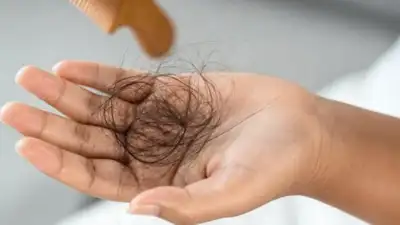
(Image Credits: Pinterest)
Understanding the hair loss difference
Losing around 50–100 hairs a day is generally normal. Besides, it may happen due to the lack of some nutrients, medications, or changes in hormone levels. (Image Credits: Pinterest) In this condition, hair loses its growth actively and enters the resting stage and falls out.
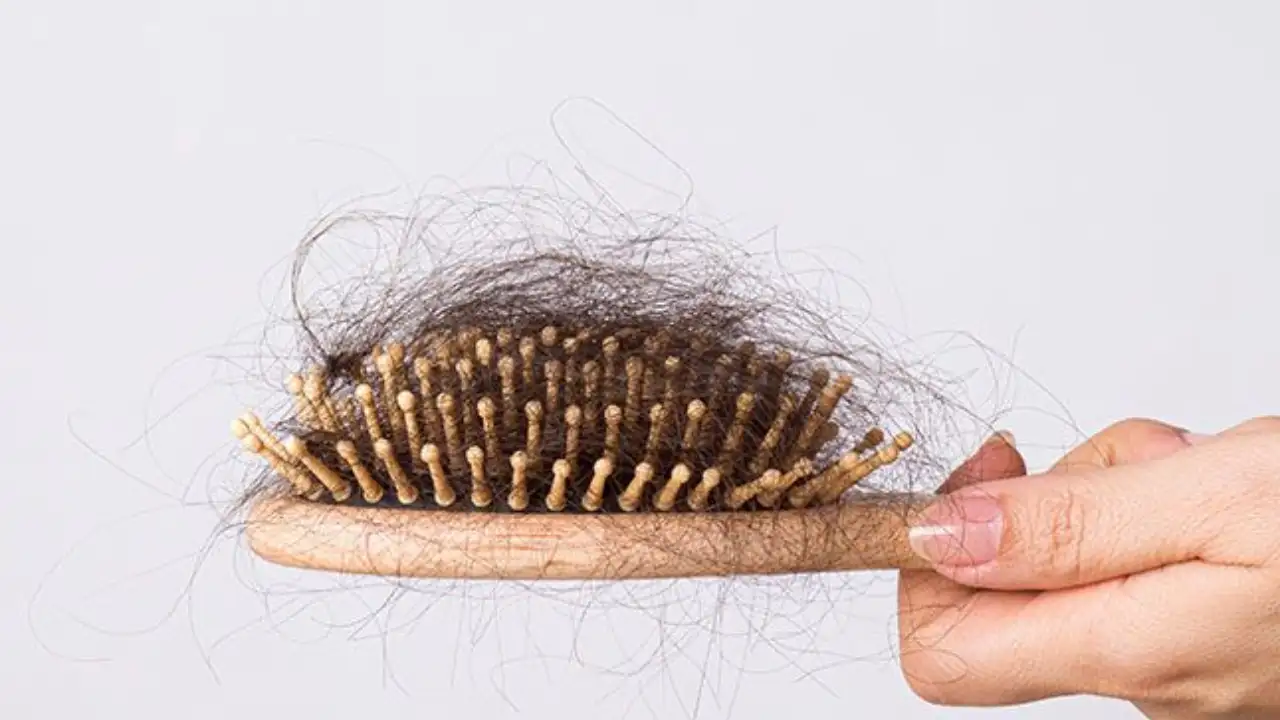
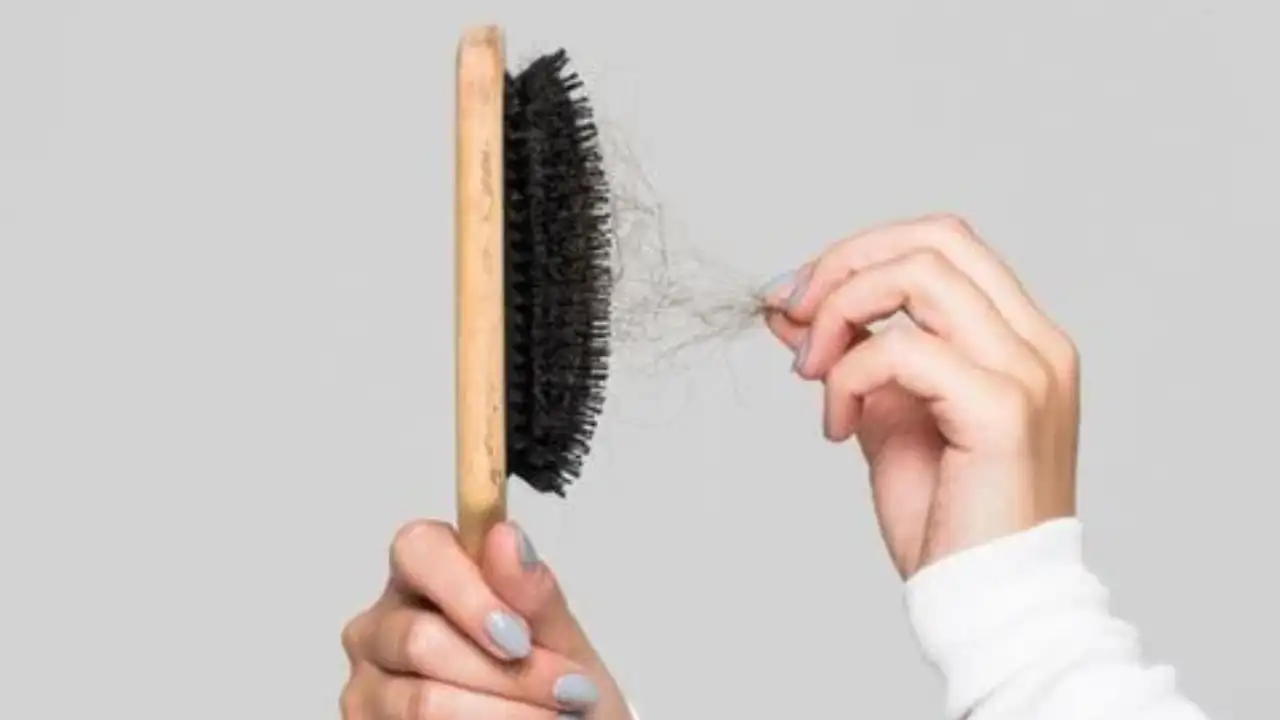
A dermatologist can use a dermoscope for examining your scalp, and according to your symptoms, may also advise you to take some blood tests to see if you have anemia or problems with thyroid functioning. (Image Credits: Pinterest) Finding hair on your pillow, comb, or in the shower can be worrying. Many people start using different oils, shampoos, or supplements when they notice hair fall. But hair falling out does not always mean permanent hair loss. There is a difference between normal hair shedding and hair loss. Hair shedding is a normal part of the hair growth cycle. Hair grows, rests, and eventually falls out. You may notice more hair in the shower if you wash your hair after a few days, as loose strands build up over time. Nevertheless, in case you experience a great deal of hair loss for some weeks or your hair has started to look like you are thinning out, it will be wise to learn about the causes. One of the main concerns can be the existence of telogen effluvium. It can occur several months after some stressful situations, high fever, sickness, surgery, childbirth, or sudden weight loss. The wonderful thing is that this type of hair loss is temporary. Once the cause of telogen effluvium disappears, hair grows back, but the process takes time. Unlike baldness, hair loss is a process, leading to a gradual thinning of hair. One of the most common causes of hair loss in men and women is androgenetic alopecia (also called pattern baldness). In men, symptoms may be a receding hairline or thinning on the crown. In women, the changes might show up as parting of hair becoming wider or hair on the top of the head becoming thinner. Some other conditions may cause hair loss as well. For example, alopecia areata causes hair loss in patches. The other scalp conditions might destroy the hair roots and lead to irreversible hair loss if not treated timely. Tight hairstyles may lead to hair roots being pulled out, while frequent application of heat and cosmetic procedures might damage hair. Patterns can provide indications about hair loss. In case considerable hair is shed by the entire scalp post an event or trauma, it might be the telogen effluvium condition. Gradually growing thinner or receding hairline might be symptomatic of pattern baldness. Moreover, broken hair strands may indicate damage to the hair. Nonetheless, seeing hair in the shower is not the whole story. Hair length, washing frequency, and hair thickness are important factors. If hair loss persists for multiple weeks, if you begin to notice thinning of your hair, or if some patches of hair loss develop on your scalp, consider going to a dermatologist’s office. In addition to seeing a dermatologist, you should have your scalp examined if it itches or becomes red, scaly, or painful.
For better understanding, we approached Dr. Shilpa Patil, Consultant Dermatologist and Cosmetologist, Director of Ethoski Cosmetology Clinic, Pune, who explained, “Treatment depends on the cause. Treating a nutritional deficiency or an underlying health problem may help reduce hair shedding. Pattern hair loss may require specific medical treatment. Avoid taking supplements without knowing whether you have a deficiency. Using several hair-growth products without proper advice may also delay the right treatment. Hair fall does not always mean permanent hair loss. Sometimes, it is part of the normal growth cycle. But if your hair keeps thinning or shedding continues, it should not be ignored. Instead of counting every strand, notice whether your hair is becoming thinner, where you are losing hair, and how long the problem has lasted. If you are concerned, getting your scalp checked early can help you understand the cause and find the right treatment. You use AI every day. Now get your AI Quotient. Take the AIQ test Get the latest Lifestyle News and more. Download the TOI app.