(Image Credits: Pinterest)
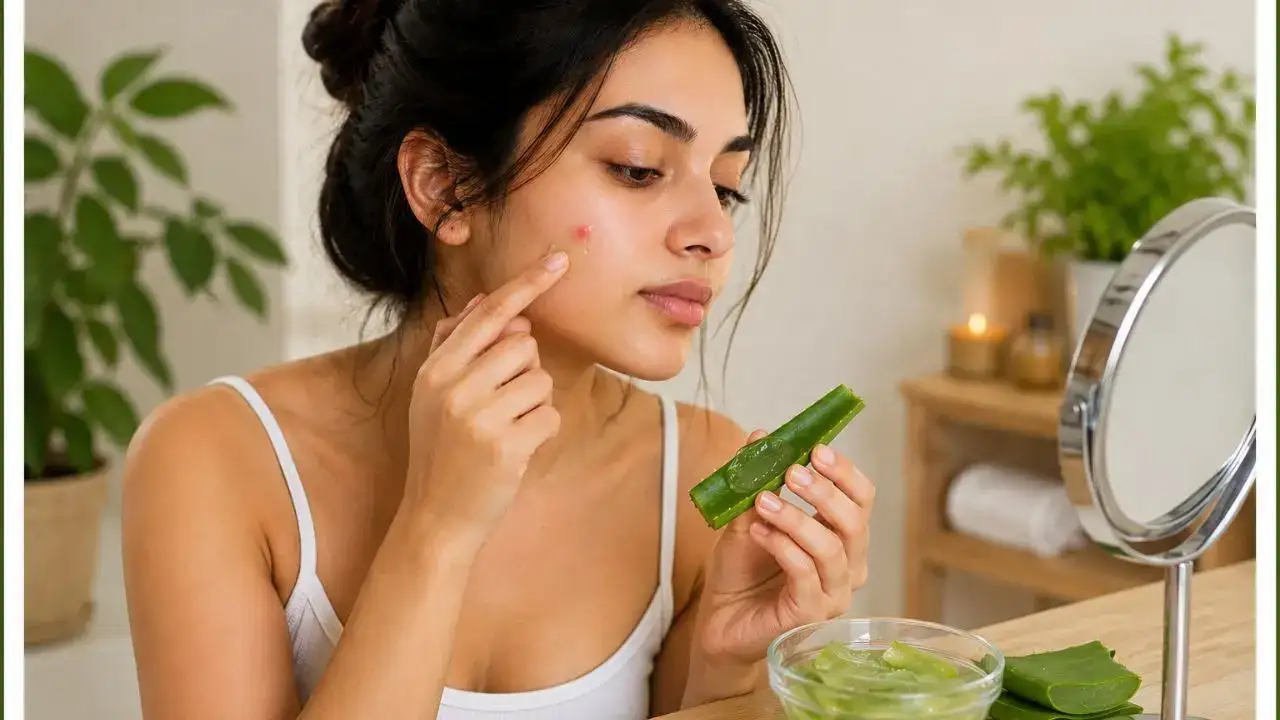
“Acne is often linked to adolescence however, it is possible that breakouts still occur in the 30s and 40s, even in case of the absence of other skin conditions,” says Dr Shifa Yadav, Consultant, Dermatology, Artemis Hospital, Gurugram. Elevated stress results in the secretion of hormones by the body, including cortisol which causes increased oil production and worsens inflammation,” says Dr Yadav. You thought you were done with acne years ago. Then, one morning, you spot a painful pimple on your chin. A few days later, there’s another one near your jawline. You haven’t changed much in your routine, so what is going on? For many people, breakouts don’t stop after their teenage years. Some have dealt with acne for a long time, while others get their first bout of it in their 30s or 40s. It can be particularly annoying when your skin has been clear for years and you suddenly find yourself trying to figure out which product might help. The reasons aren’t always obvious. Hormonal changes, stress, certain foods and even the makeup you use can play a part. And washing your face more often isn’t necessarily going to fix it. Acne develops when hair follicles become clogged with oil and dead skin cells. This can lead to pimples, inflammation and, in some cases, painful bumps beneath the skin. But why does it happen long after puberty? If you keep getting pimples around your chin and jawline, hormones are one possible explanation. In women, hormonal changes during the menstrual cycle, pregnancy and perimenopause can affect oil production. PCOS, or polycystic ovary syndrome, can also be associated with acne. Dr Priyanka Hemrajani, Senior Consultant, Dermatology, Marengo Asia Hospitals, Gurugram, points to insulin resistance as another factor that may contribute to breakouts in some people. When the body doesn’t respond to insulin properly, it can affect hormone activity and processes linked to oil production. This doesn’t mean every breakout is a sign of a hormonal problem. But if acne keeps coming back, particularly if you have other symptoms, it may be worth getting it checked rather than continuing to switch skincare products. You have deadlines piling up, you’re sleeping badly and there’s barely any time to yourself. Then a breakout appears just when you least need it. Stress can affect the skin by triggering the release of hormones, including cortisol. This may increase oil production and worsen inflammation. Poor sleep can make matters worse by affecting the body’s ability to manage stress. “Stress can influence the condition of the skin. Dr Hemrajani also identifies stress as a possible contributor to adult acne.
Because you’ve developed acne, but don’t rush to cut out milk, cheese or your post-workout shake just.
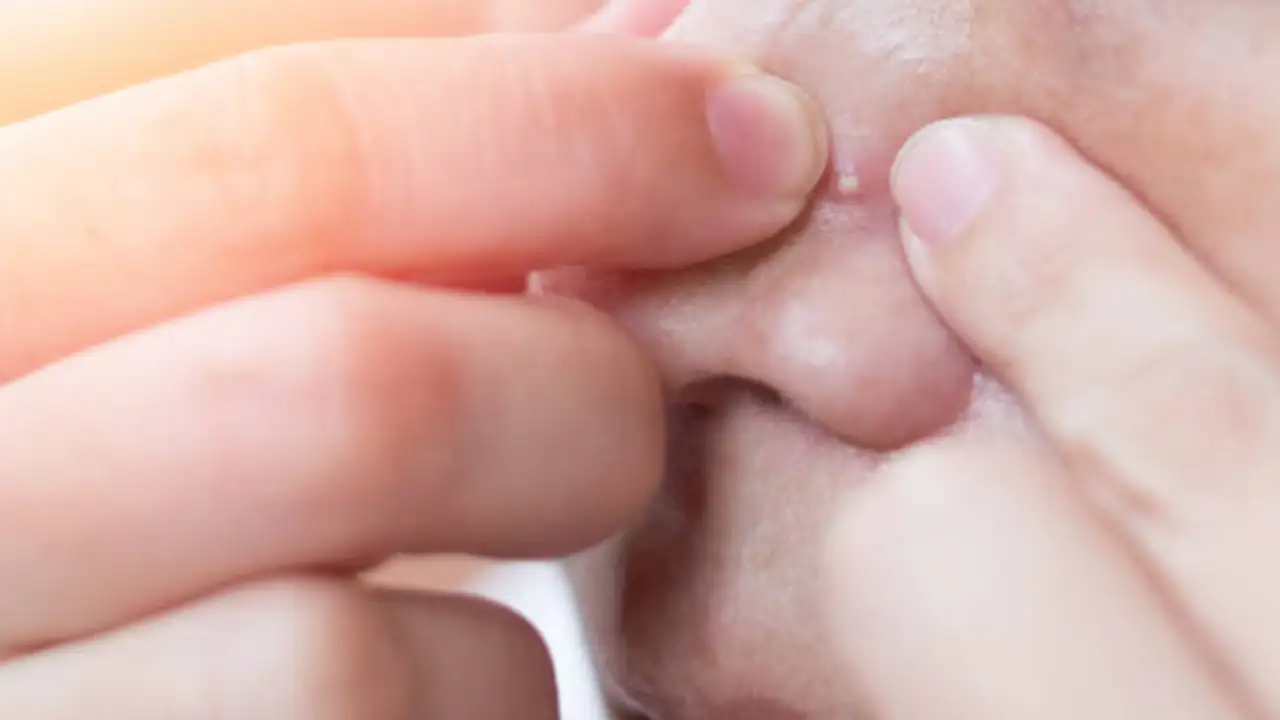
Scrubbing the face or using harsh cleansers can irritate the skin and make breakouts worse,” says Dr Yadav. Food triggers vary, and avoiding an entire food group may not make a difference. If you suspect a link, speak to a dermatologist or qualified dietitian before making major changes to your diet. Sometimes, the products you use to cover up a breakout may be contributing to it. Heavy makeup and certain skincare formulations can clog pores, especially if they don’t suit your skin or aren’t removed properly. This can lead to a type of acne known as acne cosmetica. Pollution may also aggravate the skin. Dr Hemrajani notes that exposure to particulate matter and environmental irritants can contribute to inflammation, particularly when the skin’s protective barrier is already weakened. Think about when your breakouts began. Had you started using a new foundation or moisturiser? Were you trying several new products at once? These details may help you identify a possible trigger. Look for products labelled non-comedogenic, which are less likely to clog pores, and remove makeup gently before bed. You don’t need to scrub your face harder or use more products to get rid of acne. In fact, too much exfoliation can leave your skin irritated. It’s easy to assume that a breakout means your skin needs a more thorough cleanse. So you scrub a little harder, use a stronger face wash or apply another spot treatment. But that can leave your skin worse off. “Adult acne is not a sign of poor hygiene. Keep your routine simple. A gentle cleanser, a non-comedogenic moisturiser and sunscreen during the day are a sensible starting point. Try not to squeeze or pick at pimples, either, as this can leave marks and scars.
Of course, you can’t always avoid stressful days, and not everyone will break out when they’re tired or anxious. But if you notice a pattern, it’s worth looking at your sleep and daily routine along with your skincare. That pastry you had with your coffee isn’t automatically responsible for the pimple that appeared the next morning. Still, certain eating habits may make acne worse for some people. Foods high in added sugar and refined carbohydrates, such as pastries, white bread and sugary drinks, can cause blood sugar levels to rise quickly. This may affect processes involved in oil production and inflammation. Dairy products and whey protein supplements are also worth considering if you’ve noticed repeated breakouts. Dr Hemrajani identifies these as possible triggers for some people, particularly in relation to whey protein, which is commonly used by those who work out. AI image generated And if your current routine includes several acne treatments, don’t keep adding more in the hope that one of them will work. Persistent breakouts may need a different approach altogether. An occasional pimple may clear up on its own. But if you’re dealing with painful bumps, frequent breakouts or acne that leaves scars, don’t put off getting help. Dr Yadav recommends consulting a dermatologist if acne becomes painful, severe or persistent. It’s particularly important to seek medical advice if you also have irregular periods or excessive facial hair, as these symptoms may point to an underlying hormonal issue. A dermatologist can assess your skin, look at possible triggers and recommend treatment based on what’s causing the problem. Depending on the severity, this may include prescription creams or medication. The frustrating part is that adult acne doesn’t have one explanation. Your hormones may be involved, stress could be making things worse, or a product you’ve used for months may no longer suit your skin. Sometimes, several factors overlap. If your skin has suddenly changed, resist the urge to buy every acne product you come across. Start by looking at what’s changed, and get professional advice if the breakouts aren’t settling. You don’t have to figure it all out on your own. You use AI every day. Now get your AI Quotient. Take the AIQ test Get the latest Lifestyle News and more. Download the TOI app.