Just pick the right skin oil that can be a great addition to your winter skincare kit, as they hydrate and nourish skin, restoring lost winter radiance. Cool weather can work wonders for your wardrobe but they can also be harsh on your skin. As temperature and humidity drop, skin tends to lose moisture more easily, leading to dryness or tightness. But you don’t have to stock up on dozens of difficult beauty products to keep your skin looking its best.
If you are susceptible to clogged pores or acne, perhaps a light moisturiser without comedogenic properties may be a more suitable option. (Image Credits: Pinterest) Due to the presence of fatty acids and antioxidant substances, rosehip oil is widely utilised in facial skincare.
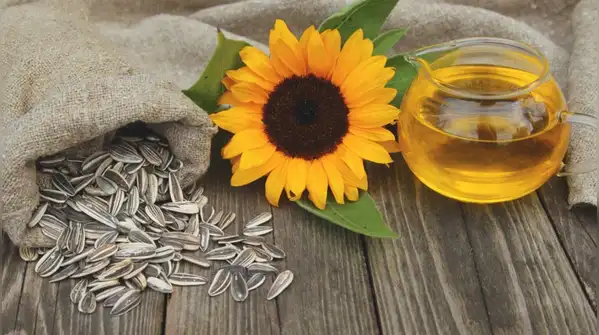
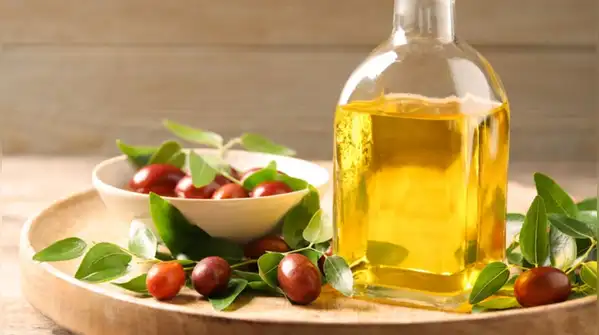
Jojoba oil is one of the ingredients to look for in products created for dry skin, according to the American Academy of Dermatology. Jojoba oil is technically classified as a liquid wax, which distinguishes it from conventional plant oils rich in triglycerides. Its unique composition makes it especially useful in skin care. This oil can help soften dry skin without the heavy feel associated with rich oils. It is best suited for dry and combination skin. Sunflower seed oil’s unique properties come from its high concentration of linoleic acid, an important fatty acid known to aid in skin barrier function. Sunflower oil applied to the skin helps recover the skin barrier by reducing transepidermal water loss in both laboratory and clinical studies. This is why sunflower seed oil is an excellent ingredient to seek after the winter months when your skin starts feeling dehydrated and stressed. It is perfect for dry skin and compromised skin barrier conditions. Coconut oil has been a traditional skin emollient for years, and research supports its moisturising ability. Studies have indicated that coconut oil used on the skin can improve skin hydration. Its richer consistency appeals to many during winter when dryness may affect the body, hands, elbows, knees, and feet. However, applying coconut oil to the face is not as easy for different skin conditions. Rosehip oil is a perfect antioxidant and anti-inflammatory agent known for its potential skin-repairing properties. However, this is the point where statements from beauty companies need verification. Labelling rosehip oil as ‘natural retinol’ or declaring that it can eliminate wrinkles is an exaggeration. In winter beauty regimens, rosehip oil can play a more credible role as an emollient oil that is beneficial for moisturising skin. Argan oil is also a plant-based emollient used in beauty products. This plant oil is the perfect ingredient in products aimed at cosmetics and skin conditioning. The benefit of using an oil in winter is practical. An oil can act as an emollient, allowing rough and dry skin to feel softer. Instead of considering argan oil a wonder ingredient, consider treating it as a finishing touch to your moisturising routine.