
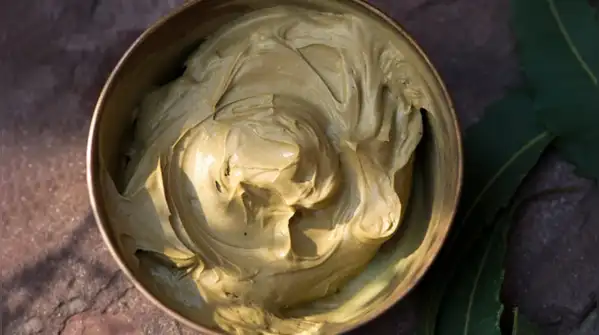
Before hair serums, scalp serums, hair-strengthening products, and hair-growth tonics were introduced, there were Indian beauty rituals with a botanical edge. Various types of hibiscus, jasmine, rose, and herbs were often used as ingredients for homemade products such as hair oils, masks, scalp treatments, etc. The winter weather brings new hair care problems, such as dryness, frizzy hair, and hair loss. That’s why the ancient ingredients should be rediscovered. There are many flowering plants used in Ayurveda and Indian beauty traditions known to help keep your scalp and hair healthy. However, do these plants truly help the hair to grow?
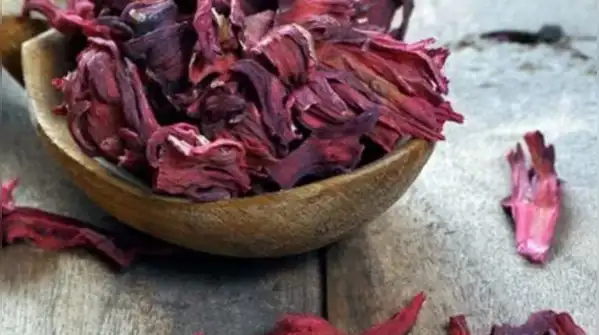
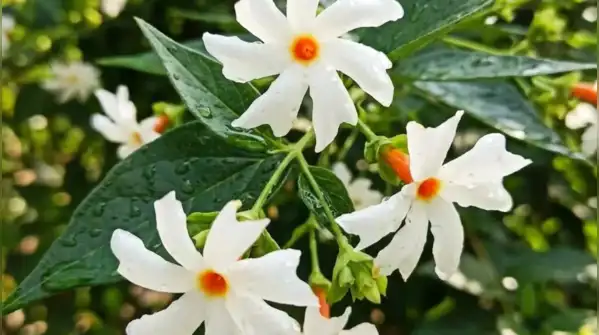
The use of rose petals in Indian beauty practices cannot be overstated since this flower forms an integral part of many market items, such as rosewater, cosmetics, perfumes, and homemade beauty concoctions. Roses, particularly damask roses, are special for their aroma and phenolic chemicals. Regarding products based on roses, it is worth noting that rose treatments are more closely related to cosmetic purposes rather than stimulating hair growth. The popularity of these products is determined not by their ability to promote hair growth but by the sensation such products create. Roses can be included in carrier oils and hair-care goods, but rose water should not be confused with any preparations promoting growth. Very few flowers have a connection with Indian beauty rituals, like jasmine. Mogra, or Jasminum sambac, has been used traditionally for hairstyling, high-quality oils, and many regional beauty products. Its scent contributes to its popularity in different oils and cosmetic formulations. Jasmine, being aromatic, plays a vital role in classic hair care. Ingredients derived from jasmine are widely used in cosmetics and perfumery, but there is no evidence that they directly promote hair growth. It is also essential to differentiate between jasmine flower extracts and jasmine essential oils. Undiluted pure essential oils can provoke disturbances in delicate skin. Jasmine-spiked oils can also be used as fragrant oils in the oiling process. However, their cosmetic efficacy should not be considered a determinant of hair thickness or loss. The discussion on traditional Indian hair care is incomplete without mentioning bhringraj, which is scientifically called Eclipta prostrata. Regarded as the herbal king of oils for hair in traditional Ayurvedic beauty discourse, Bhringraj has been a part of herbal oils and scalp products. Though it produces white miniature flowers, traditional hair treatment does not use its flowers but its leaves or extracts from other parts of the plant. Bhringraj is used regularly in Ayurvedic hair oils and herbal scalp formulations, often with other herbs present.