Image: AI
Imagine a woman returning from a bookstore with four new books, even though the last three she bought are still lying unopened beside her bed. One promises to teach her a language. Another explores a country she has always wanted to visit. A third offers the secrets of a life she hopes to build someday. The fourth is simply a novel whose first page she has been meaning to reach for weeks. She arranges the books on her shelf, admires their covers and feels a small sense of satisfaction. For a moment, the possibilities they represent seem close enough to touch. Yet none of them has been read. Why does buying a book sometimes feel so rewarding when the experience it promises has not even begun? The answer may have less to do with reading than with anticipation. An unread book can represent a future version of yourself: more knowledgeable, more adventurous, more disciplined or finally able to pursue an interest that everyday responsibilities keep postponing.
Why buying the book can feel satisfying before reading it
A study of 613 heavy book users, published in the journal Psychology of Popular Media Culture, examined how book ownership and use can serve symbolic and social purposes. A person buying a book about painting may be imagining the artist they want to become. Someone choosing a history collection may be reaching towards a subject they have always wanted to understand. The purchase turns an abstract ambition into something tangible, even if the time to pursue it remains elusive. The important distinction is that wanting to read something and actually finding the time to read it are two different things. In an article, Michelle Spear, a professor of anatomy at the University of Bristol, examined why people keep buying books they do not immediately read. The article, originally published in The Conversation, discusses how anticipation can itself be rewarding. Consider the experience of discovering an unexpected title in a bookstore. You browse the shelves, read a few lines, imagine what you might learn and picture yourself settling down with it. By the time you reach the counter, the book has already offered an enjoyable experience: discovery, curiosity and the promise of something new. Reading may eventually provide the deeper reward, but the purchase allows you to bring that possibility home immediately. This also helps explain why an unread book can feel different from an unfinished work assignment. One may represent an obligation; the other can still feel like an opportunity waiting to be explored. Look closely at an overflowing bookshelf and a pattern may emerge. Perhaps the same subject appears repeatedly. Perhaps several books promise a career change, a creative skill or a better understanding of the world. That collection might reveal interests a person has not yet made room for in everyday life. It can serve as a reminder of ambitions that remain important, even when they have not translated into action. The phenomenon is familiar to many readers, and an unread collection does not automatically indicate poor discipline or a lack of genuine interest. Books can also become part of how people express their identities. Possessing books, in other words, can mean more than having material available to read. Still, a shelf cannot tell the whole story. Some books are bought as gifts, collected for their design, kept for reference or purchased during periods when reading time is scarce. There is a less comfortable side to the habit. The same books that once represented exciting possibilities can eventually become reminders of everything left undone. A reader may begin to feel guilty about unfinished novels, abandoned interests or the growing distance between the person they hoped to become and their current routine. What began as pleasure can turn into another measure of productivity. The answer is not necessarily to stop buying books or impose a strict reading target. It may be more useful to ask what repeatedly attracts you to certain titles. Is there a subject you genuinely want to explore? A skill you keep postponing? Or do you simply enjoy discovering books, even when you never intend to read every one? Perhaps the most revealing question is not why the books remain unopened, but why you keep choosing them. An unread book cannot guarantee a new life, a new skill or a new identity. But it can preserve a possibility. And sometimes, understanding that possibility is the first step towards deciding whether you want to pursue it or are simply happy knowing it is there. You use AI every day. Now get your AI Quotient. Take the AIQ test Get the latest Lifestyle News and more. Download the TOI app.
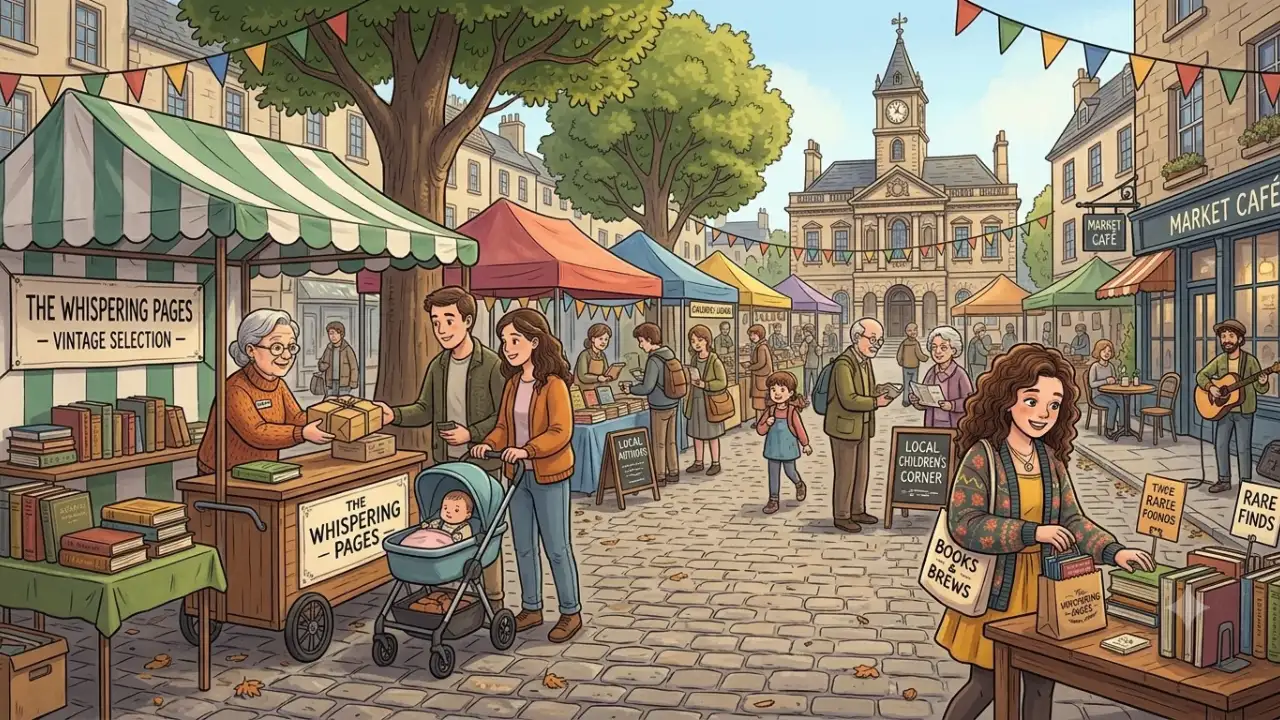
Image: AI The pleasure may begin long before the first page. Research published in Psychology Today has also discussed the concept of tsundoku, a Japanese term commonly used for acquiring books and allowing them to accumulate unread.