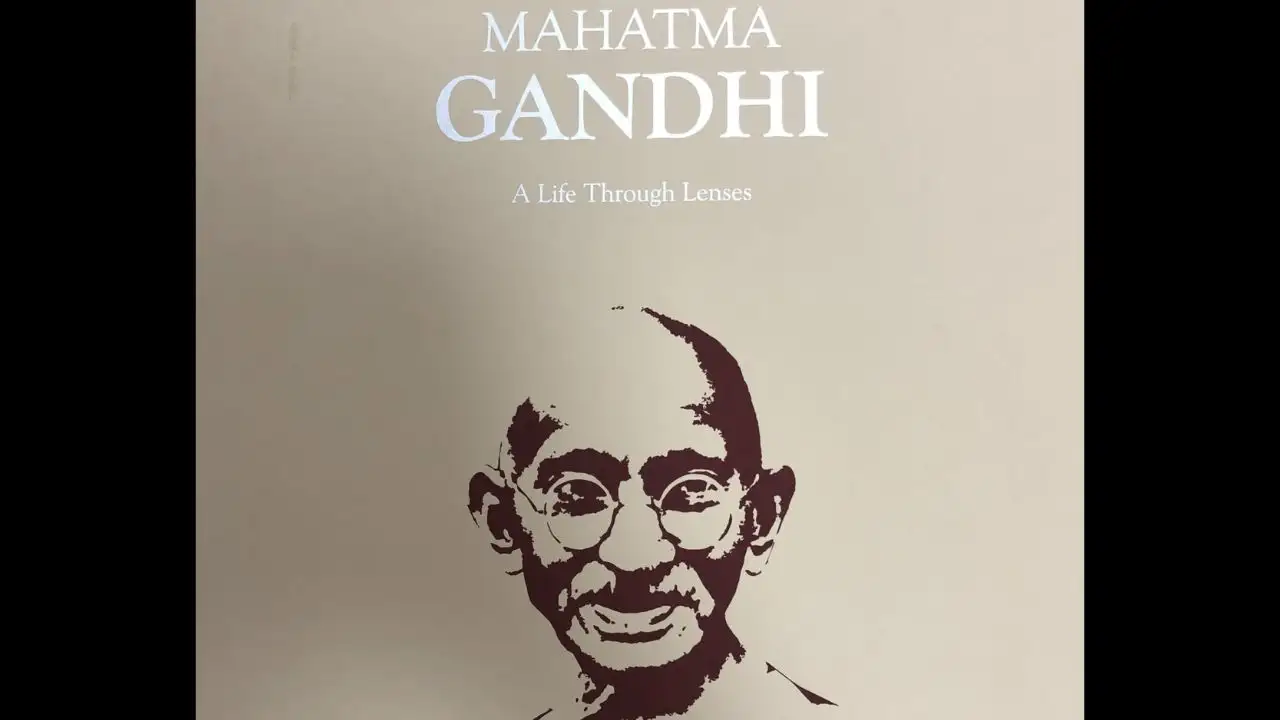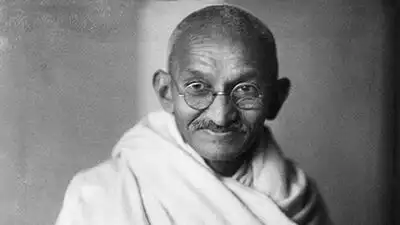
The collection of 688 handwritten thoughts, written by Gandhi for freedom fighter and close associate Anand T. Hingorani, was sold for Rs 16.2 crore (around $1.7 million) at a Saffronart auction on August 19, 2026. The sale has been reported as a world auction record for an Indian historical document.
A collection of handwritten reflections by Mahatma Gandhi , written during one of his close associates’ most difficult periods, has made history at an auction in Mumbai. But beyond the record-breaking price is a much more personal story. These were not simply political writings or public speeches. They were intimate reflections written by Gandhi for a man who was dealing with grief.
The collection, titled “A Thought for the Day: Gandhi’s 688 Autograph Reflections for Anand T. Hingorani, 1944–1946,” was the highlight of Saffronart’s auction, Gandhi: From the Collection of Anand T Hingorani. The auction was held on August 18 and 19 and featured 86 lots of letters, manuscripts, photographs, and personal objects connected to Gandhi and the Hingorani family. The 688 reflections form a near-continuous series of handwritten messages dated between November 20, 1944, and October 10, 1946, according to Saffronart’s catalogue.
Gandhi wrote them in Hindi, with many also recording the place where they were written. The messages touched on subjects that remained central to Gandhi’s philosophy, including truth, non-violence, patience, self-restraint, faith, and the way a person should respond to suffering. The story behind the writings makes the collection even more significant. Gandhi began writing the daily thoughts for Anand T. Hingorani after the death of Hingorani’s wife, Vidya. For roughly two years, Gandhi sent him words of guidance, comfort, and encouragement during a period of grief. The messages were eventually compiled into the book A Thought for the Day. The work was not simply a collection of Gandhi’s famous public ideas. It offered a glimpse into how he communicated with someone close to him when that person was going through personal pain. That is what makes the collection particularly unusual: it allows Gandhi to be seen not only as a political leader but also as someone offering quiet advice to a grieving friend.
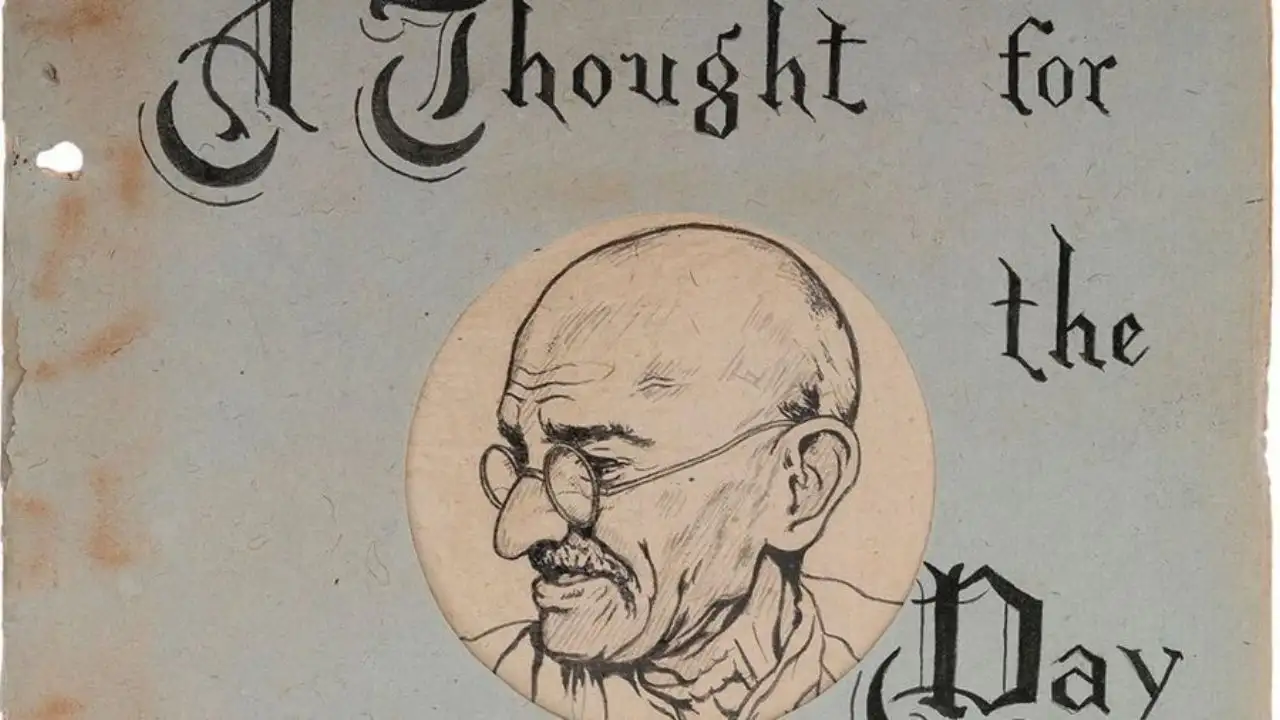
The Rs 16.2-crore sale is undoubtedly remarkable for its financial value. These 688 pages capture Gandhi writing not to a crowd, a government, or an audience, but to one grieving individual.
Dinesh Vazirani, co-founder of Saffronart, said the collection gives people the opportunity to see Gandhi “through the lens of a close, personal relationship. Saffronart did not initially disclose the identity of the buyer, but reports following the sale said the collection would remain in India. Gandhi is remembered around the world for leading India’s non-violent struggle against British rule. His public life was shaped by ideas of truth, nonviolence, and self-discipline. But the handwritten notes reveal how those principles appeared in everyday conversations. One entry, preserved in Gandhi’s collected writings, reflects on patience and truth, while others explore happiness, suffering, faith, and non-attachment. The original thoughts were written in Hindi and later translated by Hingorani. The auction house described the reflections as an important record of Gandhi’s thought and practice. The handwritten reflections were part of a much larger archive preserved by the Hingorani family over generations. Other highlights included Gandhi’s Peti Charkha, accompanied by letters about the spiritual discipline of spinning; his rosary, prayer pouches, and letters of blessing; a pocket watch personally gifted by Gandhi to Hingorani; and letters connected to the Hingorani family. One particularly notable lot contained correspondence relating to Gandhi’s advice to Anand and Vidya Hingorani on marriage, parental opposition, financial independence, and family responsibilities. Together, these objects provide a more intimate picture of Gandhi’s relationships and everyday life. The decision means these rare pieces of India’s history will continue to be preserved within the country. But the real importance of the collection lies elsewhere. They show how the principles associated with one of India’s most influential leaders were expressed in moments of personal sorrow, friendship, and reflection. More than eight decades later, those private words have returned to the spotlight and have become one of the most valuable Indian historical documents ever sold at auction. Looking for trusted parenting advice? Follow TOI Parenting Circle on Instagram for expert guidance, relatable stories, and practical tips delivered every day.