(Image Credits: Instagram)
In an exclusive interview with Indian designer Mayyur Girotra, he explains that to start working with regional craft, one must first understand its nature and then adapt it. (Image Credits: Instagram) Question 1: A partnership has been formed that includes Kanchivaram, Patan Patola, Banarasi, Ikat, Bandhani, Kalamkari, and Pochampally. Question 2: What is the creative process when a modern designer handles a traditional textile? Heritage gives you the vocabulary; as a designer, you find a new way of continuing the conversation. (Image Credits: Instagram) Question 3: How did the process move from selecting textile materials to working with artisans to modify the embroidery and produce the final pieces? Question 4: Has there been a certain fabric or craft from the collection that has been particularly difficult to reinterpret, and why? Question 5: How can designers make heritage textiles exciting to younger consumers who may not necessarily have an emotional connection with traditional Indian weaves? If design can become the first touchpoint through which someone discovers a craft, then heritage stops feeling like something they have inherited and starts becoming something they have chosen. (Image Credits: Instagram) Question 6: Has working closely with these different regional textiles changed the way you think about your own design language?
Because we tell them it is important, mayyur Girotra: I don’t think we can expect a younger generation to connect with craft simply. Because textiles, craft, and working with different craft clusters have always been at the heart of my work, mayyur Girotra: I wouldn’t say it has changed my design language,.
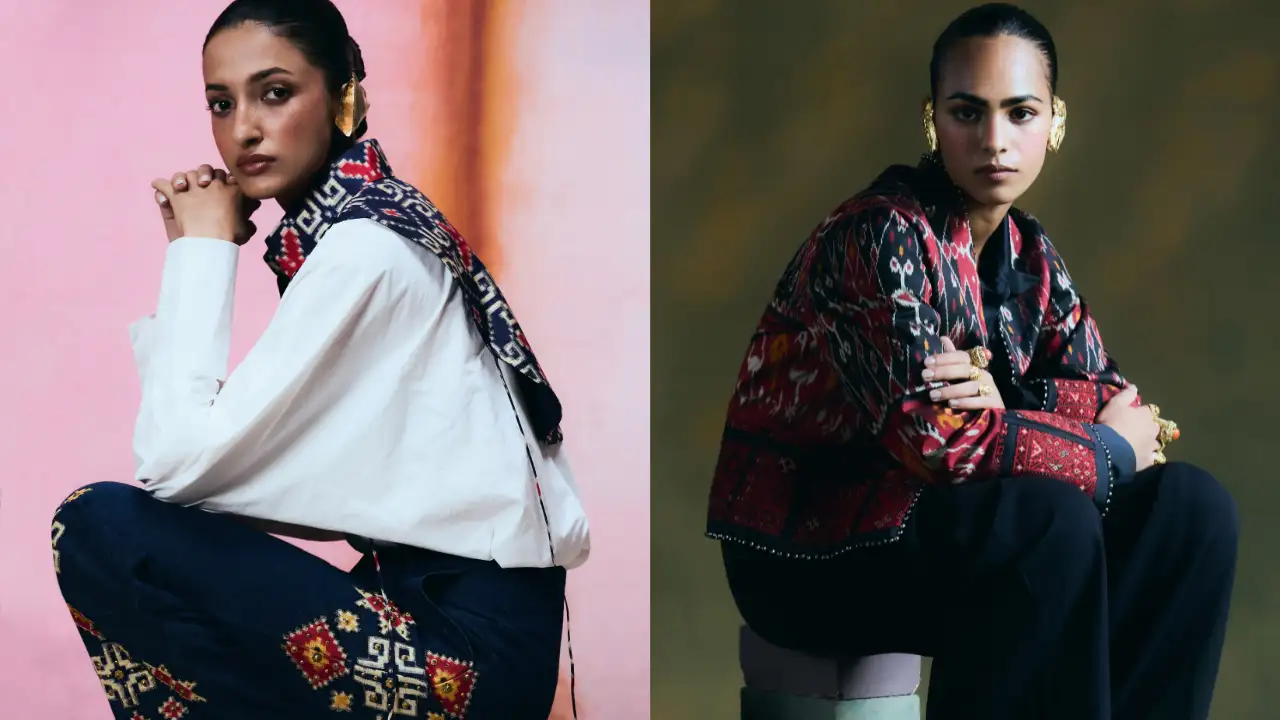
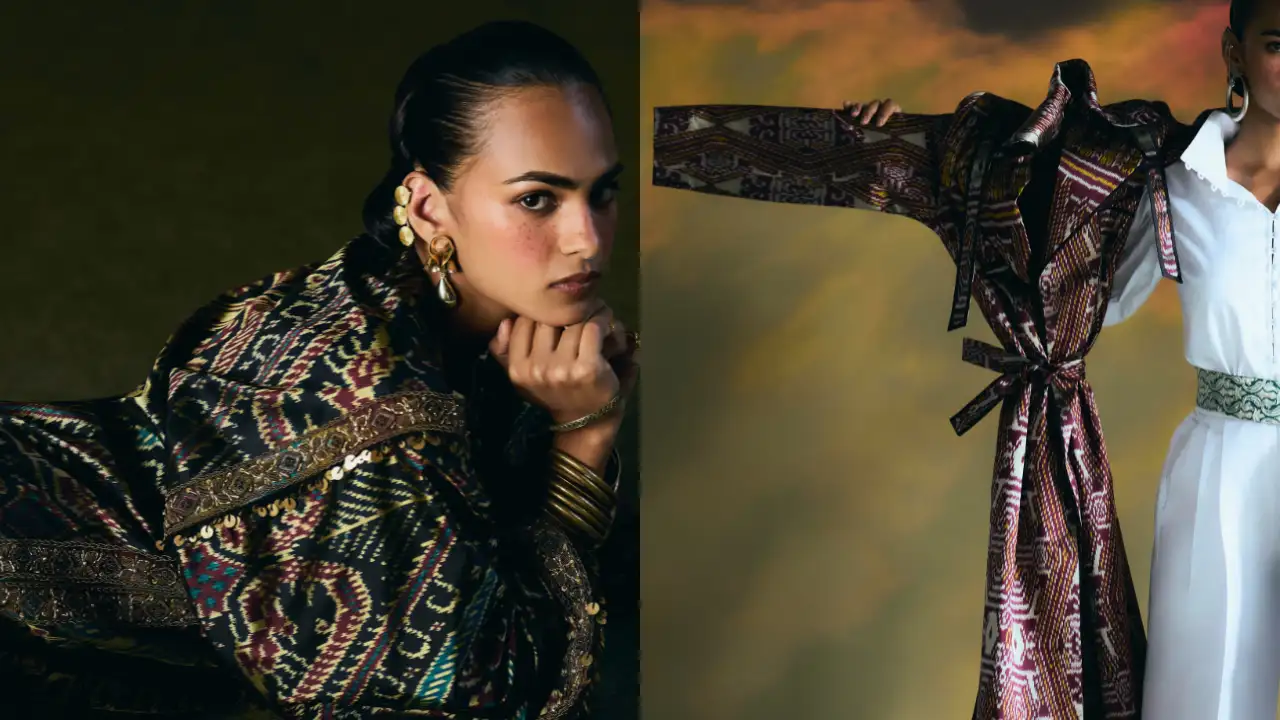
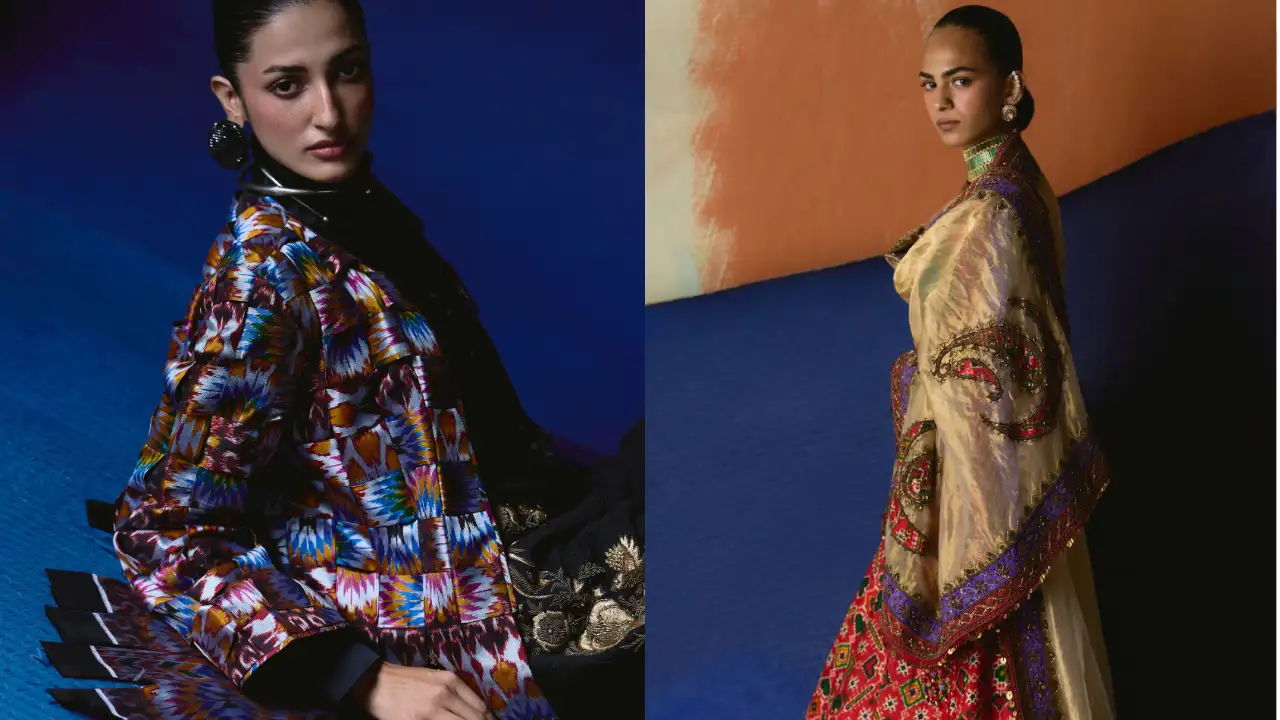
Indian fashion needs to develop a way to let crafts remain diverse and not merge them into a single concept of “Indian craft”. India’s textile heritage is not characterised by any single aesthetic. From the intricately woven Patan Patola to the famous Kalamkari sheen and the dynamic Ikat processes, each weave has a story that speaks about the region, process, and history of its creators. This contradiction of preservation-reinvention forms the basis of the emerging discussion about heritage textiles. What led to the choice of these specific textile forms and traditional crafts? Mayyur Girotra: India’s textile story is not one story; it changes every few hundred kilometres. A Kanchivaram speaks very differently from a Patan Patola, just as the geometry of Pochampally feels completely different from the storytelling of Kalamkari. That diversity was really the starting point for us. We wanted to bring together traditions that each carry a distinct geography, technique, and visual identity. What excited me was not making them look alike but allowing those differences to exist within one collection and seeing how each could converse with the House of Mayyur Girotra. Is the heritage responsible for shaping the design, or does the designer have to alter the words of tradition at times? Mayyur Girotra: I think the first thing a designer has to do is listen to the textile. Before deciding what you want to do with it, you have to understand what is already there – the weave, the handwork, the imperfections, the history and the people behind it. For me, innovation in craft has never meant erasing its past. My role is to find another way of looking at it. Sometimes that happens through embroidery, sometimes through colour or silhouette, and sometimes the strongest decision is to step back and let the textile speak. Mayyur Girotra: It began with spending time understanding the individual character of each textile. You cannot approach the precision of Patola the same way you approach the movement of Ikat or the narrative quality of Kalamkari. From there, the process became one of response, looking at where embroidery could add another layer, where scale or placement could shift the expression, and where the textile needed very little intervention. The final pieces came from that constant balance between the existing craft language and the language of the House. Mayyur Girotra: Patan Patola made me think very differently. When you are faced with that degree of precision, your instinct cannot be to add more simply for the sake of design. It became an exercise in restraint for me. The challenge was to find our place within something that already feels so complete, and that was also what made working with it so rewarding. We have to give them a reason to discover it for themselves. That means allowing these textiles to exist beyond the spaces we traditionally associate them with. They can be part of contemporary wardrobes, unexpected silhouettes, and the way people dress every day. Once someone falls in love with a piece, curiosity often follows: What is this textile? Where did it come from? Who made it? I feel that curiosity is very valuable. In many ways, this is my design language. Some of my strongest memories of textiles actually go back to my childhood, being surrounded by fabrics at home and watching my mother understand them almost instinctively. I think I learnt very early that textiles were never just fabrics; they carried stories, memories and a connection to where we come from. So while working closely with these regional textile traditions may not have changed my design language, it has definitely expanded it. Looking for trusted parenting advice? Follow TOI Parenting Circle on Instagram for expert guidance, relatable stories, and practical tips delivered every day. Get the latest Lifestyle News and more. Download the TOI app.
There is extraordinary discipline behind a double-ikat textile; every thread and every colour has been considered before the weaving even begins.