
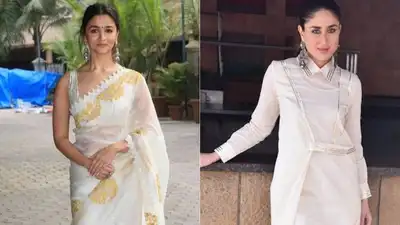
White is the colour for the second day of Navratri, which falls on October 12 this year. After the brighter hues of day one, white brings a softer feel to festive dressing. It is associated with peace, purity and simplicity, and is linked to Maa Brahmacharini, worshipped on the second day of the festival.
Add a pair of juttis, small earrings and a dupatta, and you’re ready for the day. Navratri Day 2 (October 12, 2026): Maa Brahmacharini Puja Vidhi, Mantra, Bhog, Colour and Significance Chikankari is another option if you want something traditional but not too dressy. Because it’s Navratri, you don’t have to choose a heavily embellished outfit just. Because it works with so many colours and accessories, white is easy to style.
Maa Brahmacharini is known for her devotion, penance and discipline. She is usually shown walking barefoot, carrying a rosary and a kamandalu, or water pot. Her simple appearance reflects her dedication to her spiritual journey. White is believed to represent this sense of calm and devotion, making it the colour many devotees choose to wear on the day. When it comes to dressing for Navratri, white gives you plenty of options. You can keep things simple with a cotton kurta or dress up in an embroidered suit for a family gathering. And if you prefer traditional wear, a white saree can look just as festive without needing too much embellishment. A white kurta set is an easy choice if your day begins with puja and includes a few family visits. Cotton works well for daytime wear, while a straight-cut kurta paired with trousers or palazzos keeps the look neat without feeling too formal. You don’t need heavy embroidery to make the outfit feel festive. A kurta with delicate threadwork, a textured neckline or a little lace detailing can be enough. A white chikankari suit has fine embroidery that stands out against the fabric without making the outfit look busy. You can wear it with simple sandals and silver jewellery, or add a colourful dupatta if you want a little contrast. If sarees are more your style, day two is a good occasion to bring out a white or ivory drape. A cotton saree with a slim border works well for daytime puja, while one with delicate embroidery or a subtle gold border can be a good choice for an evening gathering. The blouse can change the entire look. A matching white blouse keeps things understated, while a soft pink, green or gold blouse adds a hint of colour. You can also bring the outfit together with jhumkas, a small bindi and a few bangles. And there’s no need to save a saree for a big celebration. A simple white saree, worn with comfortable footwear and minimal jewellery, can work just as well for a visit to the temple or a family get-together. For those who like a little more volume, a white or ivory Anarkali is worth considering. Its flared shape gives the outfit a festive feel, even when the embroidery is minimal. Look for small details around the neckline, sleeves or hem rather than an outfit covered in embellishments. A long skirt paired with a white kurta is another way to put together a traditional look. You could choose a plain skirt for a quieter outfit or one with a printed or embroidered border. A white kurta with wide-leg trousers is also a good option if you want something that looks dressed up but feels easy to wear. The idea is to work with the kind of clothes you already feel comfortable in. Silver jewellery gives a kurta set a traditional touch, while pearls can look lovely with a white saree or chikankari suit. If your outfit has detailed embroidery, keep the jewellery simple. If it’s plain, you can use earrings, bangles or a statement necklace to add interest. A dupatta is another easy way to change the look. A white one with fine embroidery keeps the outfit coordinated, while a pastel pink, pale green or muted yellow dupatta adds a little colour. You can also choose embroidered juttis or a small potli bag if you want to make the look more festive. Makeup doesn’t need to be elaborate either. A little blush, a soft lip colour and a small bindi can work well for daytime celebrations. For an evening puja, you could add some definition around the eyes or choose a deeper lip shade.
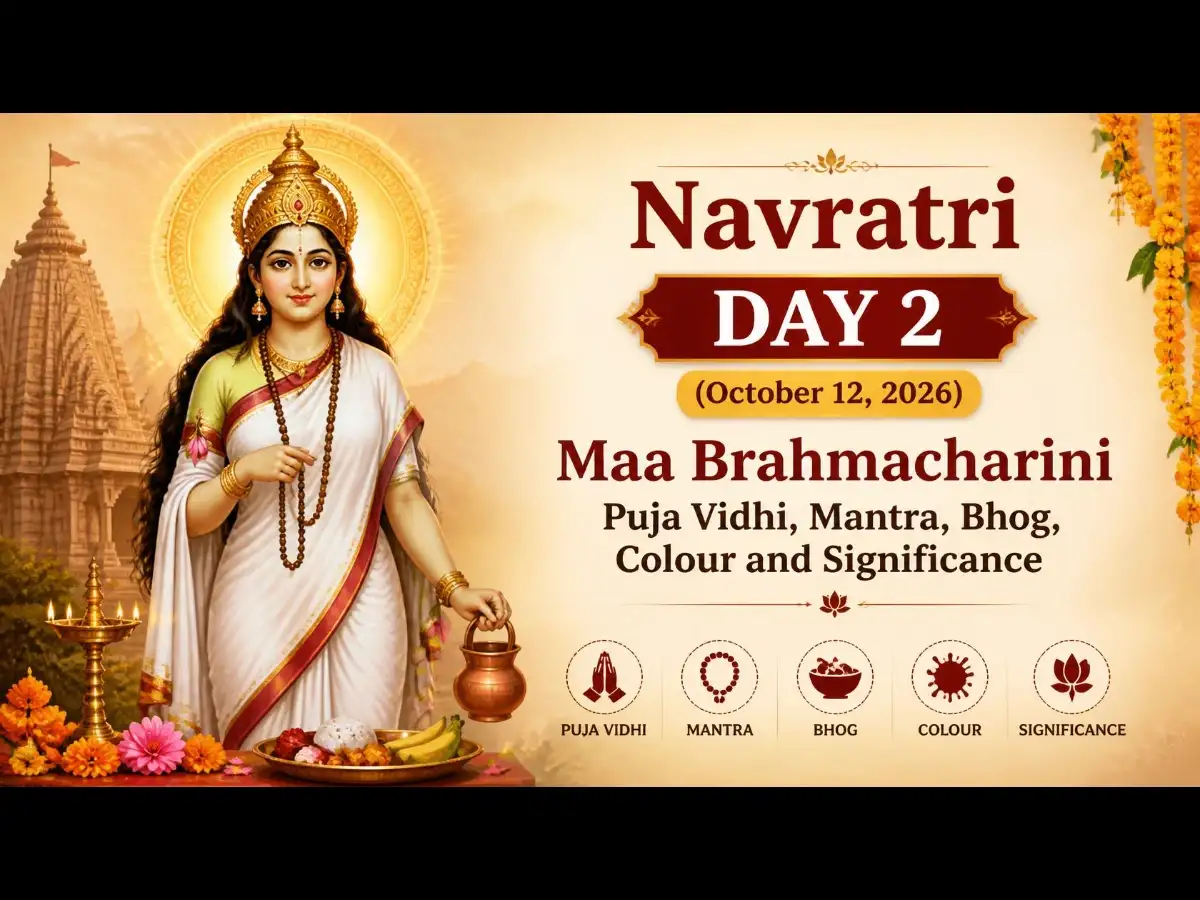
For Navratri Day 2, white doesn’t have to mean plain or predictable. Navratri outfits often have to last through several hours of prayers, visits and family gatherings. So, it helps to think about comfort before choosing what to wear. Cotton and other breathable fabrics are useful for daytime plans, while an embroidered suit or a dressier saree can work for an evening occasion. You can also give an outfit you already own a new look instead of shopping for something specifically for the colour of the day. Try a different dupatta with your white kurta, pair an old saree with a contrasting blouse or bring out jewellery you don’t wear very often. Small changes can make familiar clothes feel different. Whether you choose a cotton kurta, a chikankari suit, an Anarkali or a saree, you can make the colour work for your own style. Keep the outfit comfortable, add a few details you like, and let the day be about more than what you’re wearing. You use AI every day. Now get your AI Quotient. Take the AIQ test Get the latest Lifestyle News and more. Download the TOI app.