Bread usually brings to mind a familiar image: a golden loaf, neat slices, a crusty baguette or perhaps a soft bun. But across different food cultures, bread can take forms that look almost nothing like what we typically recognise as bread. Some are cooked on hot stones, some are stretched into paper-thin sheets, while others are folded, twisted or puffed into unusual shapes. Yet behind the surprising appearance, they share the same basic idea: a staple made from grains or flour and transformed through cooking. Here are some breads that could easily leave you wondering if they really belong in the bread family.
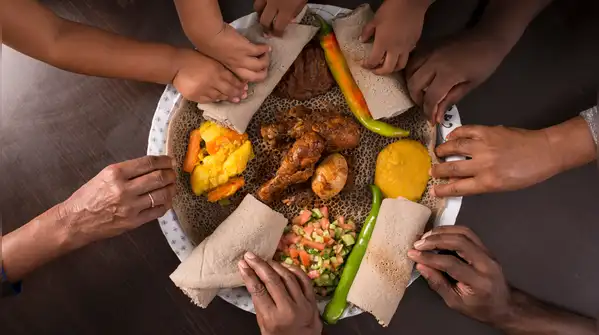
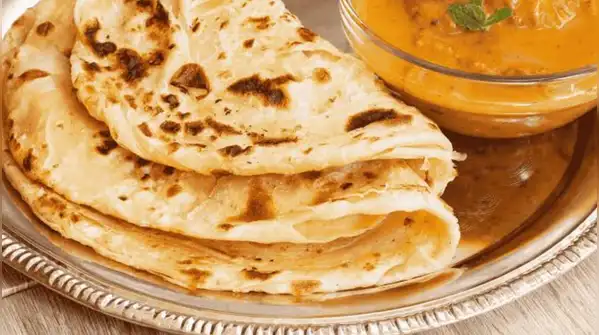
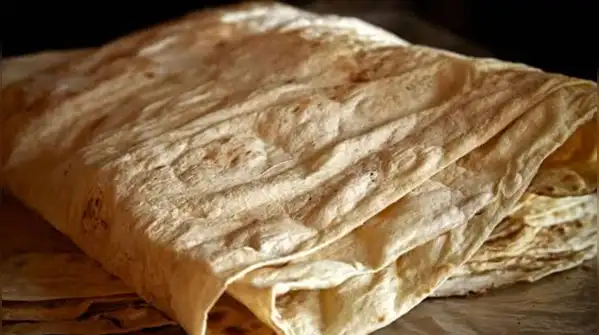
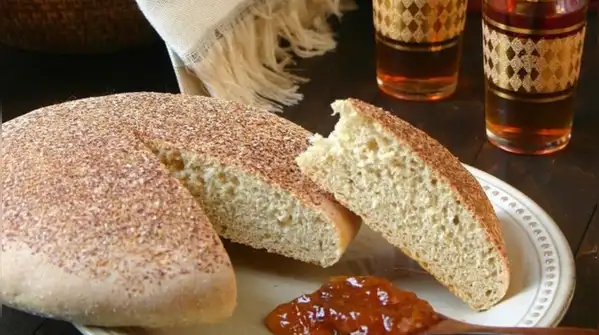
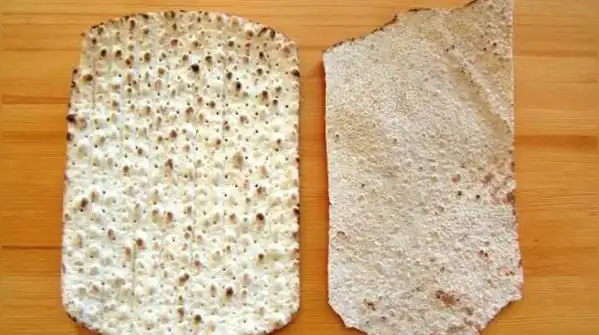
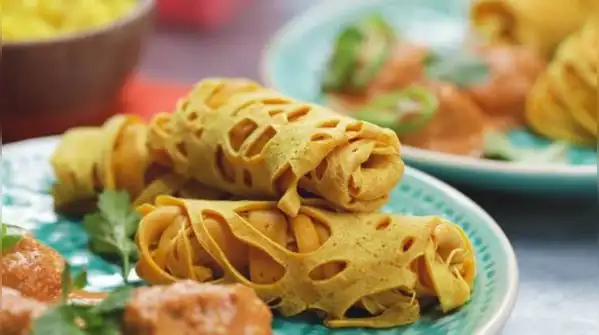
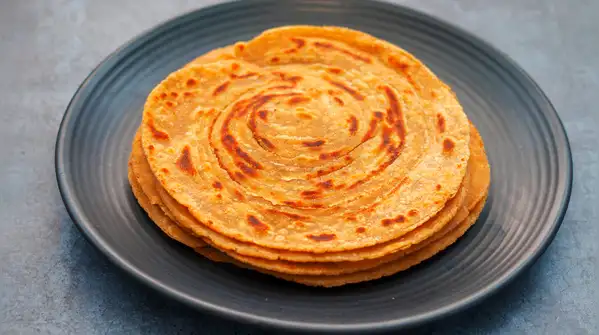
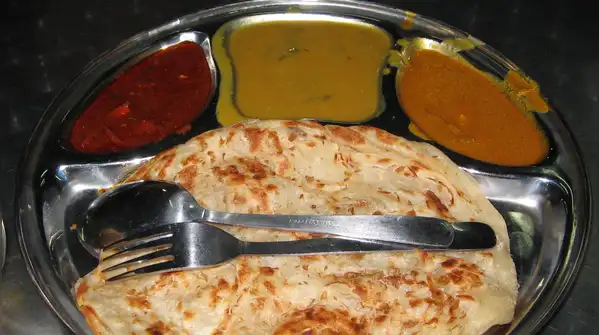
Sweden’s tunnbröd, or “thin bread”, can look more like a large, irregular sheet than conventional bread. Its name means “net bread”, and the reason becomes obvious as soon as it is served. At first glance, injera looks more like a giant, spongy pancake than bread. This Ethiopian and Eritrean staple is made primarily from teff flour and fermented before being cooked on a large griddle. Its surface is covered with tiny holes, giving it a distinctive, almost honeycomb-like appearance. Injera is also used as an edible plate and utensil, with curries, vegetables and meat served on top and pieces of the bread torn off to scoop up the food. Roti canai from Malaysia looks nothing like a conventional loaf. It is a flaky, layered flatbread that is repeatedly stretched, folded and cooked until the exterior becomes crisp while the inside remains soft. The dough is traditionally worked with oil or ghee, and the dramatic stretching process can make it look almost like pastry dough. It is commonly served with curries, dhal or other savoury accompaniments Lavash is so thin that it can resemble a large piece of parchment rather than bread. This traditional flatbread is associated with Armenia and other parts of the South Caucasus and West Asia. Fresh lavash is flexible and soft, while dried lavash becomes crisp and brittle. Its size and paper-thin appearance make it particularly distinctive compared with the thick loaves many people associate with bread. Khobz kesra is a traditional Algerian semolina bread that looks closer to a large, rustic pancake than a loaf. It is generally round, relatively flat and marked with a textured surface. Made with semolina, the bread can have a slightly coarse appearance and is often served alongside soups, stews and other dishes. Its simple, broad shape is a reminder that bread does not necessarily need to rise into a tall loaf. It comes in both soft and crisp varieties and has traditionally been made using different combinations of wheat, rye and other grains. Soft tunnbröd is often wrapped around fillings, while crisp versions can have a texture closer to a cracker. Its thin, flexible form makes it especially different from the dense, sliced breads more commonly seen on breakfast tables. Few breads look as unusual as roti jala. Instead of being shaped into a solid piece, the batter is drizzled onto a hot pan in a continuous web-like pattern. The result resembles a delicate yellow lace or net rather than something that would immediately be identified as bread. It is traditionally eaten with curries and is especially associated with Malaysian cuisine. A paratha may look like a pastry or even a savoury puffed flatbread, particularly when it is made with multiple layers. Laccha paratha, for example, is folded and rolled in a way that creates visible flaky layers. Unlike a conventional loaf, it is cooked directly on a tawa and often develops crisp, uneven edges. Stuffed versions can look even further removed from the idea of ordinary bread, with fillings such as potato, paneer or vegetables tucked inside the dough.