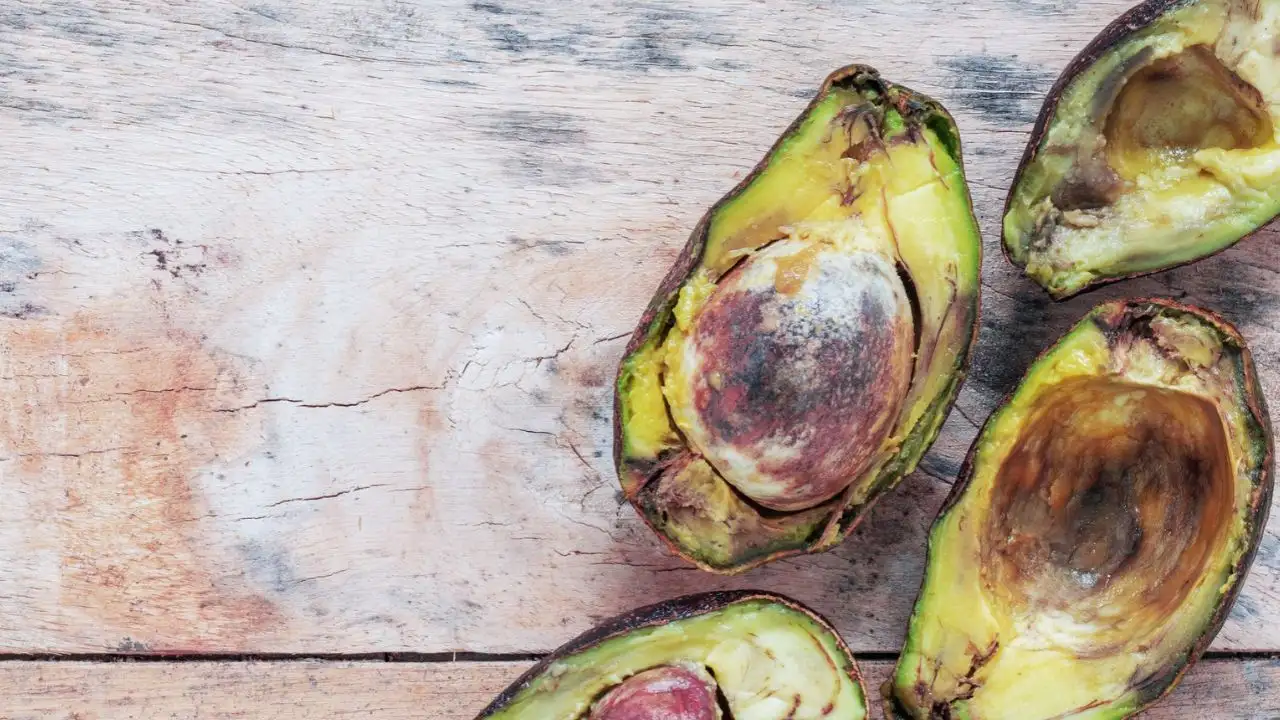
Avocados are unique fruits that continue to ripen even after they have been picked, so their storage needs vary based on their ripeness. Unripe avocados should be kept at room temperature until they are soft. Once they ripen, refrigerating them can prolong their freshness and prevent spoiling. To keep cut avocados from browning, it’s essential to protect them from air by using citrus juice.
In its surveillance of whole fresh avocados, the US Food and Drug Administration (FDA) found Listeria monocytogenes on 17.73% of avocado skin samples and Salmonella on 0.74% of the samples tested. The FDA also detected Listeria monocytogenes in 0.24% of avocado pulp samples. Because of food-safety concerns, then there is the viral water-storage hack, which is best avoided.
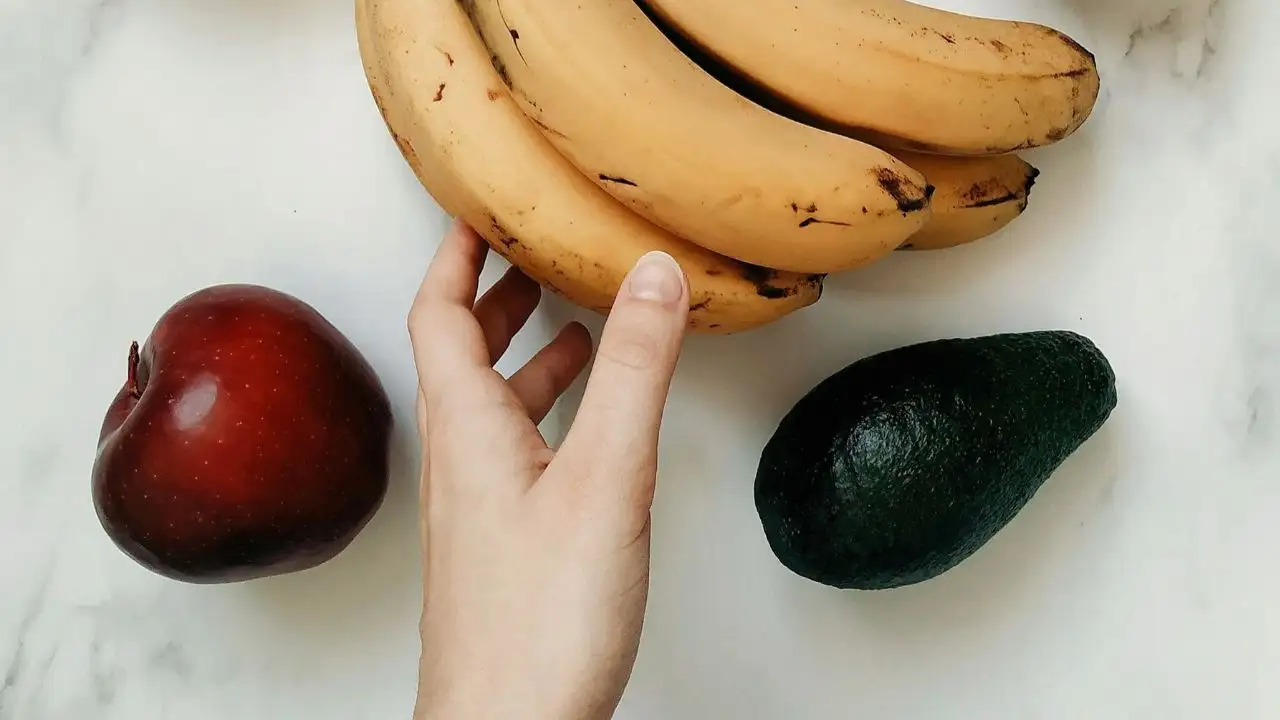
Avocados have become a familiar presence on our plates, and that has taken them into our refrigerators as well. But while the fruit has become a global favourite, there are still some misconceptions about how it should be stored and, more importantly, how it should not be stored. Avocados, bananas and apples are examples of climacteric fruits. This means they continue to ripen after being harvested. As they ripen, these fruits produce ethylene, a naturally occurring plant hormone that regulates the ripening process. Exposure to ethylene can accelerate ripening in fruits that are sensitive to the hormone. This is important not just for keeping your avocados fresh, but also for reducing food waste. If you have an unripe avocado that you want to ripen quickly, placing it in a paper bag with an ethylene-producing fruit such as a banana or apple can help speed up the process. But this advice applies mainly to whole, unripe avocados. Once an avocado has been cut, the bigger concern is exposure to oxygen, which causes the flesh to turn brown through enzymatic oxidation. The internet is full of avocado-storage hacks, but not all of them hold up. For instance, leaving the pit in the avocado does not prevent browning. It only protects the small area of flesh directly underneath it. Similarly, lemon or lime juice can slow enzymatic browning, but it cannot keep an avocado fresh indefinitely. Refrigeration can also help a ripe avocado last longer, while an unripe avocado is generally better left at room temperature until it ripens.
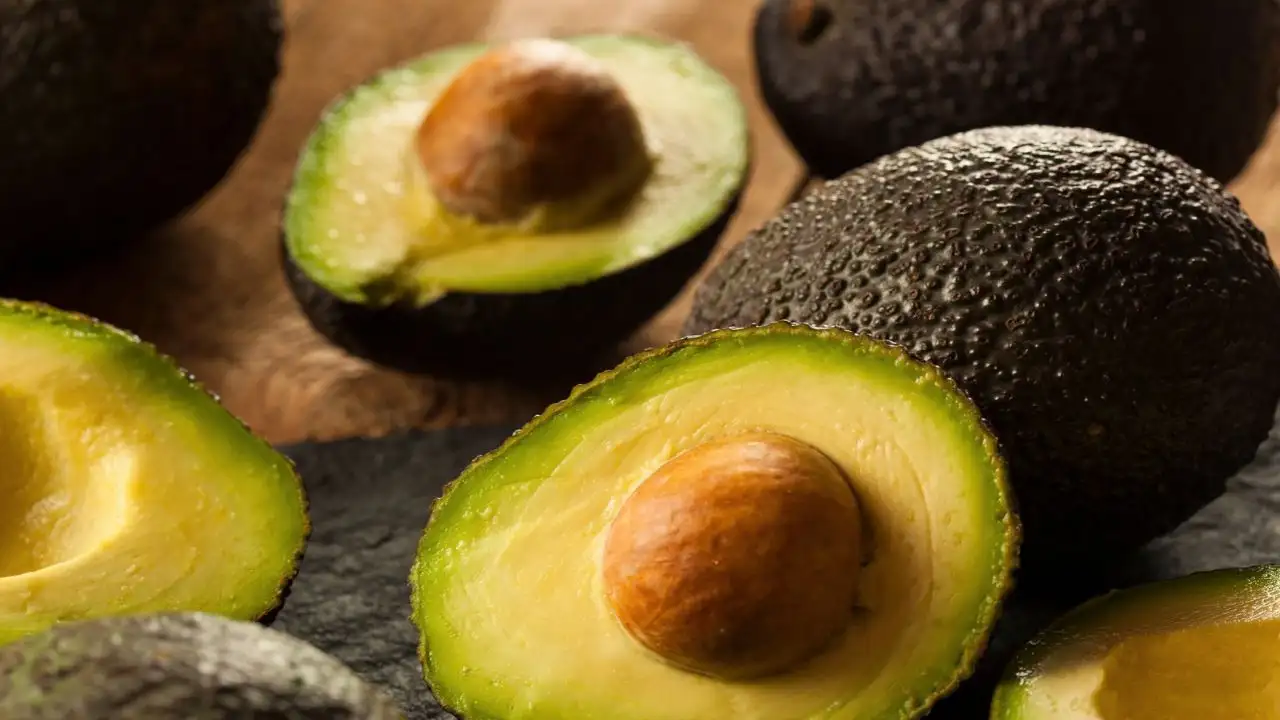
Because bacteria on the surface can potentially be transferred to the edible flesh by a knife, the FDA recommends washing avocados thoroughly under running water before cutting them, even if the skin will be discarded,. Because the acidity reduces the activity of browning enzymes, a little lemon or lime juice can help slow enzymatic browning. An airtight container can reduce the avocado’s exposure to oxygen, but it will not completely stop browning. And if your avocado has turned slightly brown, that does not automatically mean it has gone bad; browning can simply be the result of oxidation. Before throwing it away, check for signs of spoilage such as mould, an unpleasant smell or an unusually slimy texture. Freezing is another option if you cannot use the avocado immediately. However, freezing can change its texture, so thawed avocado is generally better suited to smoothies, dips, sauces and other blended preparations. The best storage method depends on how ripe the avocado is. If it is still firm and unripe, keep it at room temperature until it softens. Once ripe, move it to the refrigerator, where the cooler temperature can slow further ripening. If you have eaten only half an avocado, minimise the exposed flesh’s contact with air. You can then wrap the avocado tightly or place it in an airtight container and refrigerate it. The same principle applies to dishes made with avocado, such as guacamole: limiting exposure to air can help slow browning. If you want to freeze unused avocado, remove the skin and pit and store the flesh in a freezer-safe container or bag. Adding a little lemon or lime juice can help limit browning. Keep in mind that the texture may become softer after thawing, making frozen avocado more suitable for smoothies, dips and blended recipes. When it comes to avocados, good storage is not about complicated hacks. It is about understanding what the fruit needs at each stage. An unripe avocado needs time to ripen; a ripe one benefits from refrigeration; and a cut avocado needs protection from air. A little care can go a long way in keeping the fruit enjoyable — and preventing perfectly good food from ending up in the bin. You use AI every day. Now get your AI Quotient. Take the AIQ test Get the latest Lifestyle News and more. Download the TOI app.