Chef Sanjeev Kapoor gives ideas on how to elevate Navratri cooking with limited ingredients. (Image Credits: Sanjeev Kapoor on Instagram)
You can prepare all three in under 30 minutes of cooking, provided you soak the sago and prepare the ingredients beforehand. 500 g sabudana 1 small packet roasted peanuts 1 small packet vrat ka bhajani atta 600 g yoghurt 1 small packet singhare ka atta 1 packet rock salt 500 g bottle gourd ( lauki ) 1 small bottle kewra water Navratri vrat can make everyday cooking feel like a bit of a puzzle. With restrictions on ingredients such as regular flour, grains and certain spices, the list of what you can cook seems to shrink considerably. After a few days of sabudana khichdi and boiled potatoes, even the most enthusiastic home cook might run out of ideas. But limited ingredients do not have to mean a limited palette. With a little planning, everyday vrat staples can become a satisfying meal without requiring a long list of groceries or hours in the kitchen. Chef Sanjeev Kapoor shares three recipes that bring together crispy mini sabudana thalipeeth , comforting vrat ki kadhi and creamy lauki kheer . The best part? You do not need an elaborate pantry to put together this Navratri meal. Most of the ingredients are readily available at your own homes, especially during navratri.
Ingredients 1 cup soaked sabudana 2 medium potatoes, boiled, peeled and mashed 1 tsp red chilli powder 1 tsp cumin seeds 2 tbsp crushed roasted peanuts 2 tbsp chopped fresh coriander leaves 1 tsp green chilli paste Salt to taste, preferably sendha namak 2 tbsp vrat ka bhajani atta Ghee for shallow-frying ½ cup yoghurt 2 tbsp green chutney Method Combine the soaked sabudana , mashed potatoes, red chilli powder, cumin seeds, crushed peanuts, coriander leaves and green chilli paste in a bowl. Ingredients 1¾ cups yoghurt 2 tbsp water chestnut flour ¼ tsp rock salt 1 tsp red chilli powder ¼ tsp cinnamon powder 2 tbsp ghee 1 tsp cumin seeds 3–4 dried red chillies, broken 10–12 curry leaves ½ tsp sugar Additional salt to taste, if permitted 1 tbsp chopped fresh coriander leaves Method Whisk the yoghurt, water chestnut flour, rock salt, red chilli powder and cinnamon powder with enough water to form a smooth, lump-free mixture. Ingredients 500 g bottle gourd 3 tbsp milk, for grinding the cashews 15 cashews 1 litre milk ½ cup sugar ½ tsp green cardamom powder 1 tsp kewra water Method Peel the bottle gourd, remove the seeds, wash and grate it.
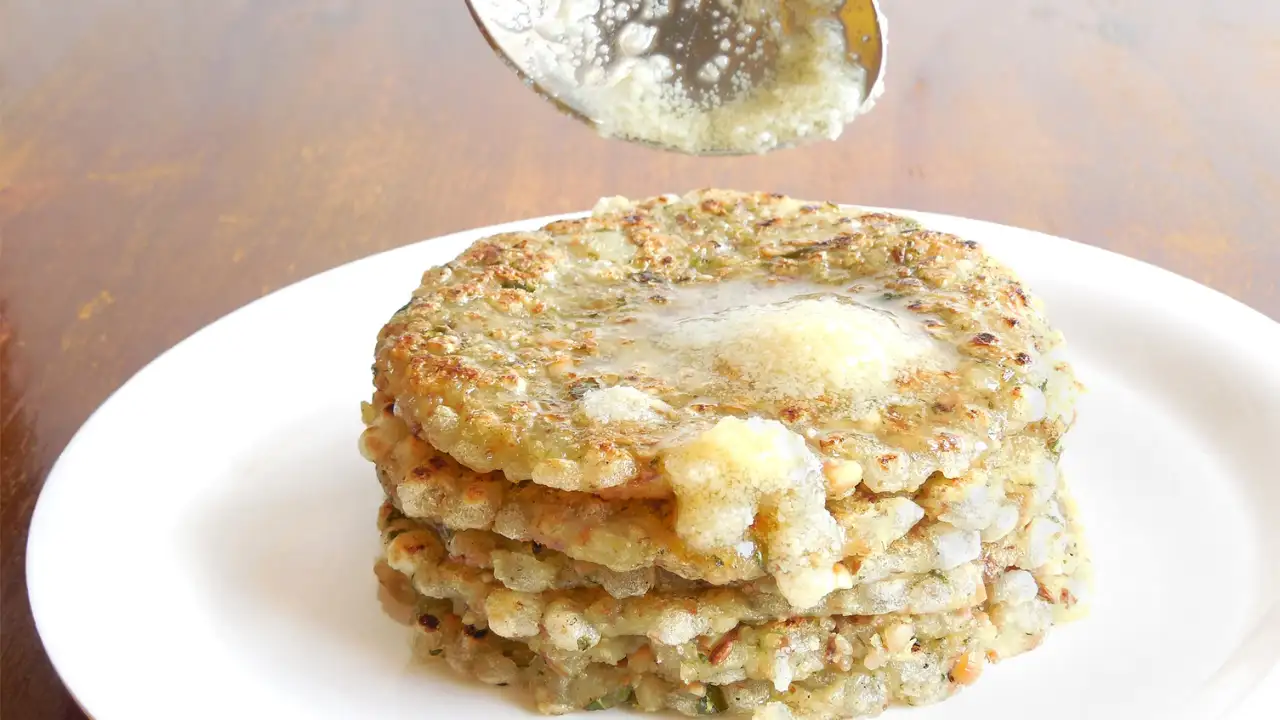
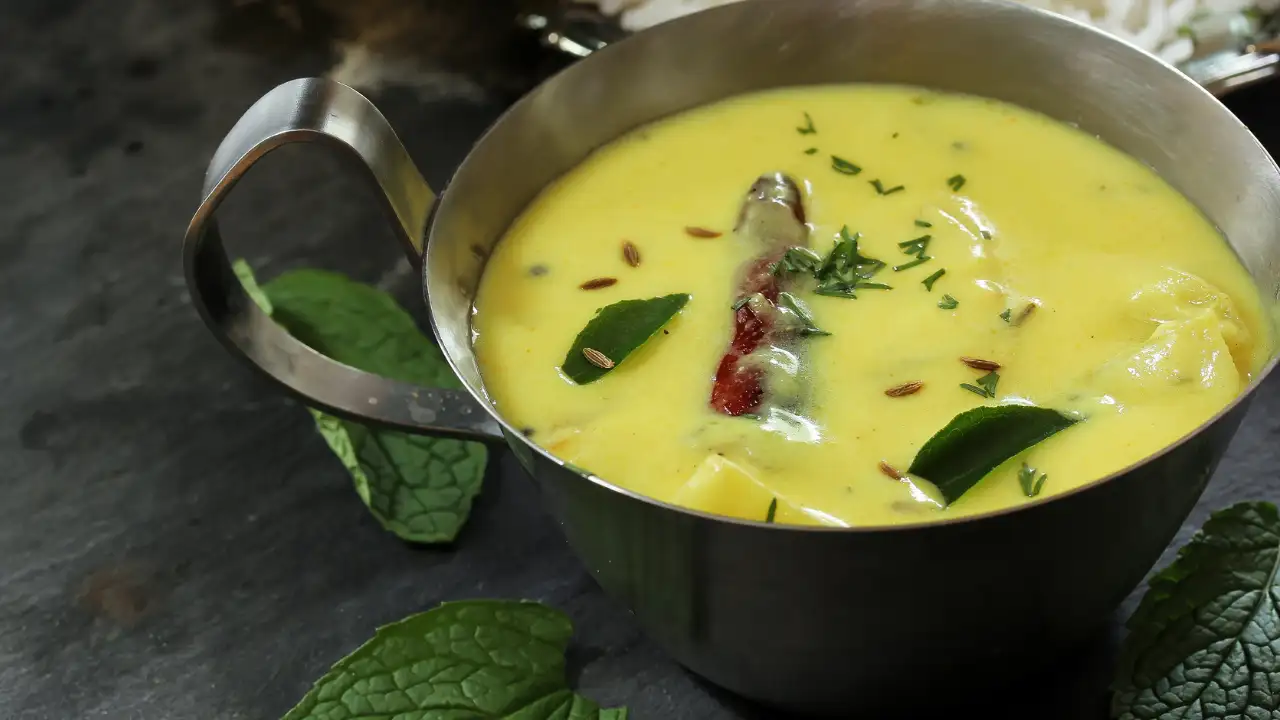
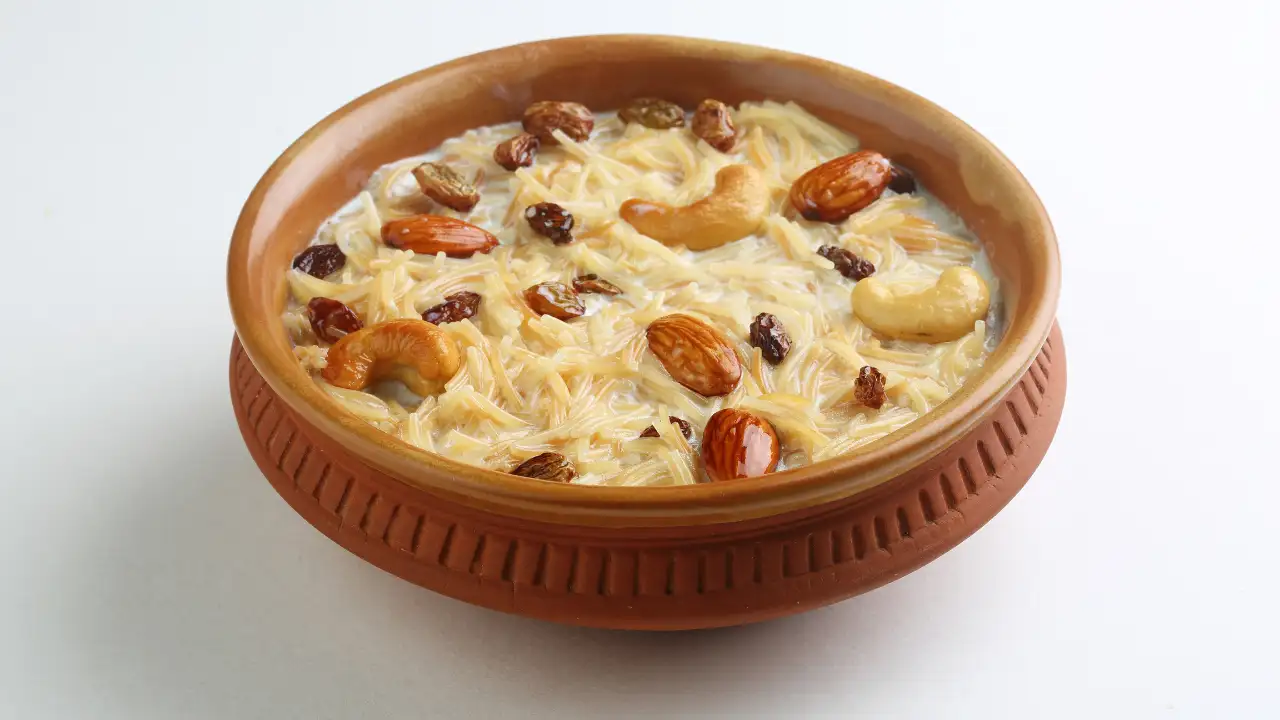
You will also need potatoes, milk, sugar, cashews, green chillies, coriander leaves, cumin seeds, curry leaves, dried red chillies, red chilli powder, cinnamon powder, green cardamom powder and ghee. Check that the ingredients and seasonings you use comply with your family’s vrat rules, as practices vary. The secret to preparing an entire meal without spending your day in the kitchen is to get the prep work out of the way first. Soak the sabudana until it softens, boil and mash the potatoes, and grate the bottle gourd. Cook the lauki until tender and keep it ready for the kheer. Start with the vrat ki kadhi , which can simmer while you shape and cook the mini sabudana thalipeeth . Prepare the kheer alongside the other dishes, using pre-boiled lauki to reduce the cooking time. Serve the thalipeeth with green chutney and yoghurt, followed by the kheer for a sweet finish. Make crispy sabudana thalipeeth with Chef Sanjeev Kapoor’s recipe. Crispy on the outside and soft inside, mini sabudana thalipeeth makes for a delicious vrat -friendly snack or main course. Potatoes help bind the mixture, while roasted peanuts add crunch and a nutty flavour. Add the vrat ka bhajani atta and salt, then mix until the ingredients come together. Place a ring mould on butter paper and fill it with the mixture. Remove the mould and gently flatten the thalipeeth with damp hands. Heat a little ghee on a non-stick tawa. Cook each thalipeeth on both sides, adding a little more ghee as needed, until golden brown and crisp. Whisk the yoghurt and green chutney together. Serve the thalipeeth hot with the dip. Vrat ki kadhi can be the comfort you need. A bowl of warm kadhi adds a comforting element to the meal. Water chestnut flour thickens the yoghurt-based preparation, while cumin, curry leaves and dried red chillies bring depth to its flavour. Pour the mixture into a pan and cook over a low flame, stirring regularly to prevent it from catching at the bottom. Simmer until the kadhi thickens and is cooked through. Heat the ghee in a small pan. Add the cumin seeds and let them splutter, followed by the dried red chillies and curry leaves. Pour the tempering into the kadhi. Add sugar, adjust the seasoning and garnish with coriander leaves. Serve warm. Lauki kheer can be the sweet note to end your meal on. Bottle gourd is not just for savoury dishes. Cooked slowly with milk, sugar and cardamom, it transforms into a creamy dessert. A little kewra water lends the kheer a fragrant finish, while cashews add texture. Boil until soft, then drain and squeeze out the excess water. Heat a little ghee in a kadai and saute the cashews until lightly browned. Remove and set aside. Add the cooked bottle gourd to the same kadai and saute for a few minutes. Meanwhile, bring the milk to a boil in a separate pan and simmer until reduced to about three-fourths of its original volume. Add the bottle gourd and sugar. Cook until the sugar dissolves and the kheer reaches a semi-thick consistency. Stir in the cardamom powder and kewra water. Transfer to serving bowls, garnish with the browned cashews and serve warm or chilled. These three recipes demonstrate how a handful of vrat-friendly ingredients can form a complete Navratri meal, from a crisp snack to a warming kadhi and a fragrant dessert. Instead of buying separate ingredients for every preparation, you can make the most of staples such as yoghurt, ghee, potatoes and nuts across multiple dishes. With some advance preparation, vrat ka khana can be flavourful, varied and manageable even on a busy day. After all, observing Navratri need not mean eating the same two or three dishes throughout the festival. You use AI every day. Now get your AI Quotient. Take the AIQ test Get the latest Lifestyle News and more. Download the TOI app.