Tablescaping need not mean splurging on expensive crockery sets or table linen, or adding yet another stress point to hosting.
Stop buying those 24-piece dinner sets and instead look inside your home for things that can add character to the table.
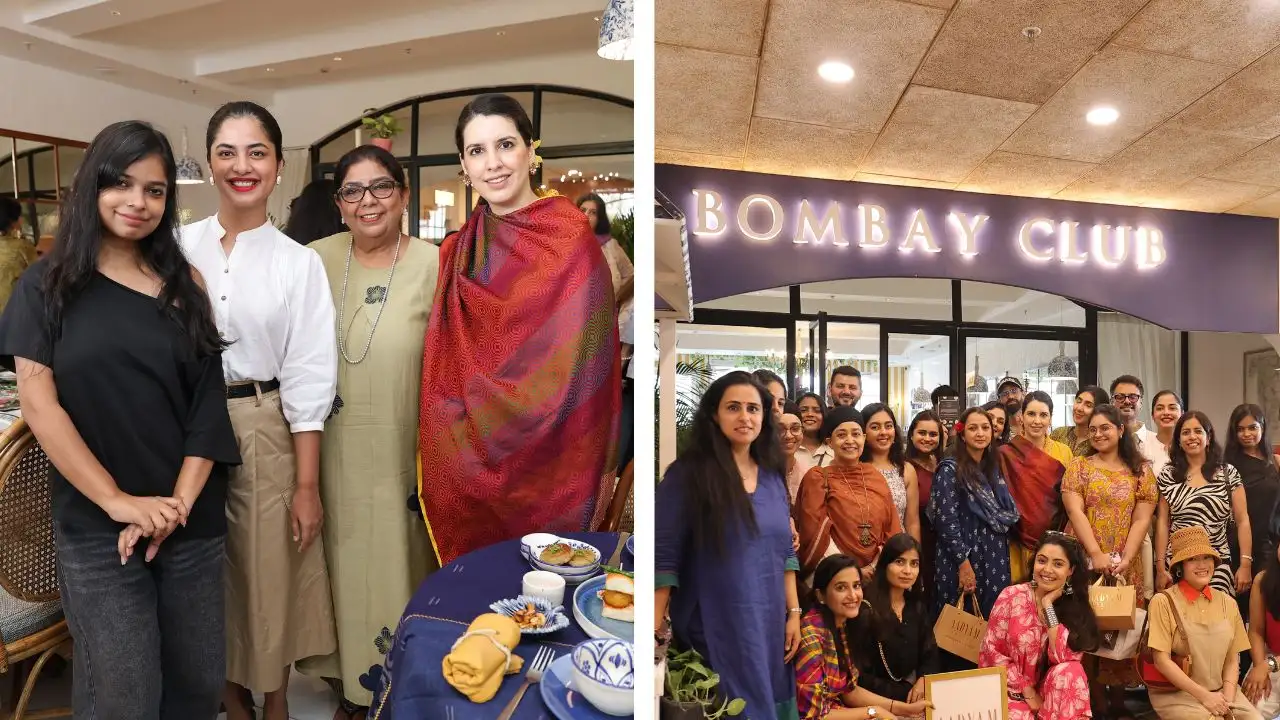
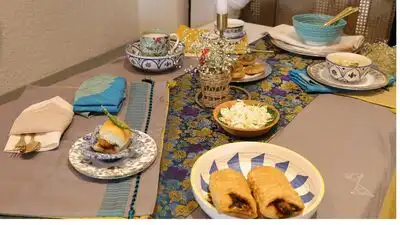
Those can be used,” he says. “Nobody would get to know that it is a ghagra,” she said. Hosting loved ones for a feast at home is no longer just about what is on the plate. Increasingly, it is also about what is on the table. The traditional rules of table-setting have given way to tablescaping: the art of bringing together crockery, cutlery, linen, centrepieces and candles to create a table that feels as inviting as the meal itself. But tablescaping need not mean splurging on expensive crockery sets or table linen, or adding yet another stress point to hosting. Done right, it can be a creative and even therapeutic exercise, believes Amanda Bhandari of Bombay Club, who recently hosted a tablescaping workshop with chef Anahita Dhondy at Bombay Club, Delhi. For Dhondy, the guiding principle is simple: “Mix and match. Her advice to hosts? The idea of using what you already have at home resonated with Vishesh Sharma of Aadyam Handwoven, who found himself looking at everyday objects differently after the workshop. “It’s more about adding some character to your home, even when you have friends over. We have so much old textile which we don’t wear anymore. For him, tablescaping is less about buying something new and more about letting the creative side come out. “People also remember you by your hosting, ‘remember usne kitne ache se sajaya tha’. He recalls using his mother’s old saree, which she no longer wore, as a backdrop during Ganpati. “Why buy everything? Mix and match is the best idea. During the workshop, Dhondy showcased different ways of using handloom dupattas and stoles as table linen and stressed, “Don’t be confined only to your dinnerware. The idea is to elevate and add colours to the table set-up. Do it using antique candle stands, earthen pots and kulhars, brass pieces from the prayer room, old textile and handloom pieces at home. Walk around your own home, and you will get a lot of inspiration. Use wood, use brass, don’t be scared to experiment; that’s the idea of tablescaping. She also suggested that a ghagra could double up as a tablecloth for a round table, with the waist area cleverly covered with a flower vase.
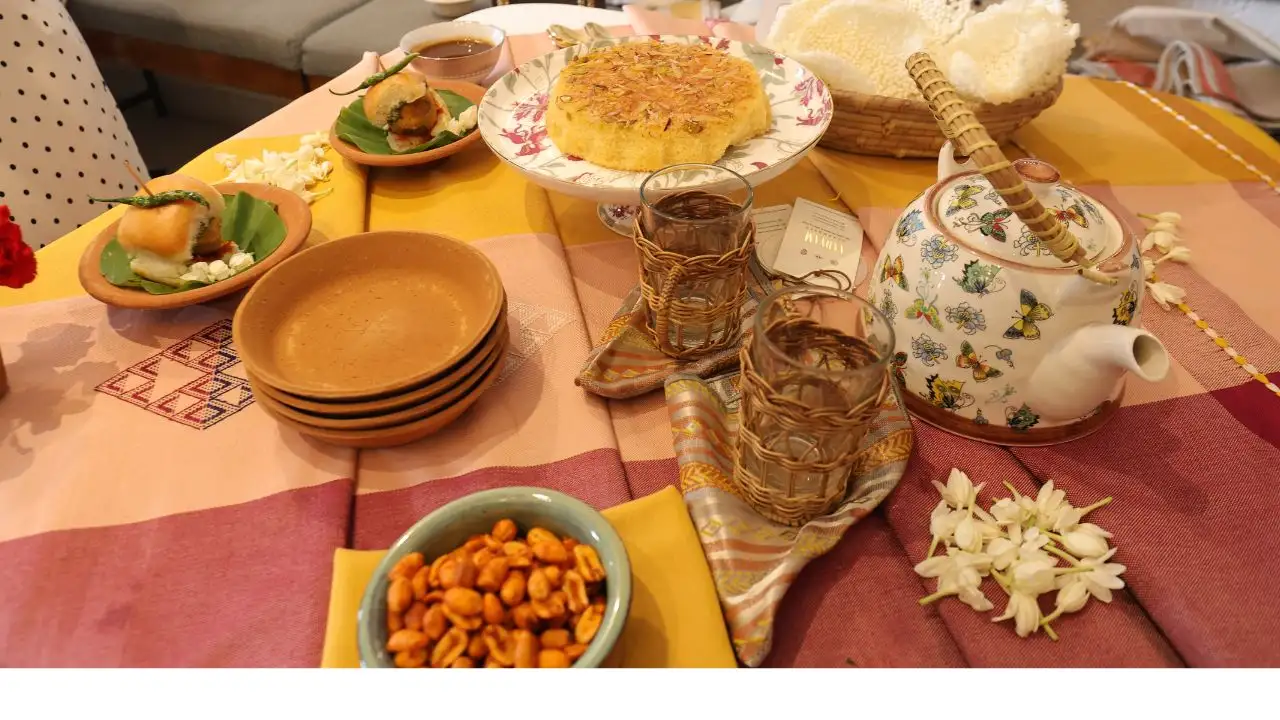
That leaves the host with time to actually greet the guests because, as she put it, as important as it is for the table to look beautiful, “you should not be looking dead by the time the guests arrive.
She added, “As a person who has studied food, four hours is a good time to keep your food outside. ” Chef Anaita Dhony conducted a tablescaping workshop in Delhi ahead of the festive season. And it is not just about how the table looks. As an attendee asked where to begin with the food, Dhondy suggested keeping dishes that can be served at room temperature on the table before guests arrive.