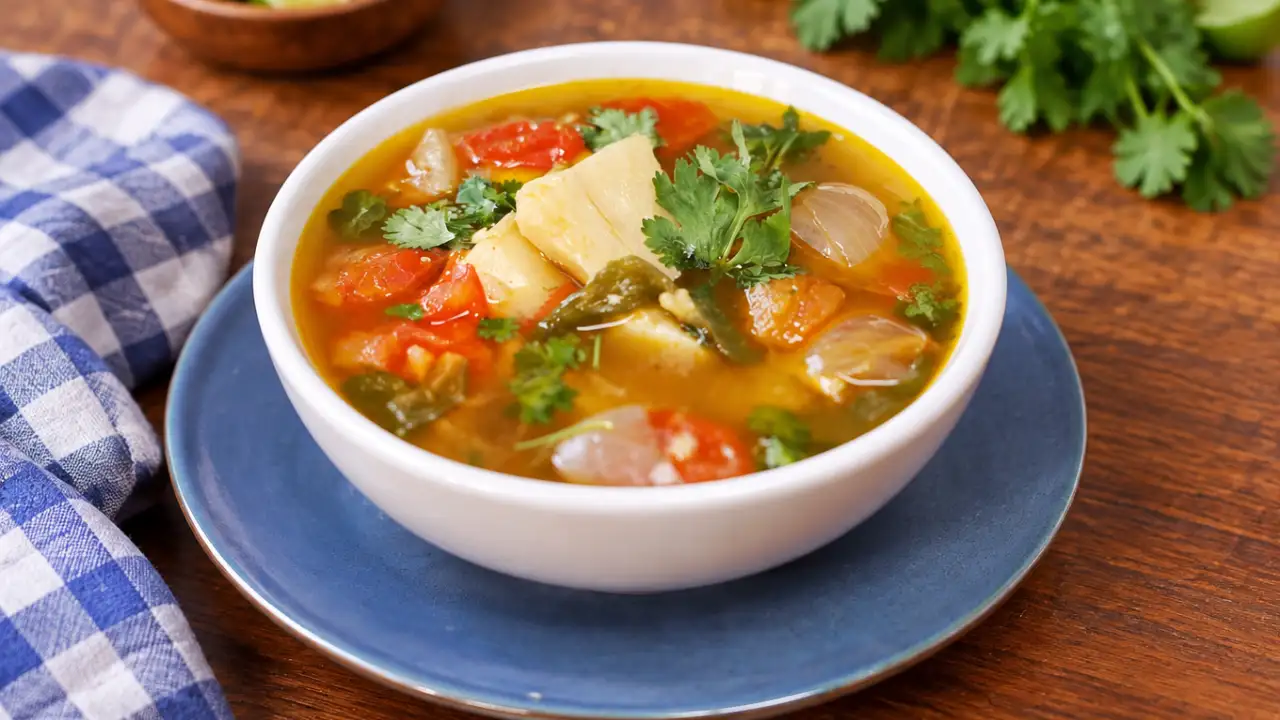
Pankaj Bhadouria gives a vegetarian twist to Peshwari Rosh. (Image Credits: Pankaj Bhadouria’s Instagram)
But what if we told you that the humble aloo could also recreate the comforting flavours of a traditional Peshawari meat dish? Potatoes are a kitchen staple, and for good reason. They are the ultimate kitchen multitaskers. Mash them, fry them, roast them or turn them into a curry, and they rarely disappoint. Enter Aloo Rosh , a rustic, flavour-packed recipe by MasterChef Pankaj Bhadouria that proves a delicious meal does not need an elaborate list of ingredients or hours of cooking. Inspired by Rosh , a meat preparation associated with Peshawari and Pashtun cuisine, this vegetarian adaptation replaces meat with potatoes, allowing them to soak up the flavours of ginger, garlic, green chillies and black pepper. The result is a simple, hearty dish with a flavourful broth that pairs equally well with rotis and rice. And the best part? All you need is a pressure cooker. Traditional Peshawari Rosh is known for its straightforward preparation, relying on meat, a light seasoning and a rich broth rather than an overwhelming number of spices. The idea is to let the ingredients speak for themselves, creating a dish that is deeply flavourful without being excessively complicated. Depending on the preparation, potatoes may also accompany the meat. MasterChef Pankaj Bhadouria takes inspiration from this style of cooking and gives it a vegetarian spin. Instead of meat, potatoes become the star ingredient, absorbing the flavours of onions, tomatoes, ginger, garlic and green chillies as they cook together. Black pepper adds a gentle warmth, while mustard oil lends the dish its characteristic aroma. Unlike thick, creamy gravies or masala-heavy curries, Aloo Rosh is built around its broth. It is light enough to be enjoyed with rice but flavourful enough to turn an ordinary meal into something worth looking forward to. Think of it as comfort food that does not need too much fuss to make an impression. The beauty of this recipe lies in its simplicity. There is no elaborate spice blend to prepare, no onions to caramelise for half an hour and no separate masala to grind. Everyday ingredients come together in one pot, making this a useful recipe for days when the refrigerator is running low but you still want something filling for lunch or dinner. Then, there is the convenience of pressure cooking. Rather than watching over a pot on the stove, you can let the pressure cooker do most of the work. It is a practical recipe for beginner cooks, busy weekdays and anyone who believes that a good home-cooked meal should not require a sink full of dishes.