which is claimed to be almost 10 times that of lemon, the fruit is packed with other vitamins, minerals, fatty acids and antioxidant compounds While widely praised for its vitamin C content.
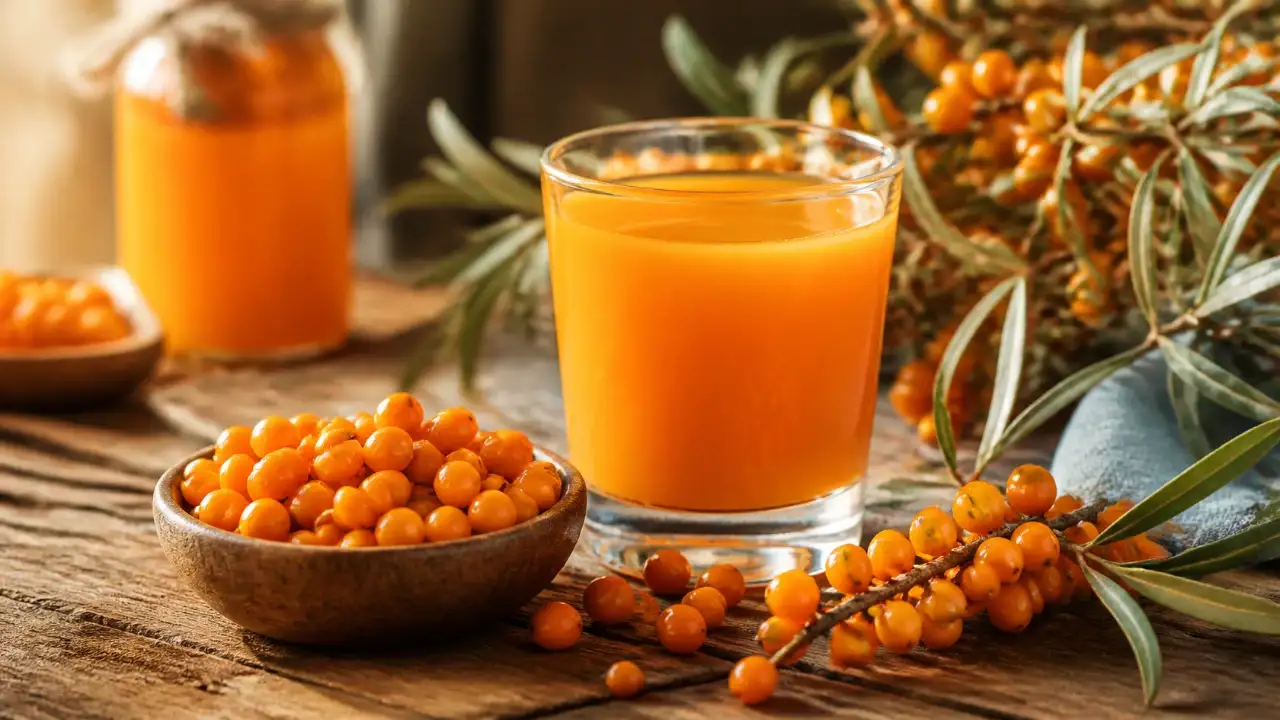
Well, they are wrong, at least according to Union Minister of Commerce and Industry Piyush Goyal . People say you cannot eat gold. Amid the scenic mountains of Ladakh grows a fruit that has earned the nickname ‘gold’. The GI-tagged sea buckthorn fruit is considered a superfood, and the internet is just taking notice of it. Found in cold, high-altitude regions, these bright orange berries are known for their tart taste. What makes this small, tangy berry stand out is its impressive nutritional value.

Given the claim that the berries contain 10 times more vitamin C than lemon, it is easy to imagine their sour and tangy taste. Therefore, they are often processed and consumed locally as juices, jams, syrups and concentrates. Beyond its nutritional value, the plant is also gaining recognition for its potential uses in the food-processing and skincare industries. Sea buckthorn contains phenolic compounds, flavonoids and carotenoids. These substances contribute to its antioxidant properties and are one reason researchers are interested in its potential as a functional food ingredient. Sea buckthorn is also studied for its fatty acid composition. Its seeds and pulp contain different oils, including unsaturated fatty acids. These components have contributed to the fruit’s use in food products, oils and skincare formulations. Despite its impressive nutritional content, the berries are not always easy to find or consume straight from the plant. The fruit’s distinct tartness also makes it suitable for beverages and other food preparations, where it is combined with sweeter ingredients to balance its flavour. This tart flavour makes it a distinctive ingredient in local preparations, allowing communities in Ladakh to make use of a fruit that grows naturally in the region. As research into its nutritional properties continues, sea buckthorn is also finding applications beyond food. Its oils and extracts, rich in fatty acids and other bioactive compounds, are attracting attention from the cosmetics and skincare industries. From food and beverages to skincare products, the berry is gaining more attention for its versatility and diverse uses.