Some foods are so iconic, they come protected under a tag that matches their reputation
India received its first GI tag for Darjeeling Tea in 2004 and now has hundreds of registered products across food, agriculture, textiles and handicrafts. In 2010, Hyderabadi haleem received a GI tag. And, in 2022, it was voted the most popular GI product in the food category, a fitting recognition for a dish that has now become synonymous with Hyderabad. Ooty varkey received its GI tag in 2010, recognising its connection to the Nilgiris. It received a GI tag in 2019, recognising its regional identity.
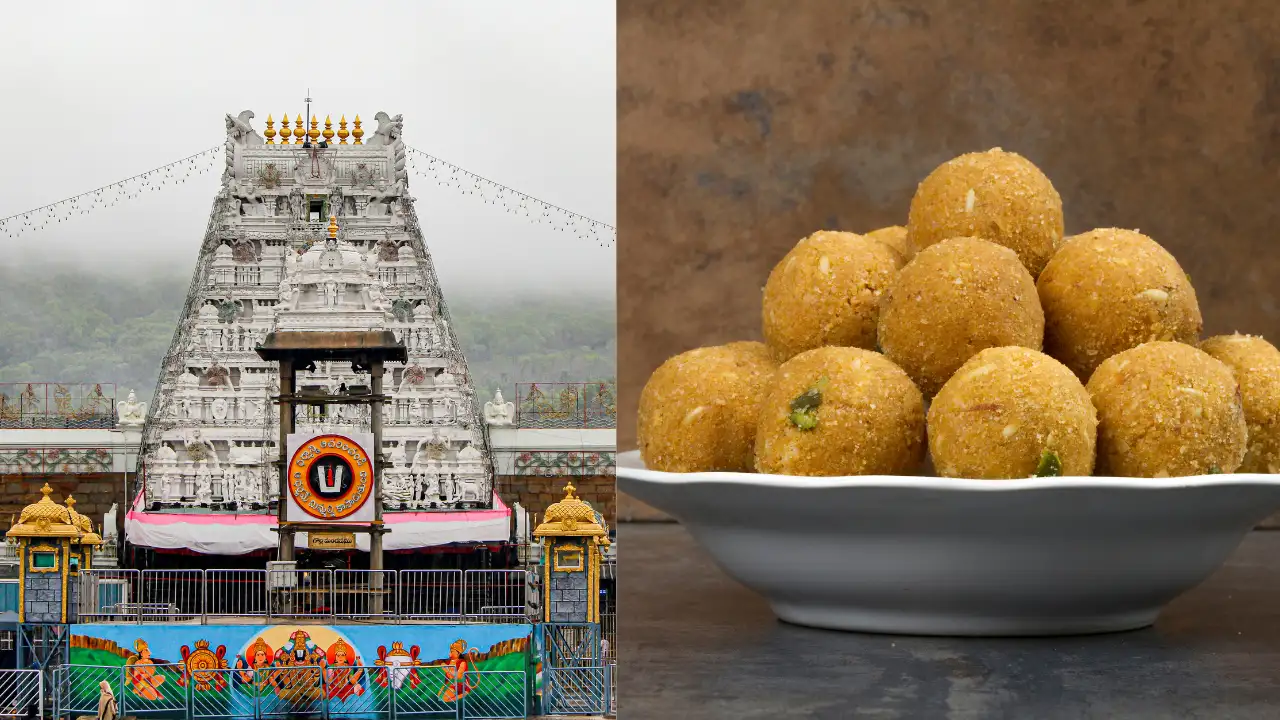
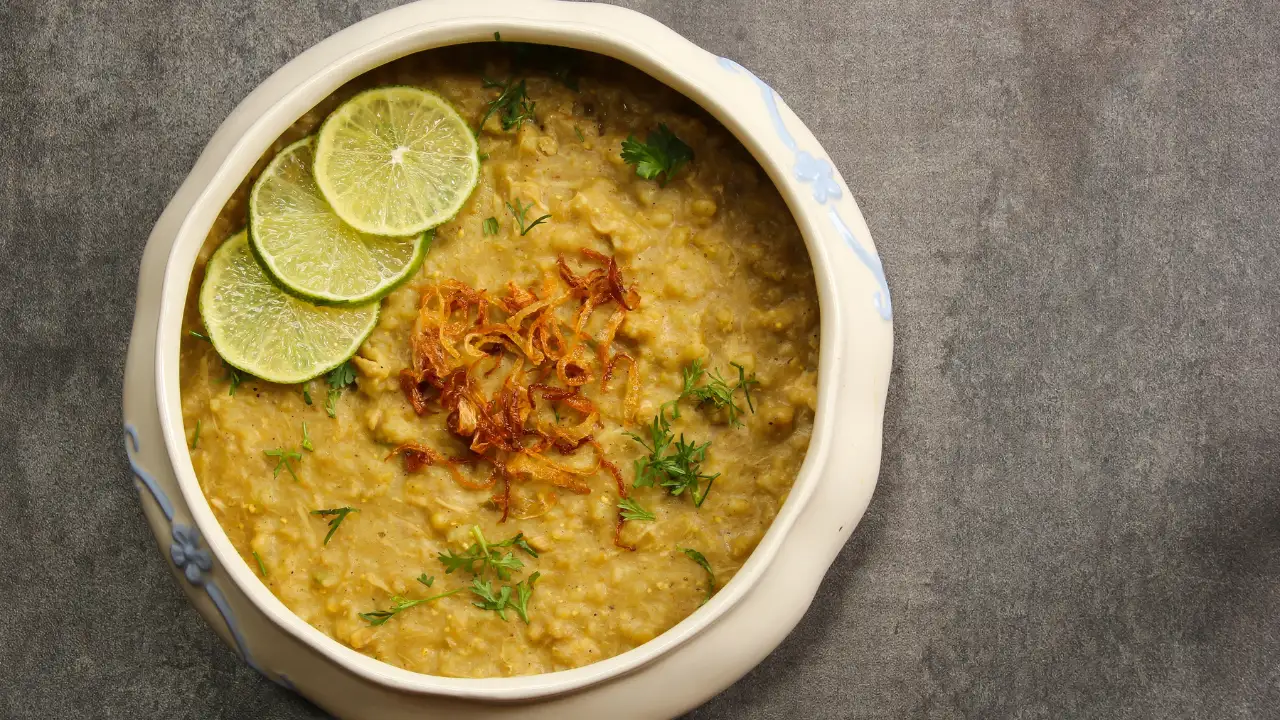
South India is a rich land of cultures and landscapes. From the backwaters of Kerala to the hills of Ooty, this region has many beautiful sights to adore. But, what if the best way to explore South India was not through your eyes, but your tastebuds? A Geographical Indication (GI) tag identifies a product with a particular geographical origin and recognises the qualities or reputation associated with that place. It helps protect a product’s identity, the knowledge behind its production and the communities that have preserved it over generations. Here are six South Indian foods whose GI tags connect them to their unique regional roots. Hyderabadi Haleem is actually the first non-vegetarian dish in India to receive the GI status. Made by slowly cooking meat, lentils and pounded wheat until they break down into a thick, rich preparation, it is particularly popular during Ramzan, when it is eaten at iftar , the meal that breaks the day’s fast. Its hearty consistency and high energy content make it a filling way to end a day of fasting. Though haleem has its origins in Arab cuisine, it made its way to Hyderabad through the Chaush community during the rule of the Nizams. Over time, local ingredients and cooking methods gave it a distinctive character, making it the city’s own. Ramzan remains its busiest season While it is a favourite delicacy at weddings and celebrations throughout the year. The biscuit is believed to have developed during the British colonial period, when Ooty, then known as Ootacamund, served as the summer capital of the Madras Presidency. Its method of layering fat through dough recalls puff pastry, but local bakers gave it an identity of its own. Traditional Ooty varkey uses a starter called maavai, made from ingredients including banana, semolina, flour and sugar, which helps develop its characteristic texture. The dough is shaped by hand and baked in wood-fired brick ovens, methods local bakers consider essential to the finished biscuit. Dharaw Pedha, has an interesting origin story, its birth in a pandemic of the bygone era. In the late 18th century, the Thakur family migrated from Unnao in Uttar Pradesh to Dharwad, Karnataka, after a plague outbreak in their hometown. Ram Ratan Singh Thakur, a first-generation confectioner, began making and selling pedhas in his new home, laying the foundation for what would become one of Karnataka’s best-known sweets. Wrapped up for the journey home or eaten fresh from the shop, it is proof of what patience can do with two simple ingredients.
Today, palkova is sold in shops around the temple and by local producers, including the Srivilliputhur Co-operative Primary Milk Producers Society.