But food has never followed political borders particularly well. They carried spices, grains, cooking techniques and recipes with them, while local cooks changed those recipes to suit ingredients and tastes at home. That history can still be tasted in several foods that have versions across the regions.
Long before the modern map of India and the Middle East existed, merchants, travellers, sailors, soldiers and cooks were moving between South Asia, Persia, Arabia and Central Asia. Today, Indian and Middle Eastern cuisines are often described as separate culinary traditions, each with its own familiar breads, sweets, snacks and rice dishes.
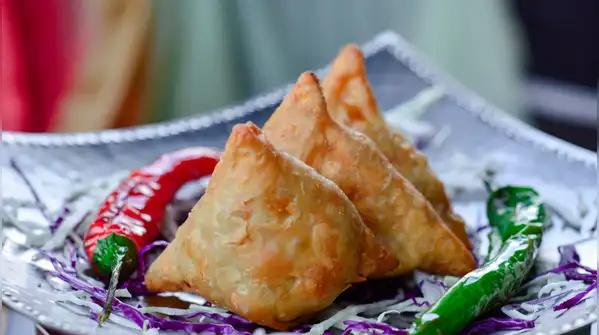
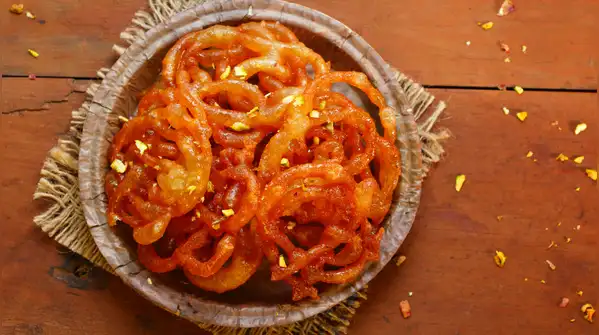
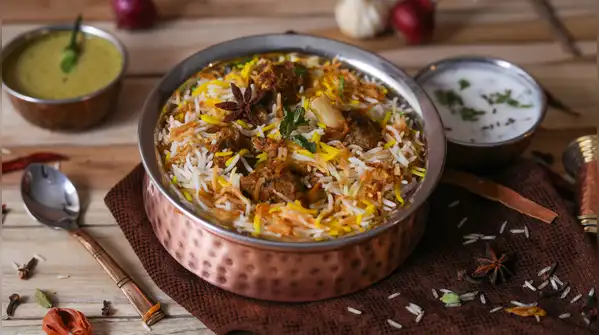
Few foods seem more Indian than the samosa, but its story stretches far beyond the subcontinent. Medieval Arabic cookbooks from the 10th to 13th centuries record pastries called sanbusak, sanbusaq and sanbusaj, names connected to the Persian sanbosag. The early versions were generally filled with meat, nuts, onions and spices rather than the potato-and-pea mixture that became especially popular in India. Across parts of the Middle East, related pastries are still known as sambusak or by similar names, with fillings ranging from meat to cheese and vegetables. That orange spiral of syrup-soaked batter has become deeply embedded in Indian food culture, but its older relatives were known in West Asia. Medieval Arabic cookbooks describe sweets called zalabiya or zulabiya. A recipe appears in the 10th-century Kitab al-Tabikh by Ibn Sayyar al-Warraq, while another medieval Arabic cookbook records a related preparation. As the sweet travelled east, it was adapted and eventually became jalebi in the Indian subcontinent. By around the 15th century, jalebi was already appearing in Indian literary references, showing that it had become part of local food culture rather than remaining a foreign import. The word naan itself comes from a Persianate culinary tradition, and related flatbreads have travelled across the region for centuries. In India, naan became particularly associated with the courts and elite kitchens of the Delhi Sultanate and Mughal periods. Amir Khusrau, writing in the 14th century, referred to different varieties of naan being eaten by Muslim nobles. But the idea of cooking leavened flatbread in a hot oven or tandoor belongs to a much wider culinary world stretching across West and Central Asia. India’s naan eventually developed its own character, with versions ranging from plain naan to butter naan, garlic naan and stuffed varieties. Rice travelled along the same networks as spices and other ingredients, and dishes built around seasoned rice and meat developed in several parts of Asia. The Indian pulao belongs to a broader family of Persianate and Central Asian rice dishes. Historical accounts of the Delhi Sultanate already mention pulao alongside foods such as samosa. Over time, Indian kitchens transformed these rice preparations using local spices, ingredients and cooking methods. The result was not a single dish with one fixed origin, but a large family of related preparations spread across South and West Asia. Halwa is another food whose name and basic idea cross modern borders. The word is associated with the Arabic halwa, meaning something sweet, and versions of halwa developed throughout the Middle East, Persia, Central Asia and South Asia. The Indian tradition eventually produced its own enormous range, from suji halwa and atta halwa to gajar halwa and moong dal halwa. Middle Eastern versions can look and taste quite different, often using sesame paste, nuts or other ingredients. What connects them is less a single recipe than an old culinary idea that travelled, changed and became local wherever it settled.
By the Delhi Sultanate period, versions of the dish were being eaten in India, where it gradually developed into the triangular, crispy snack familiar today. Today, variations of the same broad family of syrup-soaked fried sweets can be found across West and South Asia.