
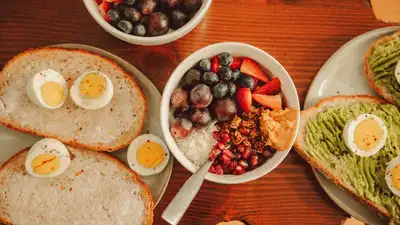
A full breakfast is a healthy start to the day
Because some cereals are high on sugar and low on protein and fibre, they may provide energy quickly. Because not all children’s cereals are high in sugar or low in protein/fibre. Because they may combine caffeine with large amounts of sugar or other stimulants, energy drinks are particularly unsuitable for children.
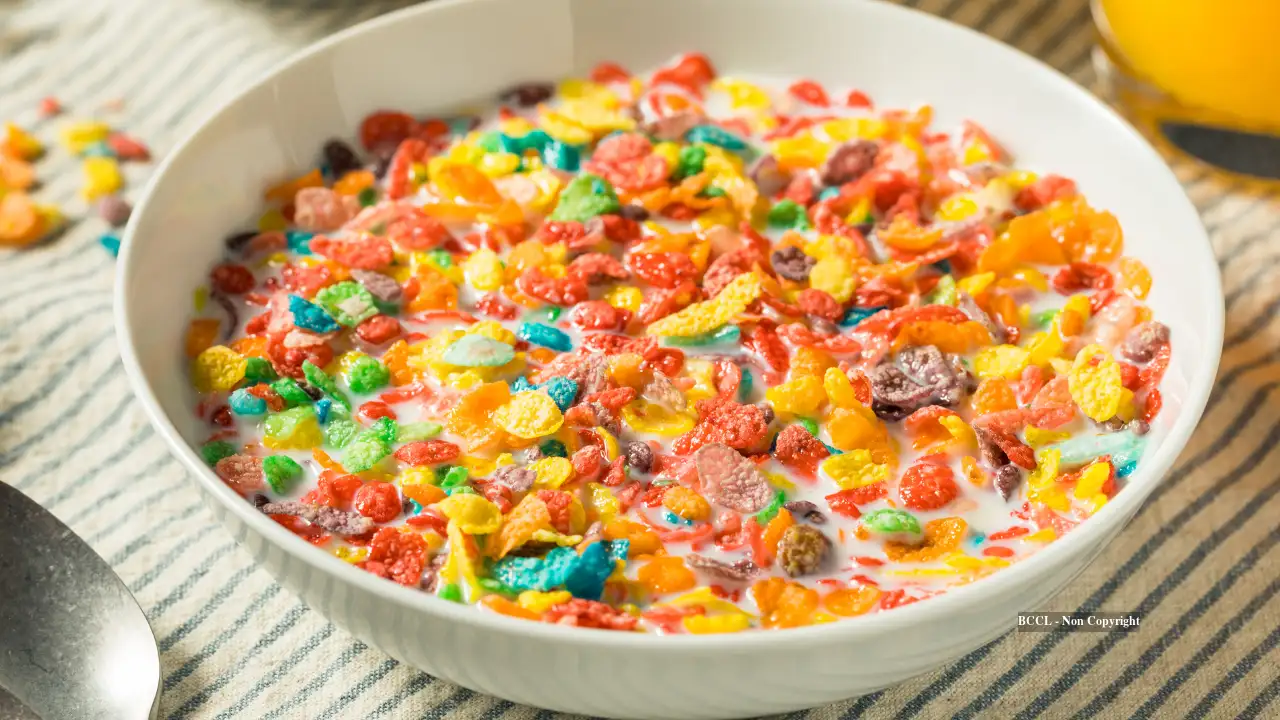
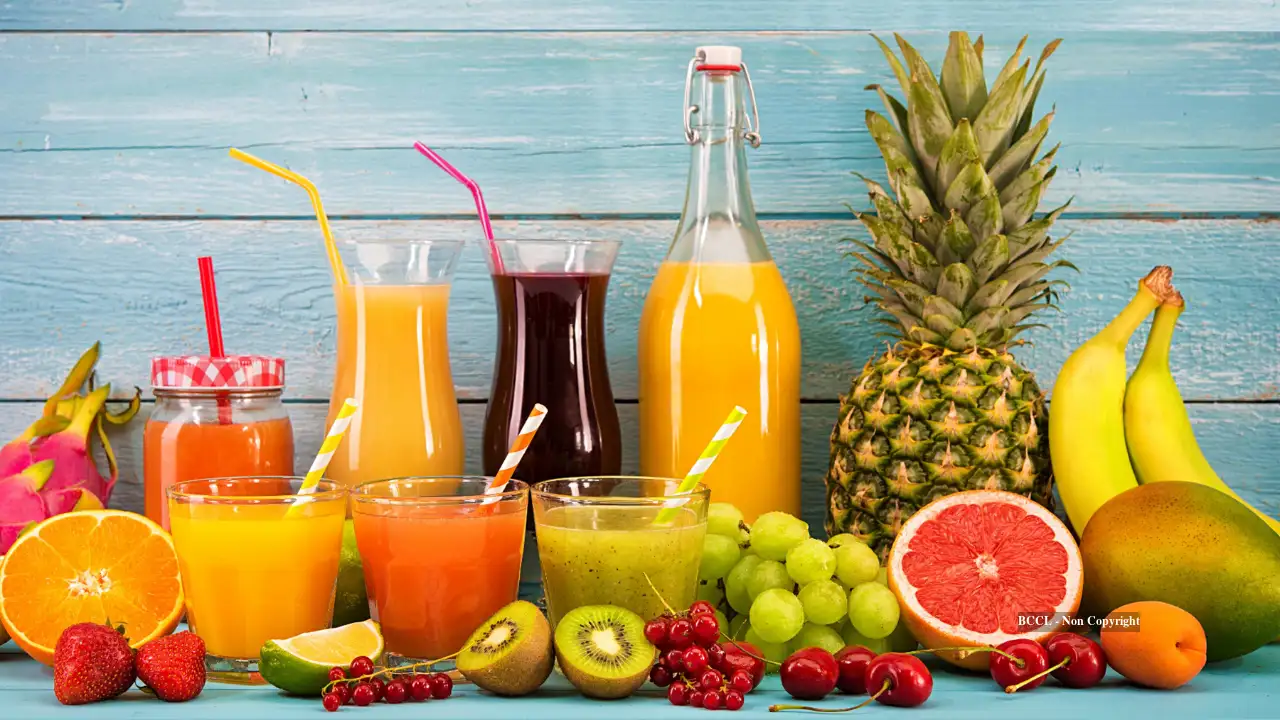
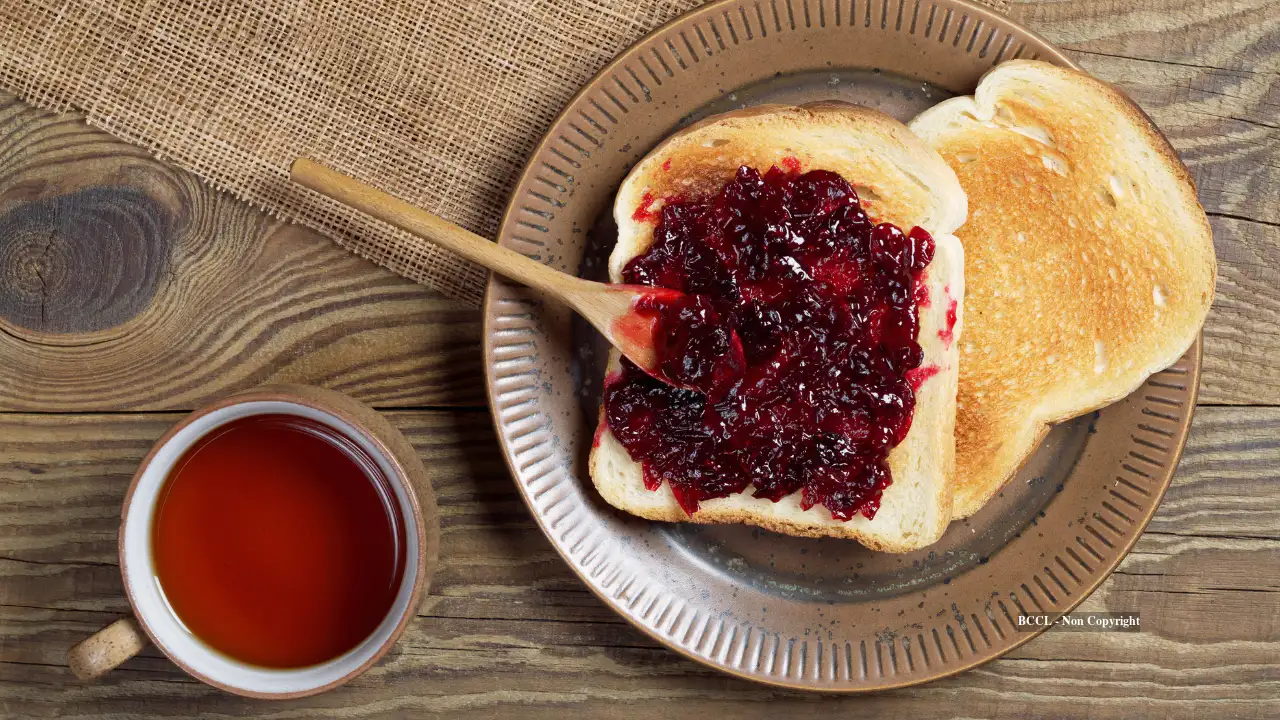
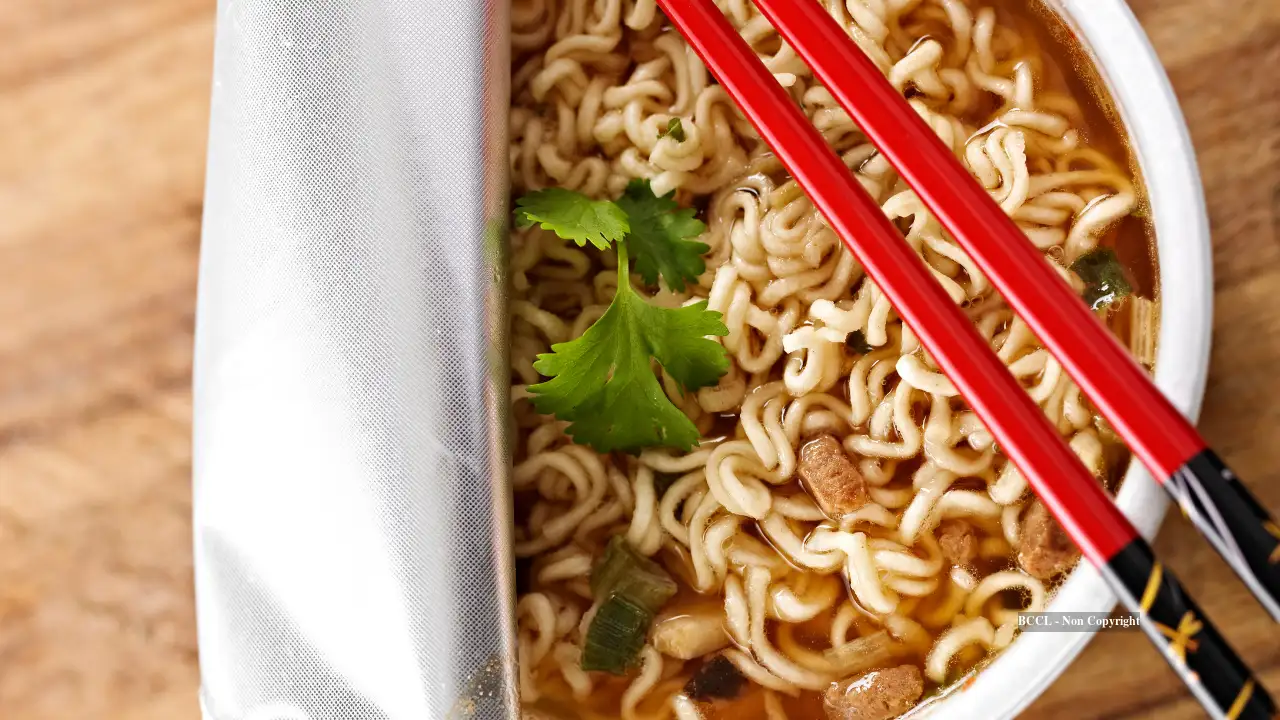
The toughest question parents across the world battle with every morning is what to serve my child for breakfast. Amidst the hustle and bustle of trying to get to school on time, the most important meal of the day often gets neglected. What children eat before school can influence how long they stay full and feel energised. The first meal of the day can also affect their concentration in class . The problem is not sugar or calories. It is the larger design of the meal: whether it contains protein, fibre, useful fats and micronutrients; whether it is filling enough; and whether it has been engineered to be eaten quickly instead of slowly and mindfully. On this note, let’s have a look at some of the best breakfasts for kids: Cereal for children is often high in sugar content A cereal bowl seems like the easiest option for breakfast: add milk, pour your cereal and you are done. But more and more children’s cereals are closer to dessert than to a nutritious meal. So before you buy any cereal, do check the back of the packet for its nutritional value. That is why nutritionist Rujuta Diwekar has repeatedly advised parents through social media posts to avoid making packaged and processed food the default breakfast. She advises a simple alternative: fresh food like poha , upma , idli , dosa , paratha or dalia . Juicing fruits can reduce its fibre content Fruit juice is often presented as a healthy shortcut. But juice removes much of the fiber that makes whole fruit filling, and it is easy to drink a large amount of sugar in a few minutes. The World Health Organisation classifies sugars naturally present in fruit juice and fruit-juice concentrates as free sugars, and recommends limiting free-sugar intake across the life course. It also notes that sugar-sweetened drinks do not create the same feeling of fullness as solid food. Water, milk, or whole fruit alongside a proper meal is usually a more useful morning habit. If a child likes juice, it need not become forbidden forever; it simply should not replace a full breakfast every day. Nutritionists often advise against having jam and toast for breakfast Two biscuits or slices of white toast with jam may solve a time problem, but they do not solve a nutrition problem. This combination is predominantly refined carbohydrate and sugar, with little protein and limited fibre. Pooja Makhija , celebrity nutritionist, has warned against beginning the day with sweet combinations such as bread-jam, biscuit, corn flakes, and juice, arguing that a sweet-heavy breakfast can produce a sharper rise in blood sugar than a more balanced meal and be addictive. A more complete option could be toast with egg, paneer, peanut butter or hummus, plus fruit. Flavoured milk can enhance the taste, but not necessarily be nutritional Flavoured milk, chocolate powders and malt-based drinks are often marketed as nourishment in a glass. Some may contain useful nutrients, but they can also add sugar and encourage children to reject plain milk or water. In her book, Notes For Healthy Kids , Rujuta Diwekar advises, “If you can only drink milk by masking its taste, then don’t have it. Often the chocolate powders, claiming to make your child taller and stronger, are filled with sugar, and a high-sugar breakfast causes more harm than good. Instant noodles in itself does not provide a lot of nutrition Instant noodles, chips and packaged savoury snacks can be high in sodium and refined carbohydrates while providing little protein or fibre. They are also easy to eat while distracted, in a car or on the way to school. Children may finish the food without registering whether they are full. A meal that is eaten in three minutes from a packet is not equivalent to a meal that contains several food groups and is eaten with some attention. This does not mean that noodles have to be completely eliminated. They are okay if served occasionally, adding vegetables, paneer or tofu to make the meal more substantial. Stimulants like tea and coffee are not needed by children Children do not need caffeine to compensate for inadequate sleep, early school timings or an overloaded schedule. Tea and coffee can also suppress appetite, meaning a child may consume a stimulant instead of eating a proper breakfast. They are not a breakfast, a study aid or a safe substitute for sleep. A useful test is not, “Does this food contain sugar? Almost every normal diet can include some sugar. The better questions are: Does the meal contain a source of protein? Is there fibre from fruit, vegetables, pulses or whole grains?
The morning routine should address the underlying issue: an earlier bedtime, prepared food or a more realistic school schedule; rather than make a child dependent on stimulation.


Will it keep the child reasonably satisfied until the next eating opportunity? Is the drink adding nourishment, or merely sweetness? Can the child eat it without rushing or using a screen? Is this an occasional convenience or the default breakfast every morning? Children should not be frightened away from food, and parents should not be made to feel guilty about every rushed morning. The goal is to stop treating highly processed, sweet or stimulant-heavy products as the natural starting point for a school day. A banana with milk and nuts, an egg with roti , vegetable poha , idli with sambar , dal chilla with curd or leftover dal and rice can all be perfectly reasonable breakfasts. The best morning meal is the one that gives a child nourishment, steadier energy and a realistic chance of making it through the school day without breakfast becoming another source of stress for the parents. You use AI every day. Now get your AI Quotient. Take the AIQ test Get the latest Lifestyle News and more. Download the TOI app.