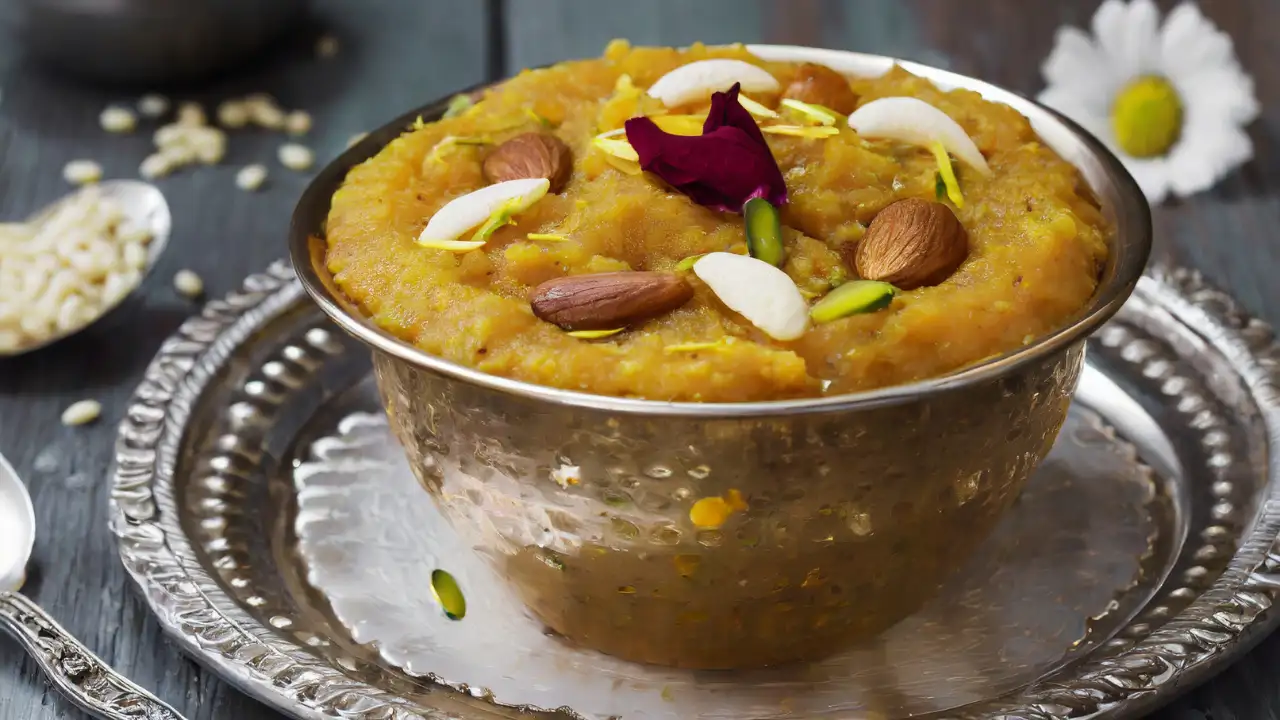
Sometimes the most comfort you can get is from a bowl of your favourite food.
Other research by PubMed found that people who reported eating when stressed, angry or bored gained more weight during quarantine than those who did not. Everyone goes through hard times. When the world becomes cold and rough, we all crave a warm fuzzy blanket of comfort: something to wrap us in and protect us from the harsh cold world. For some, that comfort is a person. For some, it might be some time alone listening to their favourite beats. And for some, that comfort lies in a bowl of their childhood favourite food. Studies of adults with obesity likewise associated pandemic weight gain with worsened mental health, stress eating and greater consumption of takeaway and comfort foods. The lesson is not that comfort food is inherently harmful, but that during prolonged uncertainty, food can quietly become a primary emotional regulator. Craving your childhood comfort food may be less about the food itself and more about what it restores: familiarity, care, connection and a temporary sense of control. Science suggests that these cravings are real psychological responses, shaped by memory, attachment and stress and not merely indulgence.
Or, it could be the delicious sweet treat your grandmother prepared for you on the first day of your summer vacation, when you packed up your entire 2 months and completely migrated to her house. Because it was familiar, easily available, or useful across different moods, showing that comfort eating is shaped by habit and accessibility as much as by sentiment, the study also found that people often choose a comfort food.
Psychology says, people who crave childhood comfort foods may be seeking more than just familiar flavours. It could be your morning breakfast, the one your mother fed you every morning reluctantly before school. That same breakfast you once dreaded reminds you of her warmth and comfort. Research on food-evoked nostalgia published by Taylor & Francis, finds that food is a powerful trigger for nostalgia, and that these memories are often emotionally positive, familiar and tied to one’s sense of identity. In other words, when life feels uncertain, food can become a small, reliable ritual. It offers a predictable sensory experience when the outside world feels unpredictable.
A food can act as a shortcut to an earlier self: a smell, texture or taste retrieves autobiographical memories and, with them, the people and feelings attached to them.