Here are 14 iconic sweets that capture the flavours and heritage of different parts of the country. India’s sweet traditions are as diverse as its languages, landscapes, and festivals. Every region has a dessert that tells a story, whether it was created in a royal kitchen, perfected by temple cooks, or passed down through generations of home bakers. some remain deeply tied to the state that made them famous While many Indian sweets have travelled far beyond their place of origin.
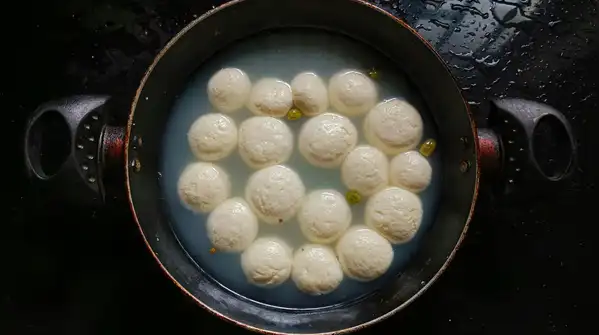
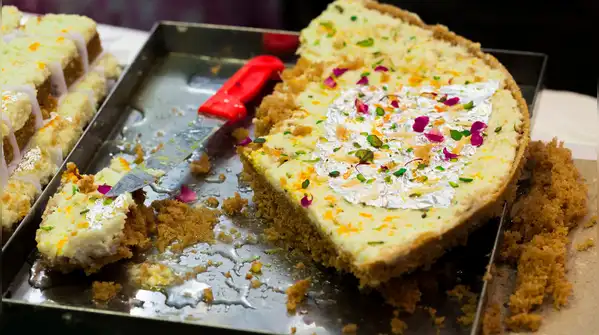
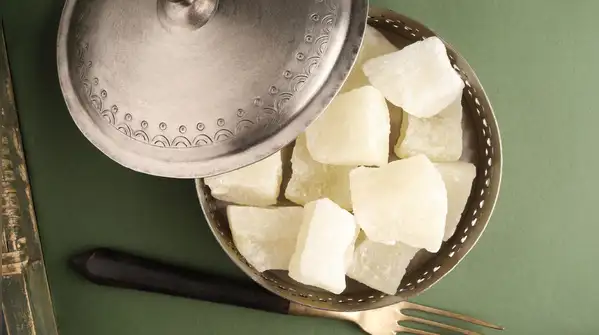
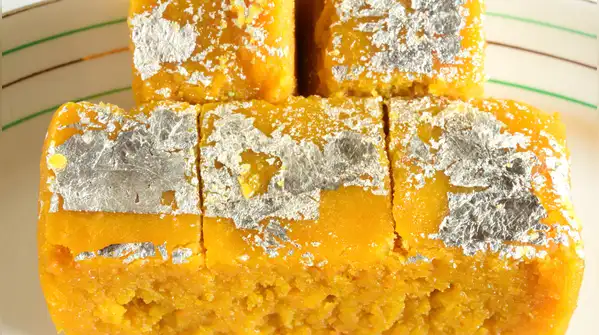
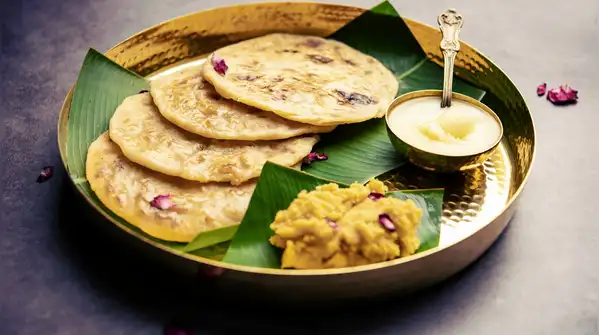
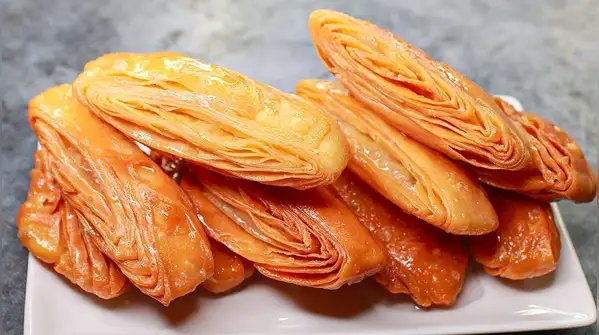
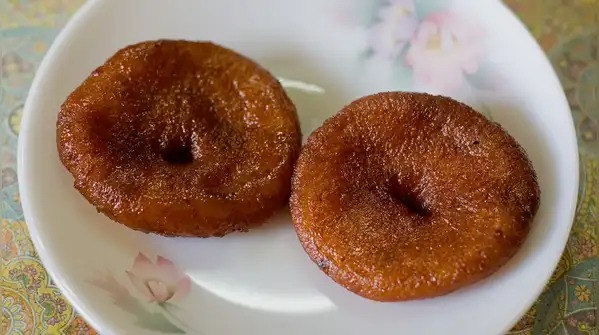
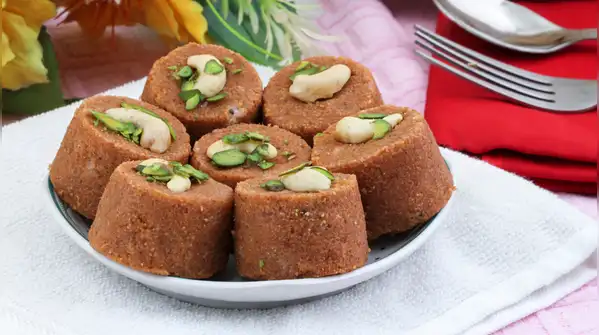
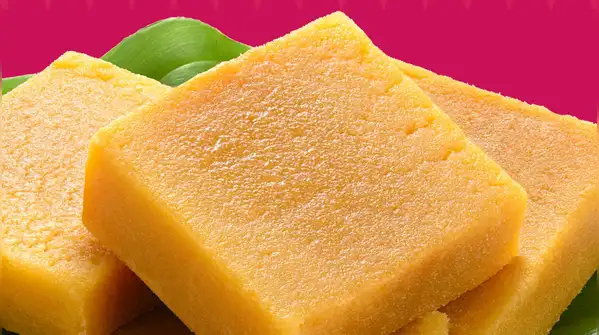
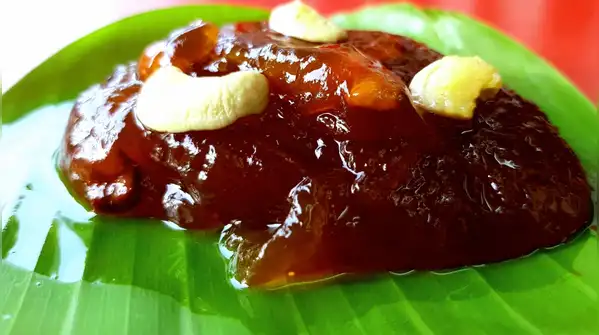
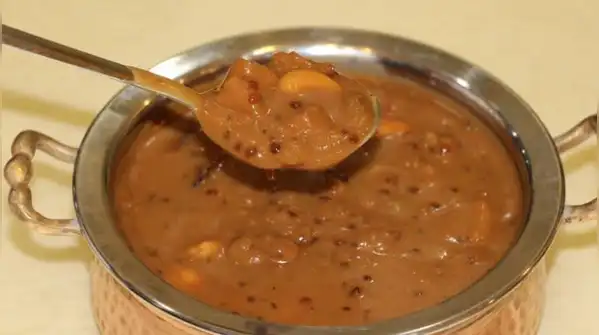
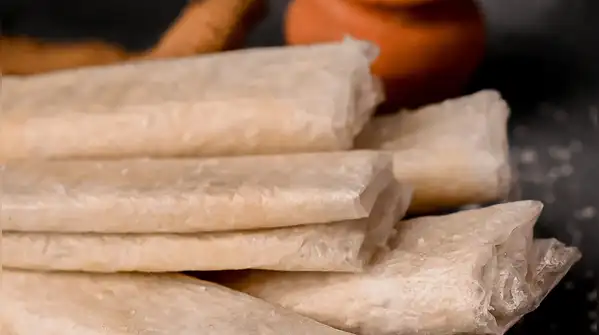
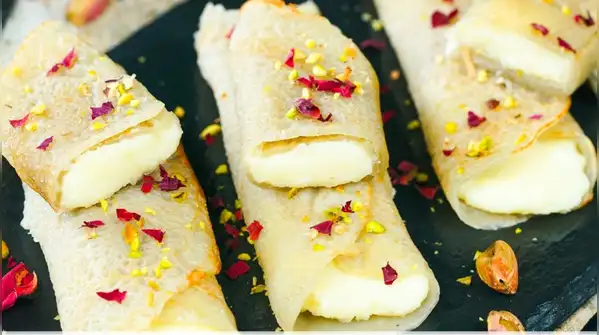
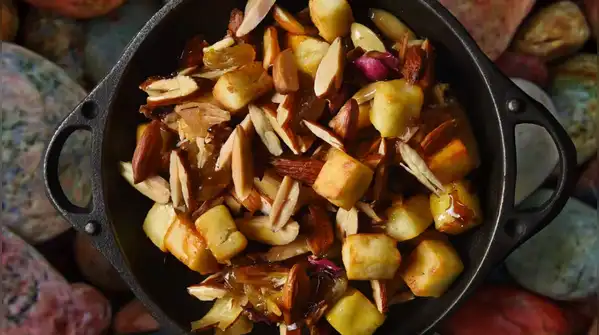
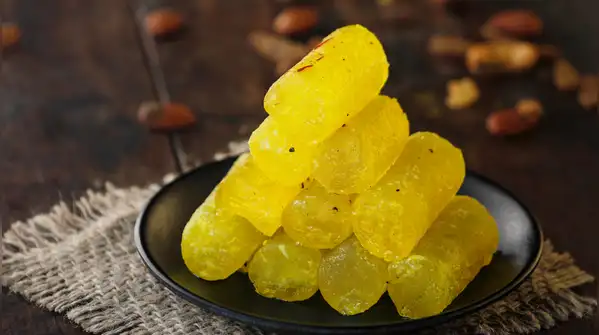
Literally meaning “burnt cheese,” chhena poda is made by baking fresh chhena with sugar, semolina, and cardamom until it develops a beautifully caramelised crust. Often called the “paper sweet,” pootharekulu consists of paper-thin rice starch sheets wrapped around a filling of powdered sugar or jaggery and ghee. Few sweets spark as much passion as the humble rasgulla. Made from soft balls of chenna simmered in light sugar syrup, it is celebrated for its delicate texture and melt-in-the-mouth sweetness. Whether served chilled or fresh from the pot, it remains one of Bengal’s most beloved desserts. A monsoon favourite, ghewar is instantly recognisable by its honeycomb-like structure. Made from flour, ghee, and sugar syrup, it is often topped with rabri, nuts, or silver leaf. The sweet reaches its peak during Teej and Raksha Bandhan celebrations. Agra’s famous petha proves that ash gourd can become something extraordinary. Rich, crumbly, and fragrant with cardamom, mohanthal is prepared using gram flour, ghee, and sugar. Traditionally offered during festivals and religious ceremonies, it is a staple in Gujarati households. Part flatbread and part dessert, puran poli combines a soft wheat dough with a filling of chana dal, jaggery, cardamom, and nutmeg. Served warm with generous amounts of ghee, it is synonymous with festive meals across Maharashtra. Light, flaky layers held together with sugar syrup make khaja an enduring favourite. Closely associated with the temple town of Rajgir and religious offerings, this crisp sweet has been enjoyed for centuries. Its smoky flavour sets it apart from almost every other Indian dessert. Packed with wheat flour, desi ghee, jaggery or sugar, and dry fruits, pinni is comfort food in sweet form. Traditionally prepared during winter, it is valued as much for its nourishing ingredients as its rich taste. Created in the royal kitchens of Mysore, this legendary sweet uses just three basic ingredients: gram flour, sugar, and plenty of ghee. The result is a rich, buttery dessert that crumbles effortlessly with every bite. This glossy wheat halwa has earned a devoted following for its silky texture and generous use of ghee. The recipe has been carefully preserved for generations, making it one of Tamil Nadu’s most treasured sweets. Served during Onam feasts, ada pradhaman is a luxurious payasam prepared with rice flakes, jaggery, coconut milk, and roasted coconut pieces. Every spoonful reflects Kerala’s love for coconut and jaggery-based desserts. Despite its delicate appearance, it delivers remarkably rich flavour. In Assam, pitha is much more than a festive snack. Prepared during Bihu, these rice-based treats come with fillings like coconut, sesame, and jaggery. Some are steamed, others roasted, but all celebrate the state’s agricultural traditions. Unlike syrup-soaked sweets, shufta is a luxurious mix of dry fruits, paneer, spices, honey, and saffron. Traditionally served at Kashmiri weddings, it offers warmth, richness, and an unmistakably royal finish.
Slow-cooked in sugar syrup until translucent, the sweet is available in dozens of flavours today, from saffron to paan, though the classic version continues to win hearts.