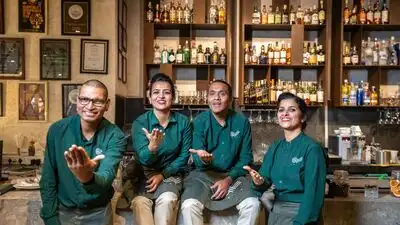
The Ishara Team
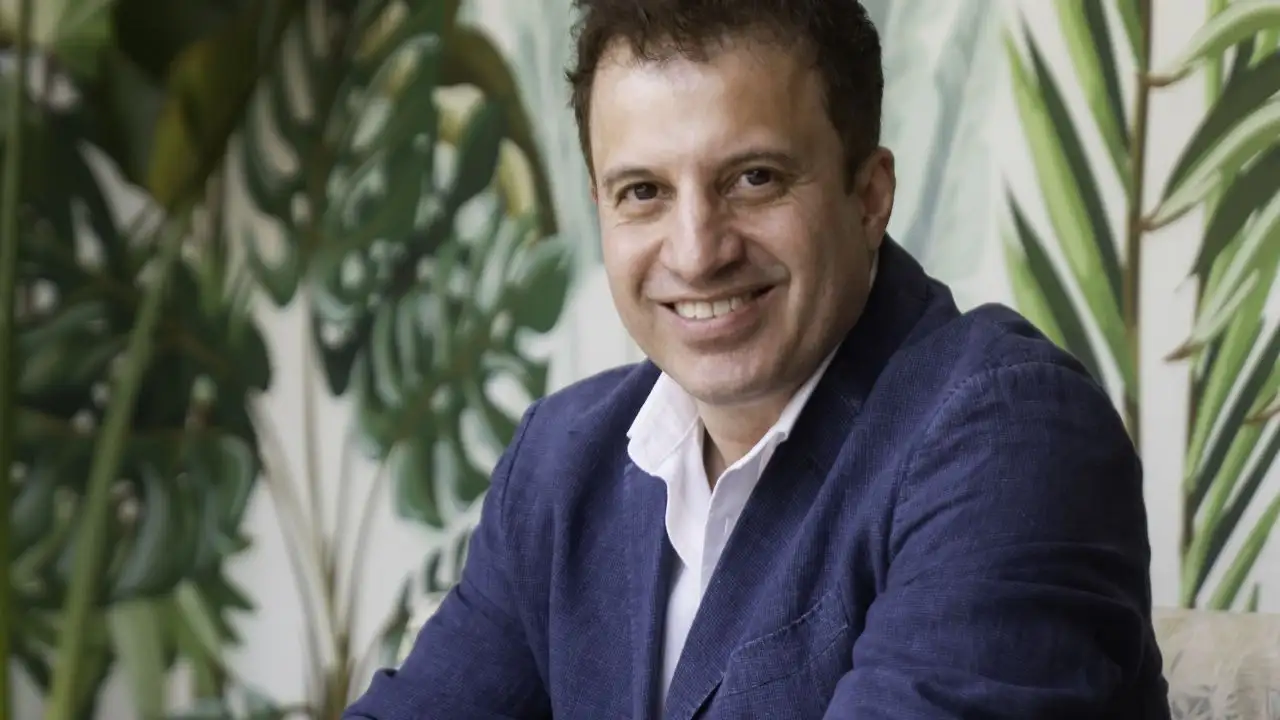
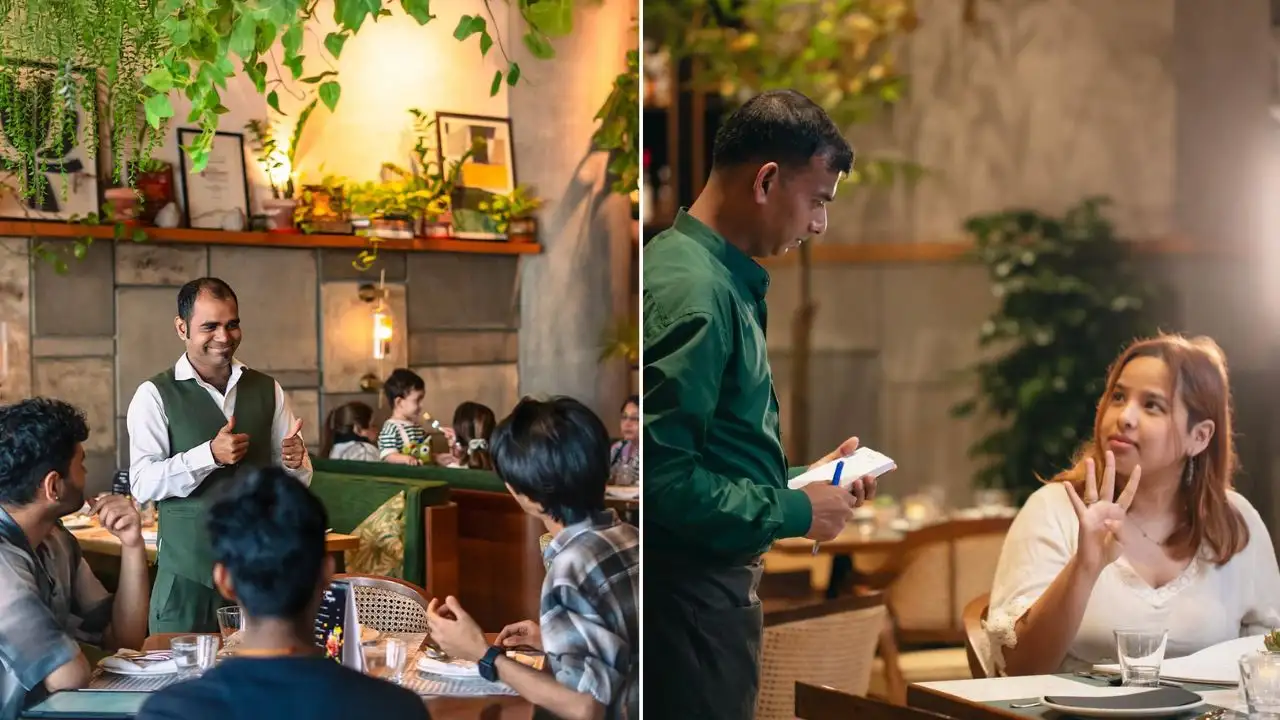
What if they couldn’t hear a word you said or understand what you were trying to tell them? In a world where people with disabilities are often considered “misfit”, an MBA in the UK, a Facebook video about a restaurant in Canada and a desire to build a profitable business with a social purpose eventually came together to create Ishara. We go to restaurants for the perfect dining experience. Crisp white tablecloths, glittering cutlery, fine china, and impeccably dressed, polite servers who rush to your table at the blink of an eye, everything is designed to make you feel special. But what if the servers couldn’t speak? Surely, that couldn’t happen in a restaurant, could it? For many people, a restaurant is simply a place to eat. For some, it can become a place where a life changes, where a person who was once hesitant to speak up within their own family becomes an earner, a professional and someone who finally has “a voice in the family. That is the story behind Ishara, the modern Indian restaurant chain co-founded by Prashant Issar, which employs people with hearing disabilities in its front-of-house operations. What began with one restaurant has now grown to nine Isharas across five cities in India.
Because a kitchen is about skill and experience, and it can also be a dangerous place for someone who cannot hear.”, i felt that they were not necessarily suitable for the kitchen. After returning to India worked for about two years before taking the entrepreneurial plunge. I then started Strategy, a company I ran from home, with its name inspired by the two principles I had acquired. That is when I came across a video on Facebook about a restaurant in Canada called Signs. It had a concept similar to what we have at Ishara. When I saw that video, I immediately realised that this was something I wanted to explore. But I also felt that the model could be done differently. The restaurant in Canada was employing deaf people in the kitchen, in the front of house and everywhere.
The median is around 50%. Because ultimately you lose the customer, but the biggest cost is actually the cost of mistakes,.
“Sometimes we walk into a restaurant and the expression on the server’s face says, “Oh my God, another customer. I wanted to give the customer that experience with minimal intervention, while ensuring that they got good-quality food and service.” says Issar. Once he started thinking about the restaurant, he realised that the interaction between a server and a customer is actually very important. You are ordering a dish without actually trying it, so you are putting your trust in the person serving you. If the server is not committed or not focused, the experience will suffer. ” There is no smile. Embarrassingly, people don’t smile at all. Here I was meeting this bunch of people who were smiling even when they were communicating with me. That stayed with me. I felt the customer doesn’t come to a restaurant to be educated. The customer comes to a restaurant to have an experience. He knew that one of the biggest costs in a restaurant is recruitment and training. In restaurant business, attrition is very high. Training is always an issue. One ends up getting new staff, training them for a year, and then they make mistakes that affect the customer experience.