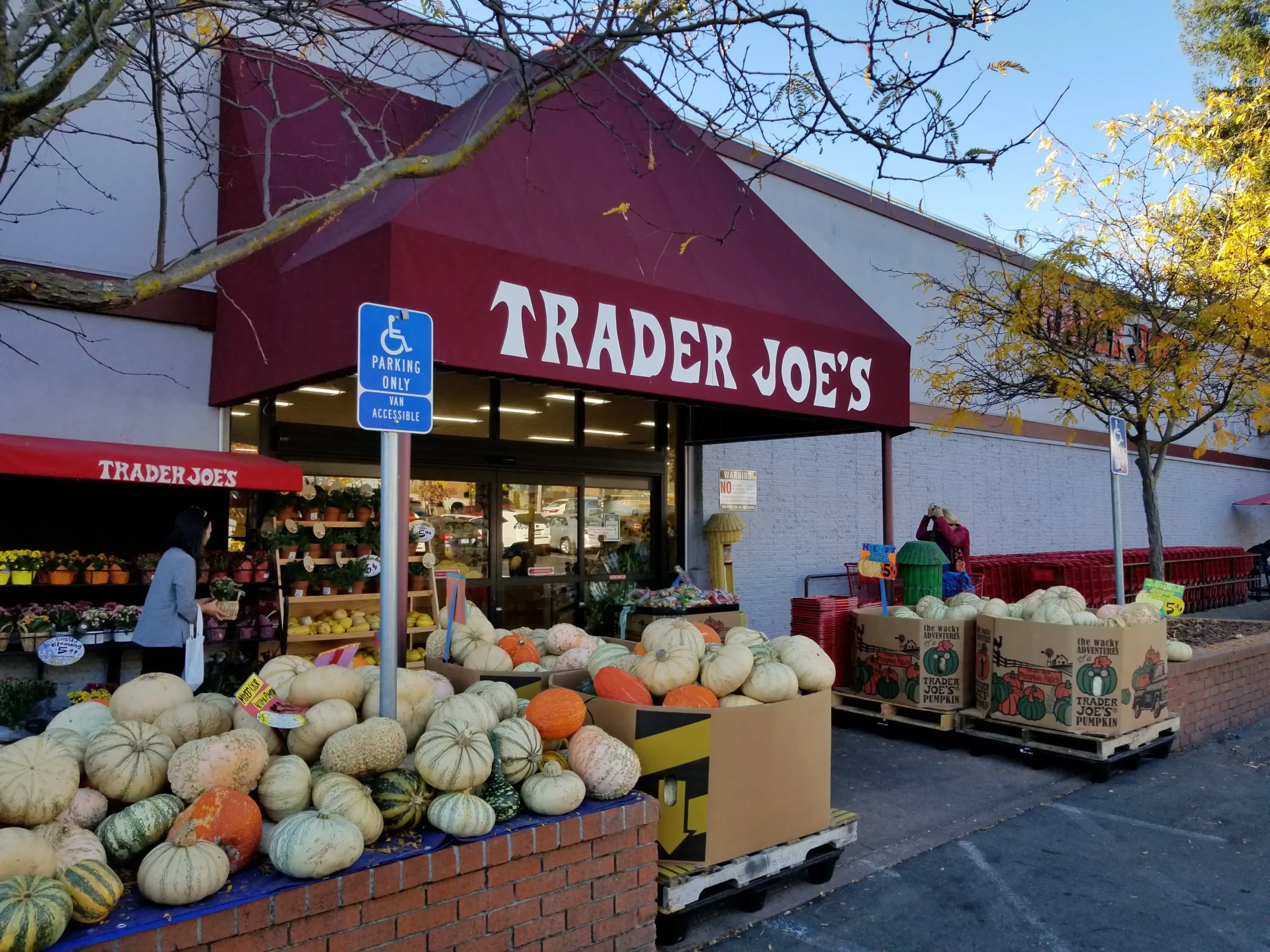
The research analysed responses collected between June 2025 and June 2026, and compared Americans in higher-income households with those in middle- and lower-income households. The grocery shopping scene in the United States is a whole different ball game. From warehouse clubs and discount chains to speciality supermarkets, Americans have plenty of options when it comes to stocking up their kitchens. For budget-conscious shoppers, factors such as the best deals, proximity to home, and familiarity with a store can influence grocery habits. But what about the wealthiest? Where do these ultra-rich Americans fill their carts? A new YouGov survey has examined the grocery habits of affluent households in the US. richer Americans’ purchasing habits tell a story about access, time, and what they value While lower-income households are more likely to shop at Walmart and Walmart Supercenters.
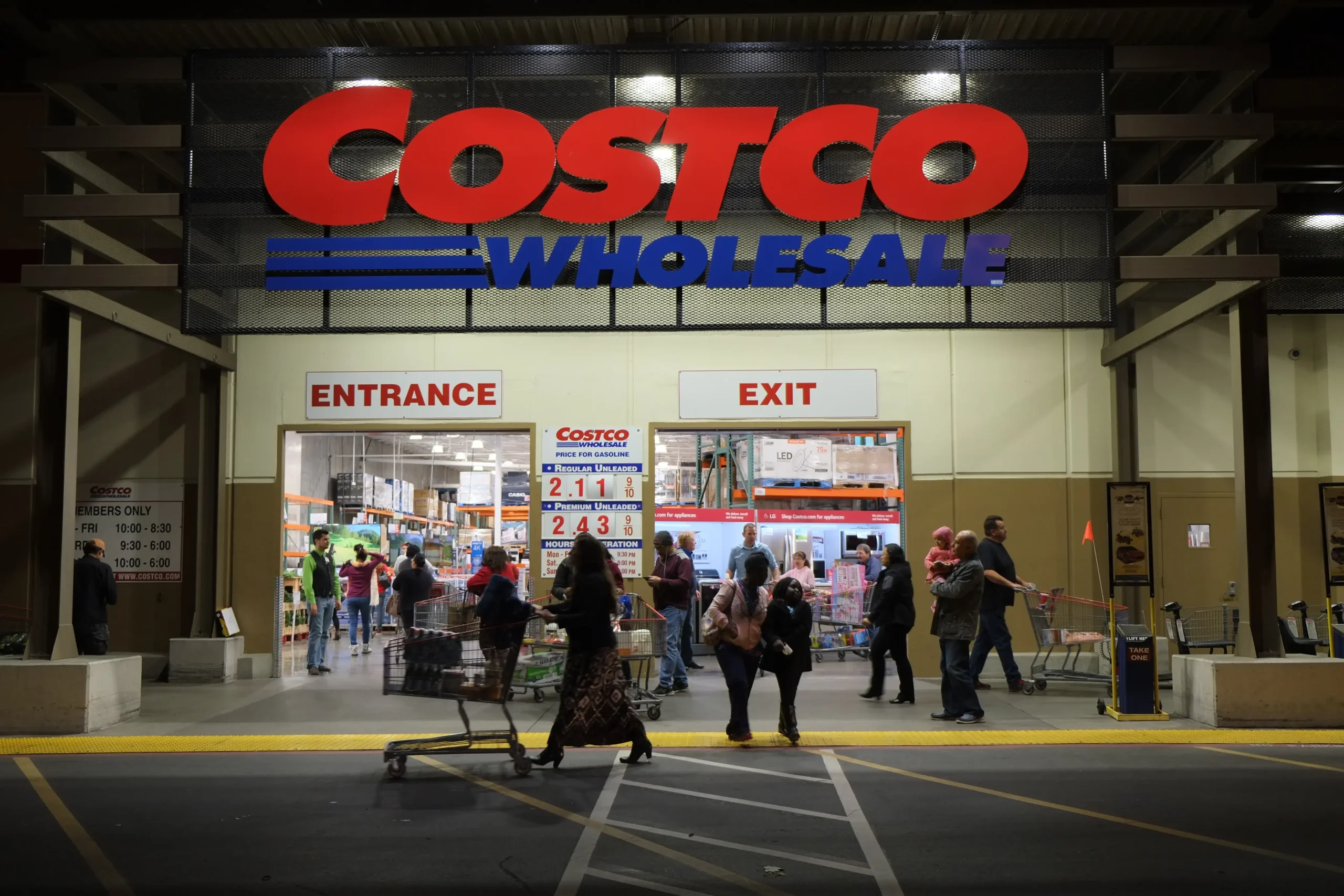
Costco Popularity Among High-Income Shoppers Grows
Recent data shows that 11% of high-income Americans, defined as those earning $150,000 or more annually, consider Costco their primary grocery destination. This contrasts with only 5% of middle- and lower-income Americans, who earn between $49,999 and $149,999 per year. The findings indicate a growing trend among affluent shoppers towards bulk buying at Costco, positioning it as a leading choice for their grocery needs.
A household spending $150 weekly on food ($7,800 annually) operates on a completely different scale from one spending less. However, the gap is significant. Costco requires membership, carries premium private-label goods, and operates on an entirely different shopping model. This includes larger quantities, higher price points per item, and lower per-unit costs over time. For Costco shoppers, it’s about buying in bulk for better value. But for this, you need money upfront, storage space at home, and the confidence that you’ll use those bulk purchases before they expire. Not everyone can afford to play that game. This preference is also influenced by what the chain sells. One shopping trip to Walmart can take care of groceries, household essentials, clothing, and electronics all at once. For lower- and middle-income shoppers, this efficiency matters, along with lower prices. These figures point to more frequent grocery runs among affluent shoppers, but the survey does not explain why. Some of the factors could include demand for fresh food, speciality items, rotation of perishables, or simply the luxury of shopping for meals a few days out rather than planning for a month. This gap is significant. This means affluent households allocate substantially larger budgets for groceries. This reflects their higher purchasing power and also potentially different shopping preferences.