
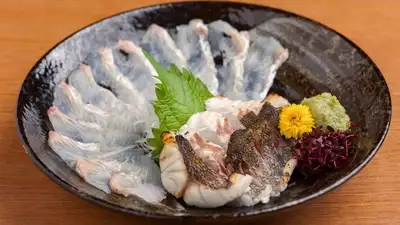
Fugu sashimi (Image credit: Canva)
A popular delicacy in Japan, fugusashi is one dish prepared using this fish, in which it is sliced paper-thin, so much so that it looks nearly translucent, allowing the plate beneath it to be seen. When eating a delectable food, the thought that it can kill you is never the first thing that comes to mind, let alone something that makes it to the list of concerns. But some foods carry dangerous toxins, especially certain types of seafood we may not know much about. Food, in itself, is not always something that can be prepared or understood easily, but it is in the art of cooking that lies the difference between eating a food item in its healthy, non-toxic form and consuming something that can be harmful. Around the world, many delicacies contain ingredients that we are not only unfamiliar with but also unaware of what they can do. Food has long been one of the most fascinating ways to explore different cultures, making it incredibly crucial to understand how certain ingredients must be prepared and consumed. But what happens when a dish that is considered a delicacy also carries the risk of poisoning? Artfully presented in the shape of a crane, the dish is sometimes served with green onions and eaten with ponzu sauce, a citrusy, soy-based sauce, along with chilli and daikon radish. Despite its delicate presentation, Fugu remains a dish that requires exceptional care in its preparation, as the toxin cannot be destroyed through ordinary cooking.
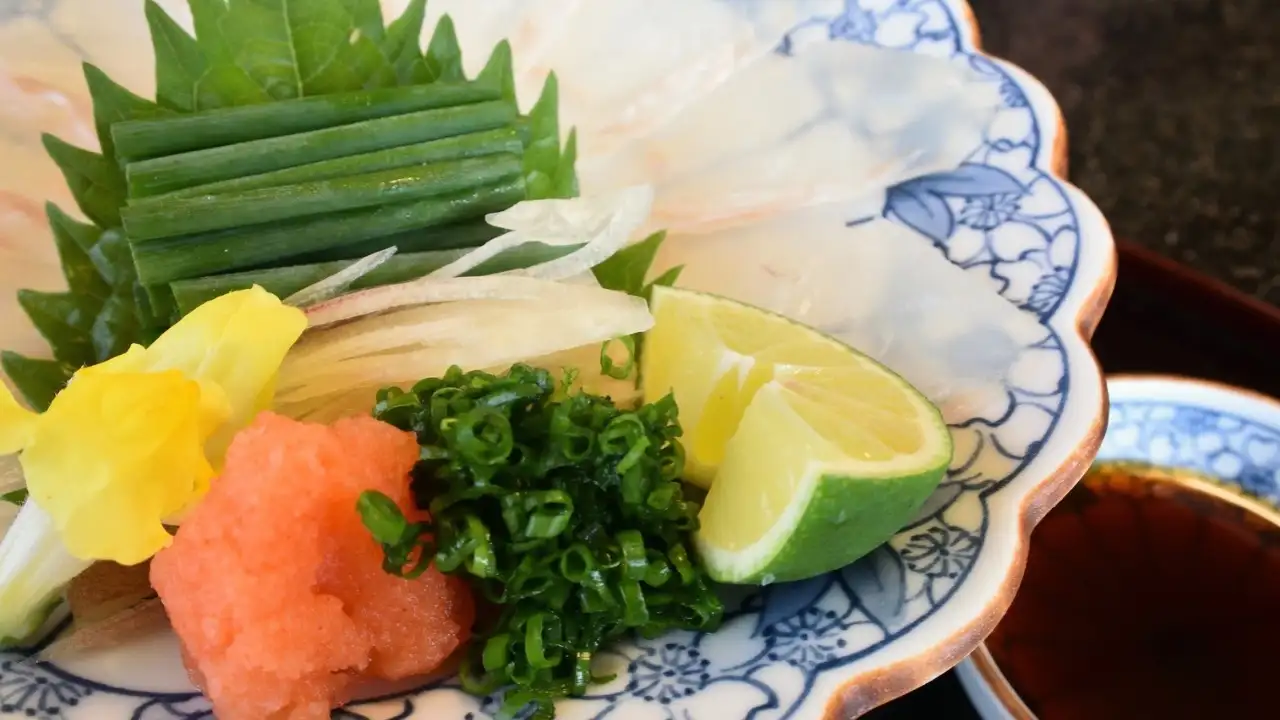
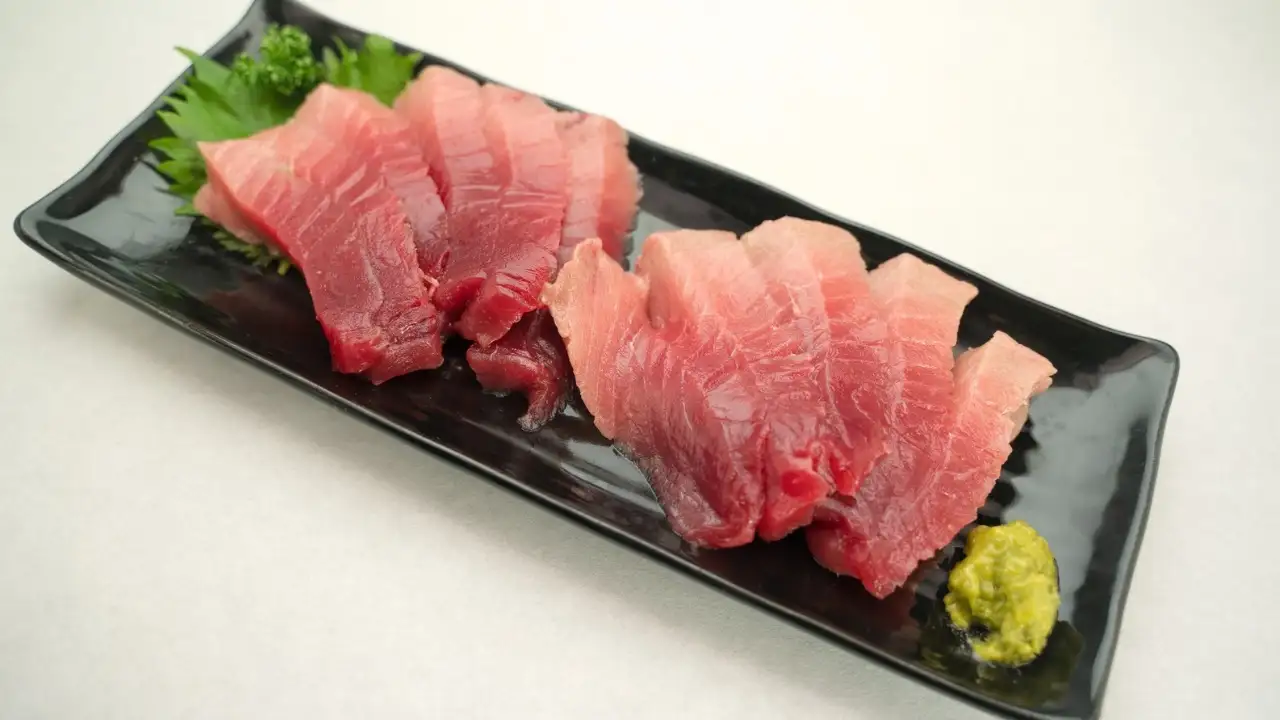
Therefore, it becomes crucial to know where the fish is sourced from and to avoid cooking and consuming certain high-risk parts of the fish, like its liver and head. Red snapper is not an innately toxic or poisonous fish; however, it can cause deadly ciguatera fish poisoning, a foodborne illness caused by eating tropical fish that contain ciguatoxins, which are heat-stable, meaning that cooking them with heat will not destroy them. It is traditionally cooked whole or in fillets. A popular dish in India is a Kerala-style chemballi meen curry, where the fish is pan-seared in a tangy, buttery sauce. When we travel the world and explore cuisine and culture through food, it becomes important for us to understand the safety concerns that can come with certain delicacies. Food has never been cooked or eaten in the same manner around the world, but within each food item lies a whole world of nutrients, flavours and, sometimes, toxins that we may never know about.