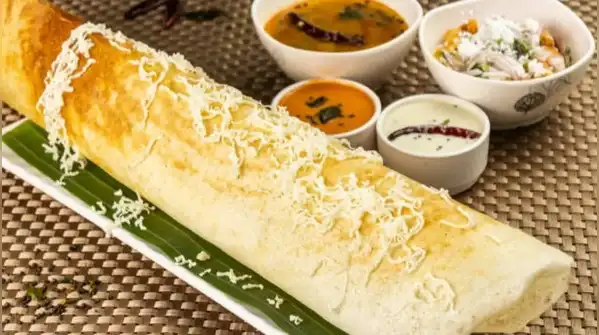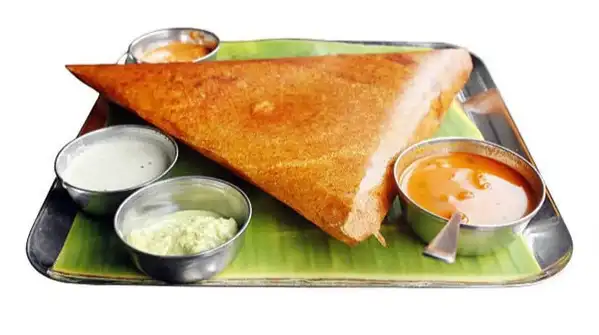
You mix the batter, heat the tawa, pour a ladle and wait for a thin, golden, crackly dosa. Instead, you get something pale, floppy and slightly damp in the middle. Many home cooks blame the batter, but the most common culprit is simpler: pouring batter onto a pan that is not hot enough. When the surface is too cool, the batter steams instead of crisping, and the dosa turns soft and sticky. Here is a five-step look at why it happens and how to fix it.

A good dosa crisps the moment batter meets a properly hot surface. The heat sets the underside quickly and drives off moisture, which creates that lacy, golden texture. On a pan that is only warm, the batter sits and slowly cooks, soaking up its own moisture. The result is a thick, pale dosa that tears when you lift it and never turns crisp, however long you leave it on the flame.
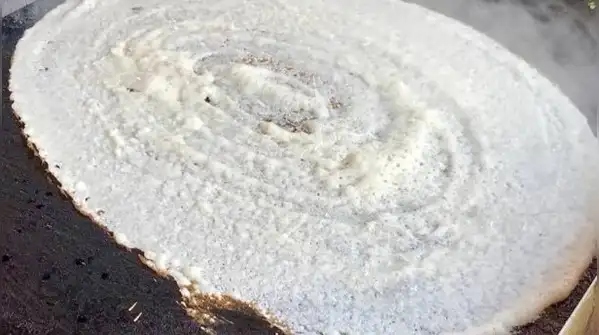
Cool it slightly before spreading
Because even a perfectly crisp dosa goes soft if it sits stacked on a plate, serve it straight from the pan with sambar and chutney,. Place the tawa on the flame for a few minutes before you start, until it is evenly hot. A quick test is to sprinkle a few drops of water on the surface. If they sizzle and vanish quickly, the pan is ready. If they sit and simmer lazily, wait a little longer. Cast iron and heavy-bottomed pans take longer to heat, but they hold the temperature better and give the crispiest results. Here is where many people go wrong in the opposite direction. A pan that is smoking hot makes the batter set before you can spread it, leaving a thick, patchy dosa. After heating the tawa, lower the flame and wipe the surface with half an onion or a damp cloth to bring the temperature down a touch. Then pour the batter in the centre and spread it outwards in quick, light circles. This balance of hot but not scorching gives the thin, even finish you want. Drizzle a little oil or ghee around the edges and let the dosa cook on medium heat until it turns golden and lifts easily. Resist the urge to move it early, since it releases by itself when it is ready. For the next one, wipe the pan again and let it recover its heat before pouring. This article is intended for general informational and cooking purposes only. Results vary with the batter, the type of pan, the flame and individual technique. Handle hot pans, oil and open flames with care, and keep children away from the stove. People with food allergies or dietary restrictions should check ingredients before use.
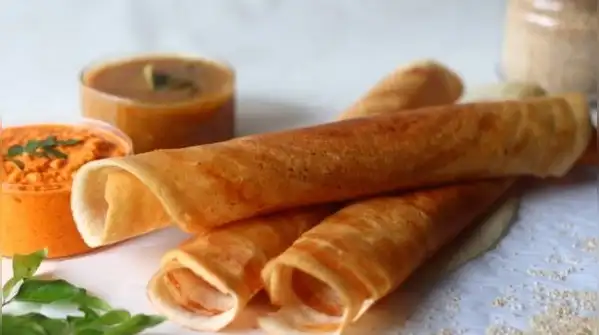
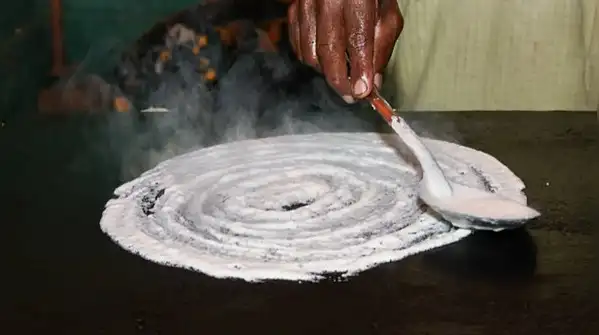
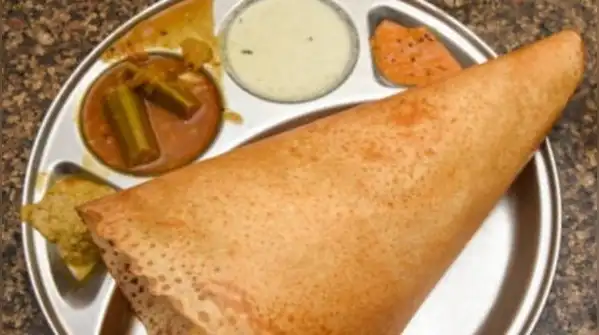
A cool pan is the main mistake, but a few small habits matter too. Batter that is too thick will stay soft, so aim for a pourable consistency like thick buttermilk. Let cold batter from the fridge come to room temperature first, since chilled batter cools the pan the moment it lands. Spread gently without pressing down, and avoid pouring a second ladle for the same dosa, as extra layers trap steam.