
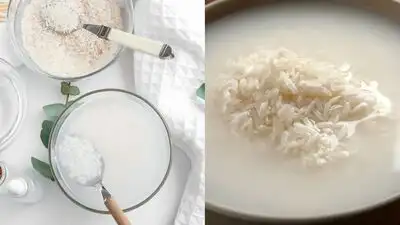
Long before manufactured cosmetics hit store shelves, people relied on whatever came out of their kitchens to stay clean and healthy. Rice water, which is basically the cloudy liquid left over after washing or boiling rice was one of the easiest remedies to come by. Instead of pouring it down the drain, communities across Asia, Africa, and the Americas found real, everyday uses for it on their skin, hair, and around the house.
High up in the mountains of Guangxi, China, the women of the Red Yao village are famous for hair that stretches down to their ankles and stays jet-black well into their eighties. Their routine hasn’t changed much over the centuries.
Because it got the job done, it is a plain, cheap habit that survived for thousands of years simply. In Korea during the Joseon Dynasty, rice water was called ssal-mul and had a place in almost every home. Women used the water from the first couple of rinses to wash their faces, relying on the natural starches to cut through dirt, soothe dry skin, and clean off sweat. Beyond skin care, rice water was handy in the kitchen—households used its starchiness to scrub grease off dishes before dish soap existed. Across India, the hot water drained from cooking rice known locally as kanji or mand was rarely wasted. People drank it hot with a pinch of salt to settle sick stomachs, recover from fever, or stay hydrated during brutal summer heatwaves. Women also rubbed it into their hair before bathing to protect it from the dry sun, and used the cooled starch to stiffen thin cotton clothes so they held their shape. Why the routine People back then didn’t need lab reports to see that rice water worked, but the reasons behind it are pretty simple. Grains of rice release vitamins, minerals, and carbohydrates into water when soaked or boiled. Fermenting that water boosts its acidity and makes those nutrients easier for skin to soak up.