
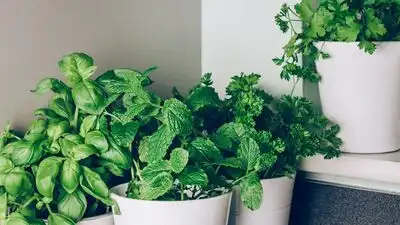
Are you someone who feels that keeping houseplants is no less than a guessing game? Then you need to read this! As one week they look thriving, and the next they are dropping leaves or drooping over the pot. The good news is that indoor gardening does not require a green thumb; it just takes a bit of understanding about what plants experience inside our homes. Unlike their outdoor counterparts, indoor plants live in a controlled microclimate where light, air, and moisture are entirely dictated by human habits. By tuning into the small details of their daily environment, you can easily turn a struggling houseplant into a thriving, vibrant fixture of your home.
If your home lacks natural brightness, don’t worry—simple LED grow bulbs can easily step in to bridge the gap.
Overwatering remains the number one killer of indoor plants. It is tempting to stick to a rigid schedule like watering every Sunday, but the moisture needs of soil shift constantly depending on indoor heating, humidity, and the season. Always check the soil before reaching for the watering can. Push your finger about an inch deep into the dirt; if it feels dry and crumbly, it is time for a drink. If it still feels damp or sticks to your skin, leave it alone for a few more days. When you do water, soak the soil thoroughly until excess water drains out the bottom hole, and never let the pot sit in a puddle of standing water. Our homes are built for our own comfort, which often means dry air from heaters in the winter and crisp air conditioning in the summer. Unfortunately, many popular houseplants originate from humid tropical jungles and struggle with arid indoor air.You can boost humidity around thirsty plants by grouping them together, placing a pebble tray filled with water beneath their pots, or running a small humidifier nearby. Also, try to keep your plants away from drafty windows, active air vents, and ceiling fans, as sudden temperature shifts can shock delicate foliage. Indoor plants live in a finite amount of soil, meaning they eventually use up all the available nutrients. Giving them a diluted, balanced liquid fertilizer once a month during their active growing season in spring and summer provides a nice, steady energy boost.Dust is another sneaky problem for indoor plants. A thick layer of dust on broad leaves acts like sunglasses, blocking out the precious light they need to photosynthesize. Take a damp cloth every couple of weeks to gently wipe down the leaves of plants like monsteras and fiddle leaf figs, keeping their pores clean and ready to breathe! What type of indoor plants do you currently have at home, and which one has given you the biggest challenge so far?