
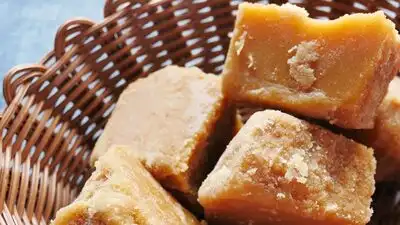
In Hindi it’s called “gur,” and a mere addition of it, what gives chai its sweetness, makes kheer rich and turns chikki and laddoos into childhood favorites. Long before white sugar became common in homes, jaggery was the sweetener people used, passed down from parents to children. This natural sweetener can instantly elevate the taste of any drink or delight! And it’s not about food. Jaggery is tied to the lives of farmers in India’s sugarcane-growing areas. Fresh sugarcane juice is boiled down into brown blocks using a method that’s stayed the same for hundreds of years.
In 2023 Muzaffarnagar Gur got a Geographical Indication, or GI tag. In March 2025 a shipment of 30 tonnes of GI-tagged jaggery was sent to Bangladesh. Because they make it but because they build their lives around it, muzaffarnagar is known as the Jaggery capital of India In Uttar Pradesh , this one city stands out for its connection to jaggery, and it is not only.
The district’s official website even says its jaggery market is the biggest in the world. Even though “Jaggery Capital of India” isn’t a government title, Muzaffarnagar’s huge market, strong farming roots, and GI-recognized product make it a very real and strong claim. Muzaffarnagar, in Uttar Pradesh, is often called the heart of India’s jaggery trade. That’s not a slogan. The region grows so much sugarcane that it’s part of why Uttar Pradesh is known as the Sugar Bowl of India. Muzaffarnagar sits in the middle of that sugarcane belt. The soil there is rich and good for farming. For generations sugarcane has been the crop, and farming is still the main job for most people. Over time this farming tradition turned into a jaggery market. It didn’t happen fast. It grew slowly year after year as more people made and sold gur. How is jaggery actually made? The way it’s made hasn’t changed much as it starts with sugarcane crushed to get the juice. That juice is. Then boiled in big open pans. As it heats, the water evaporates, leaving a syrup. When it’s ready, it’s poured into molds. Cooled to become solid blocks. Unlike sugar, jaggery keeps some of the molasses and minerals from the sugarcane. That’s why it can be dark or light, sweet or earthy depending on how it’s made and what kind of cane is used. It’s not just for desserts. You’ll find it in chutneys, savory dishes, and even in drinks. This process supports thousands of farmers, small processors, and traders across India’s sugarcane regions. City’s jaggery earns formal recognition Muzaffarnagar’s link to jaggery is now more than tradition or trade. That means the product is officially tied to that region. Haritzone Farmers Producer Company Limited is listed as the applicant in the GI registry. The gur from Muzaffarnagar is also part of Uttar Pradesh’s One District One Product initiative, which helps promote goods. All thanks to a group of local farmers. You use AI every day. Now get your AI Quotient. Take the AIQ test Get the latest Lifestyle News and more. Download the TOI app.