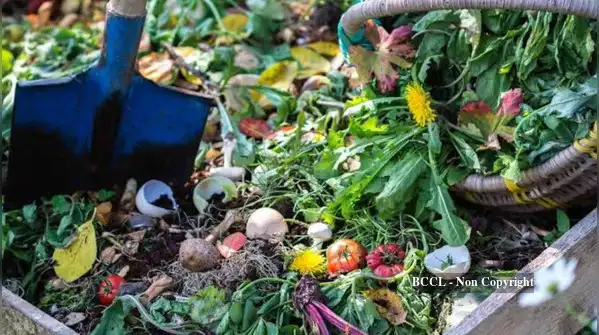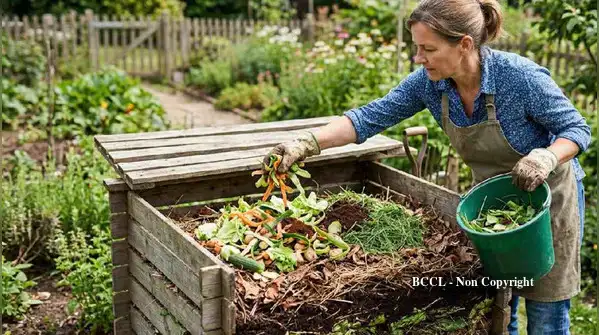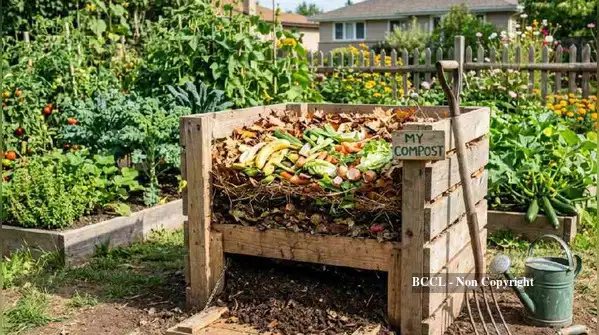
An improperly maintained compost pile may turn into a smelly mess due to overabundance of food scraps and lack of proper ventilation. One of the most accessible and environmentally-friendly methods to recycle food and garden scraps is composting. For many homeowners, however, one of the main problems associated with maintaining a compost pit is the smell.
About 10-15 cm of dry twigs, small branches, woody garden debris, or wood chips should be used at the bottom. Because these materials are likely to attract animals and bugs, you should never add meat, fish, bones, dairy products, fats, or oils. The key thing to remember is that a well-maintained compost pit should emit a pleasant earthy scent, not that of decomposing organic waste. In case of foul smell, it usually means that the compost has become overmoist, compacted and rich in nitrogen, lacking sufficient amount of oxygen. Below, you will find some tips on how to set up a low-odour compost pit in your garden. This will allow space for air as well as help with drainage. Coarser items are even better since they do not compact easily. Stir the pile with a garden fork or shovel on a regular basis. The mixture will introduce oxygen and help you avoid forming airless, compacted spots within the compost heap. When it comes to making a standard compost heap in your backyard, focus mostly on vegetable matter that comes from your kitchen and garden. The finished compost must have the color, structure and smell of dark, rich soil, and the recognizable ingredients should no longer exist in it. Backyard compost takes from a few weeks to several months to mature depending on the process being used and the way it was maintained.