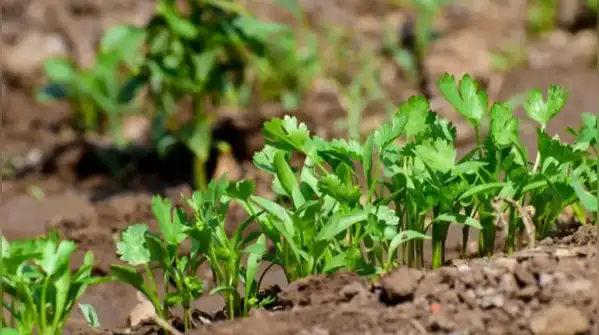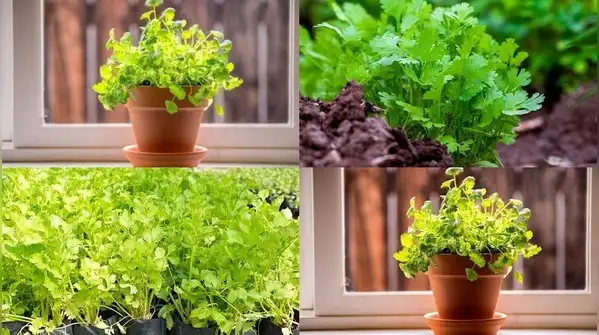
Coriander loves cool weather, which makes winter the best season to grow it. Where summer heat makes the plant bolt and flower within weeks, the milder months give you slow, steady growth and plenty of fragrant leaves for chutneys, dals and garnishes. It is also one of the easiest herbs for a beginner, and it grows happily in a pot, a window box or a small bed. Here is a simple step-by-step guide to keeping coriander healthy through the cold months.
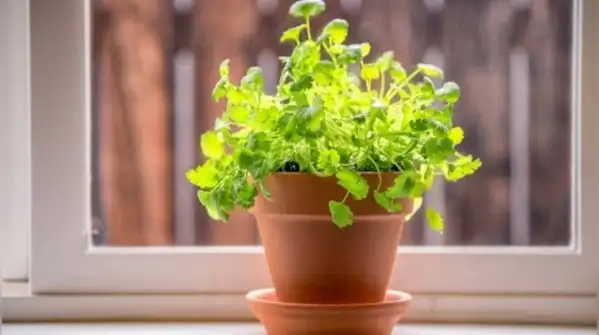
Keep the soil lightly moist but never waterlogged. In winter, plants dry out more slowly, so water only when the top of the soil feels dry to the touch, and always water in the morning so the leaves can dry before night. Too much water leads to yellow leaves, root rot and mould, which are the most common beginner mistakes. If the pot has a saucer, empty it after watering. A thin layer of mulch, such as dry leaves or straw, helps hold moisture without keeping the soil soggy. Most coriander handles mild winter cold well, but a hard frost can damage the leaves. On very cold nights, cover the plants with a light cloth, or bring the pot indoors and put it back in the sun in the morning. Check the leaves for aphids, which cluster on tender shoots, and wash them off with a strong spray of water or use a mild neem oil spray. Remove any yellow or damaged leaves, and avoid wetting the leaves late in the day, which can encourage fungal spots. This article is intended for general informational and gardening purposes only. Growth and harvest times vary with climate, variety, light, soil and individual care, so results may differ. Wash all home-grown herbs thoroughly before eating. Handle garden tools, fertilisers and pesticides with care and keep them away from children and pets.
Pick a container at least 8 to 10 inches deep with drainage holes, since coriander has a long taproot that dislikes soggy soil. Use a loose, well-draining potting mix with some compost or cocopeat. Place it where it gets four to five hours of sunlight a day. In winter, a spot that catches morning or midday sun works well, and a little shade in the afternoon is fine. If your area gets frost or very cold winds, keep the pot somewhere sheltered, such as near a wall or close to a window.