
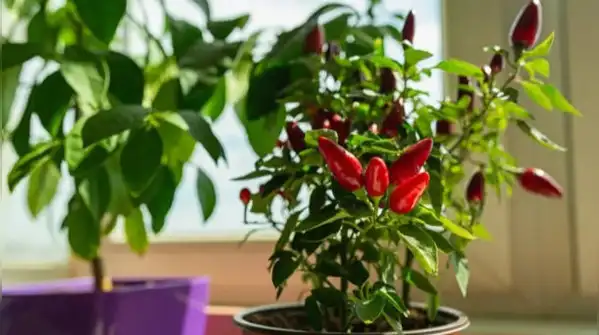
There’s a genuine appeal to snipping a fresh chilli or bell pepper straight off a plant sitting on your kitchen counter, regardless of what the weather’s doing outside. Unlike leafy herbs, though, peppers are fruiting plants that demand considerably more from an indoor setup than a sunny windowsill alone can usually provide; they’re heat-loving, light-hungry plants that essentially need conditions mimicking a warm, sun-drenched greenhouse to actually produce fruit rather than just leafy growth. The good news is this is entirely achievable at home with the right approach. Here’s a complete, step-by-step guide to growing peppers indoors successfully, all year round.
A sunny window is rarely enough on its own, especially through shorter winter days, and most indoor peppers need a dedicated grow light providing somewhere between 14 and 16 hours of light daily, positioned close enough to the canopy to deliver real intensity rather than a faint glow. This is genuinely the single biggest factor separating successful indoor pepper growers from disappointed ones. Insufficient light, far more than insufficient warmth, is the most common reason indoor pepper plants grow leafy and green but never actually flower or fruit. This is the step most beginners skip entirely, and it’s exactly why so many indoor pepper plants flower beautifully but never actually produce fruit. Without bees or wind indoors, pepper flowers need physical help transferring pollen, even though each flower contains both male and female parts needed for fertilisation. Gently shake the main stem once a day while flowers are open, or use a small, soft paintbrush or cotton swab to dab pollen from flower to flower directly, this simple daily habit makes the difference between dropped flowers and an actual harvest.