
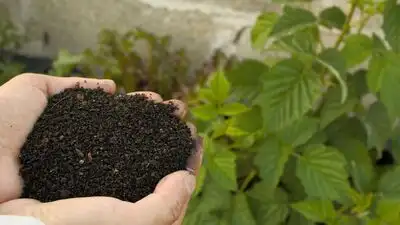
Walking into the kitchen and seeing that the scraps you were about to discard could feed your plants feels very rewarding. Before synthetic fertilizers appeared on garden center shelves, people used compost, ash, and kitchen waste to keep soil rich and plants thriving. Here’s how you too can make these easy homemade fertilizers that really work!
Eggshell fertilizer Eggshells contain about 95% calcium carbonate, the substance found in lime used to neutralize soil acidity and build stronger plant cell walls. Compost tea Compost tea is a liquid made by soaking finished compost in water for 24 to 48 hours then straining it. Used coffee grounds Coffee grounds contain 2% nitrogen by weight plus small amounts of potassium and phosphorus.
Banana peel fertilizer Banana peels are usually thrown away. They hold a lot of potassium along with smaller amounts of phosphorus, calcium, and magnesium. Potassium is essential for flower growth, fruit production, and overall plant strength, which is why banana peels have long been used for roses and other flowering houseplants. Studies that mix banana peels into soil show a rise in soil nutrients compared to soil that has not been treated. You can simply chop peels. Bury them near the roots or soak them in water for a few days to make a potassium-rich liquid feed. Calcium deficiency can cause problems such as blossom end rot in tomatoes, and research shows that crushed eggshells improve calcium availability when they are ground into a powder and mixed into soil. Crushed shells break down too slowly to help much, so grinding them into a near-powder form makes a real difference. Studies of compost tea consistently find that it brings microbes into soil, which can improve nutrient cycling and in some cases help protect plants against certain diseases. Results depend on the compost quality. Well-made compost tea is widely regarded by researchers as a low-cost way to boost soil biology. This makes them a mild slow-release fertilizer. Research shows that coffee grounds also improve soil structure by helping water stay in the layer and by increasing aeration. Fresh coffee grounds can be acidic, so acid-loving plants such as azaleas, blueberries, and hydrangeas benefit the most. Use coffee grounds around plants that prefer neutral soil. Epsom salt solution Epsom salt is magnesium sulfate and magnesium is a part of chlorophyll the pigment plants use to make food. Extension research shows that a lack of magnesium can cause leaves to yellow and reduce yield in tomatoes, peppers, and roses. A diluted solution. One tablespoon in a gallon of water. Applying it once a month has been shown in field trials to improve leaf color and flowering when the soil really needs magnesium, though it is not a fix and works best when a deficiency truly exists. There’s no denying that these homemade fertilizers do not replace every input a garden needs, and results depend strongly on existing soil conditions. You use AI every day. Now get your AI Quotient. Take the AIQ test Get the latest Lifestyle News and more. Download the TOI app.