Moments when one walks through a garden on a warm morning, they might notice something quietly remarkable. A flower that opened in one colour can look completely different by afternoon. Some shift from blue to pink, others move through yellow, orange and crimson in a single day.
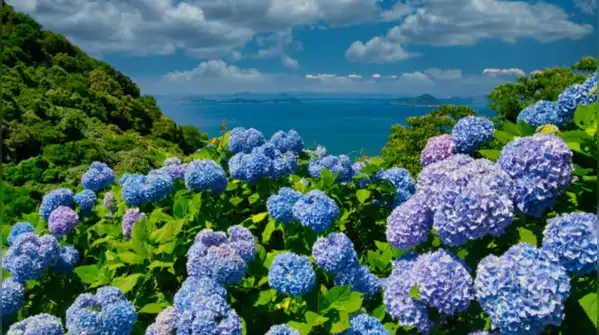
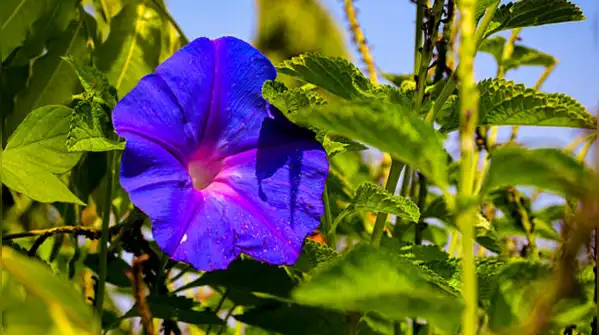
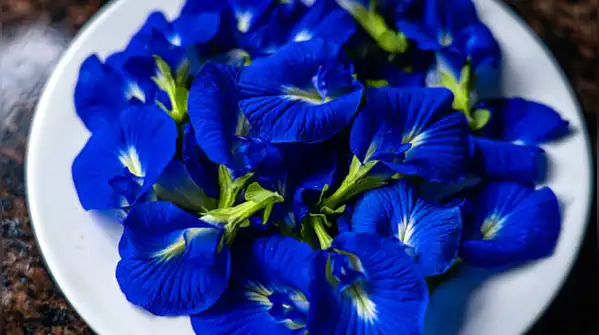
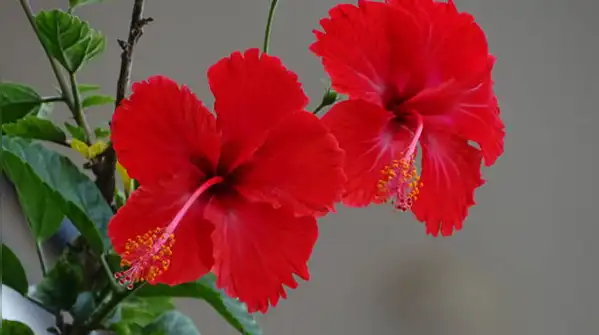
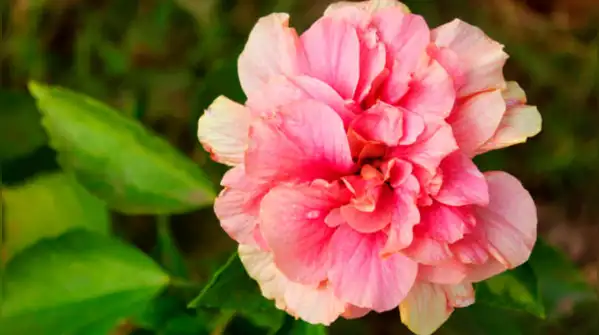
Because the pH inside the petal cells rises from about 6.6 to 7.7, a 2005 research paper published in PubMed have shown that this happens. Because the flower is getting older, image credit: iStock Some plants change color simply. These changes are not random tricks of the light. They are the result of precise chemistry happening inside the petals, driven by pigments, pH levels, age and even the soil the plant grows in. Image credit: iStock The most famous example is the hydrangea. Its flowers can appear blue or pink depending on the soil as stated in a report of American Scientist. In acidic ground, aluminium ions become available to the plant. These ions bind with a pigment called delphinidin and create a blue complex. In more alkaline soil the aluminum stays locked away, and the same pigment produces pink or red tones instead. Gardeners have used this knowledge for generations, adjusting soil pH to steer the color they want. Image credit: iStock Morning glories offer an even more precise daily performance. The variety known as Heavenly Blue opens with buds that look purplish-red. Within a few hours the open flowers turn a clear sky blue. A specialized ion pump moves potassium into the cell vacuoles and pushes hydrogen ions out, making the environment more alkaline. Image credit: iStock Butterfly pea flowers show a similar pH sensitivity. Their deep blue blooms can turn pink or even greenish when the surrounding solution becomes more acidic, a change that happens almost instantly in laboratory tests and more gradually in the garden. The Confederate rose, or Hibiscus mutabilis, is one of those. A single flower can open pure white in the morning, turn soft pink by midday and deepen to red by evening. The shift comes from the gradual build-up and alteration of anthocyanin pigments as the flower matures and begins to senesce. Image credit: iStock Rosa mutabilis follows a gentler path. Its single blooms start yellow, move through soft pink and finish in a deeper crimson. The change is tied both to the natural aging of the petals and to the amount of sunlight they receive. Image credit: iStock
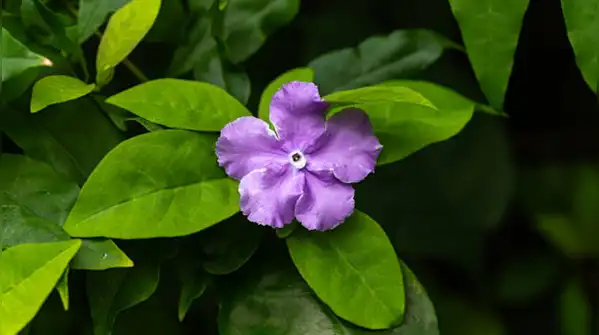
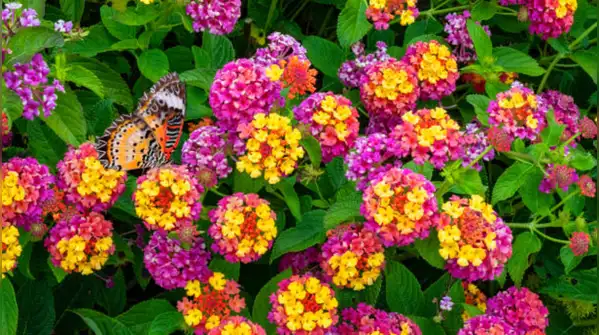
Flowers open deep purple, fade to lavender the next day and become almost white by the third. The plant actively breaks down its anthocyanins as the bloom ages, creating a living timeline on every branch. Image credit: iStock Lantana takes a different route. Its flower clusters often open yellow or cream and then turn orange, pink or crimson. In many cases the shift is triggered after pollination, acting as a quiet signal to insects that the nectar has already been taken. Temperature also plays a role across several species. Cooler weather tends to favor richer red and purple anthocyanin production, while heat can cause those pigments to break down, leaving flowers looking washed out or shifted toward pink. Image credit: iStock
Brunfelsia, often called yesterday-today-and-tomorrow, works on a longer timescale.