
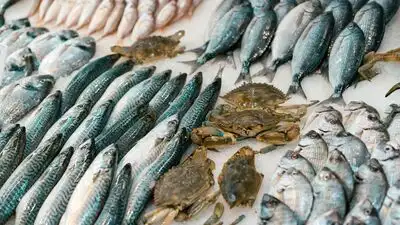
Love gorging on fish, but often find it difficult to buy the right one, so you must read on as we decode some secrets to buy that perfect fresh fish. Most of us feel confused with so many choices of fish in the market, but what is even more difficult is to buy the fresh fish and here are some tips to choose the best one!
Because the eye’s clarity breaks down naturally as enzymes and bacteria work on the fish after it dies, this happens. Because of their natural food, wild-caught fish usually have omega-3 fatty acids. Bigger fish like swordfish, king mackerel, and shark have mercury because they are higher on the food chain, according to FDA and EPA rules.
According to rules from the U.S. This might come as a surprise, but really fresh fish should not have a fishy smell. Science research explains that the strong smell people think of as fish comes from a chemical called trimethylamine, which builds up when fish starts to go bad after being caught. Food and Drug Administration (FDA) fresh fish should smell light, clean, and slightly like the ocean or a stream. Not sour. For fish the eyes are one of the best signs of freshness. Studies on seafood quality show that clear bulging eyes mean the fish is fresh, while cloudy or sunken eyes mean the fish has been around too long. If you are buying a fish, look at the gills first. Seafood science research shows that fresh fish gills should be bright red or pink, while brown or gray gills mean the fish is old and has been oxidized. Studies comparing farmed and wild fish have found differences. Farmed fish often have total fat, some of which may not be as good depending on how they are raised. Neither choice is automatically bad. Research shows checking labels can help you pick based on your health needs. This is important for pregnant women and young children. Smaller fish like sardines, salmon, and tilapia are low in mercury. Tested well.