
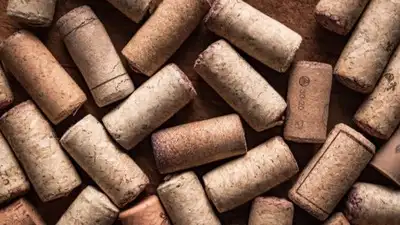
Cork, it turns out, has a natural structure that makes it surprisingly well-suited to solving one of the most common problems in container gardening, poor drainage, and gardeners who’ve tried it are reporting healthier plants and fewer soggy, waterlogged roots as a result. Scroll through gardening content online lately, and there’s a decent chance you’ll spot someone dropping a handful of old wine corks into a plant pot or tucking a few underneath it like tiny stilts. It looks almost too simple to actually do anything useful, but this quietly viral trend has genuine science behind it, not just internet hype. Here’s the actual reasoning behind the trend and how to do it properly.
The material itself is genuinely well-suited to the job. Natural cork, harvested from the bark of cork oak trees, is dense with microscopic air pockets, making it lightweight, breathable, and naturally water-resistant all at once. That combination lets excess moisture drain through freely while still helping prevent soil from washing straight out of the drainage holes along with it. Unlike rocks or gravel, cork barely adds any weight to a pot, which matters a lot if you’re regularly moving planters around a balcony or rearranging a small apartment garden. Part of what’s made this hack so popular is how neatly it solves two problems at once. Wine corks are notoriously awkward to recycle through regular municipal systems, and container gardening constantly demands drainage materials that usually mean buying gravel, perlite, or plastic pot feet. Repurposing something you’d otherwise throw away into a genuinely useful gardening material checks both boxes simultaneously, and since natural cork is fully biodegradable, it eventually breaks down and enriches the soil rather than sitting there as inert waste indefinitely.