
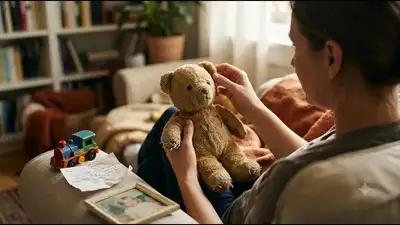
AI generated Image
22 Sept 2026 | 14:56 The value is not in the thing but in the emotion behind it & in the story which we create with it. Psychologists state that possessions can be connected to memories, relationships and important parts of one’s life. One of the main reasons people hold on to childhood ordinary objects is their connection with memories. Certain objects even if they have no monetary value can help people store and remember experiences from their own lives. Personal possessions can help people retrieve autobiographical memories & moments. Leaving simple things of your childhood sometimes feels very emotionally tough. Nostalgia can make the emotional connection to old possessions stronger. An object with an emotional connect has more perceived value.
Early comfortable items can teach a child to self soothe making it a life long support for emotional stability. We anthropomorphise objects, look at them almost as if they have feelings. These things act as tools for identity expression and offer a small way to communicate who we are, what we value, and where we find belonging. They aren’t just material objects they are part of what psychologists call our ‘extended self’ – The idea that we represent who we are through our possessions, our environment, our clothes and who we surround ourselves with. Adulthood comes with seriousness and responsibility, and it kills the spontaneous play and joy. Collecting these items connects us to our childhood self which we always wanted & reintroduce a feeling of lightness back into our lives. Childlike nostalgia can calm our nervous system, reverse our stress response and increase a positive mood. These things can be emotionally healing. Such people like being surrounded by comforting things, these objects make them feel safe and grounded. Their childhood things still brings them comfort. They want to be reminded of who they are at that time of their life. Their favourite thing holds meaningful memories and keeps them connected to what shaped them. They stay loyal to who and what they love. They form strong attachments and don’t easily let go. They want to protect who they used to be, protecting their vivid imagination. These things show early emotional attachments, showing how deeply they value meaningful bonds. Older things show us the value of experience, which can be felt only through time and being touched. When we appreciate an older thing , we learn to appreciate time itself. If it starts to interfere with daily life, that’s a different situation and can be seen as a hoarding disorder. Most people just keep a few things that mean something to them. (Divya Mohindroo, Counselling Psychologist, Embrace Imperfections) You use AI every day. Now get your AI Quotient. Take the AIQ test Get the latest Lifestyle News and more. Download the TOI app.
People associate their identity with their possessions, discarding an ordinary thing of the past which was meaningful earlier would feel like losing a part of their life .