
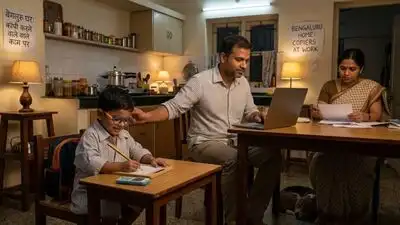
Parents are among the people children encounter most frequently, which means everyday behaviour at home can become an important source of information about how to communicate, respond to situations and interact with others. A child pretending to speak on the phone exactly like a parent, copying the way they sit or repeating a phrase they hear every day may look like simple imitation. But these small moments can reveal an important part of how children learn. Psychology has long recognised that children learn by observing people around them, particularly the adults who care for them. This does not mean children simply become exact copies of their parents. Their development is shaped by many influences, including temperament, relationships, peers, school and the wider environment. But what they repeatedly see at home can become part of the behavioural patterns they learn and practise.
One of the best-known explanations for imitation comes from psychologist Albert Bandura’s work on observational learning . His research helped establish the idea that people can learn behaviours by watching others rather than experiencing every behaviour themselves.
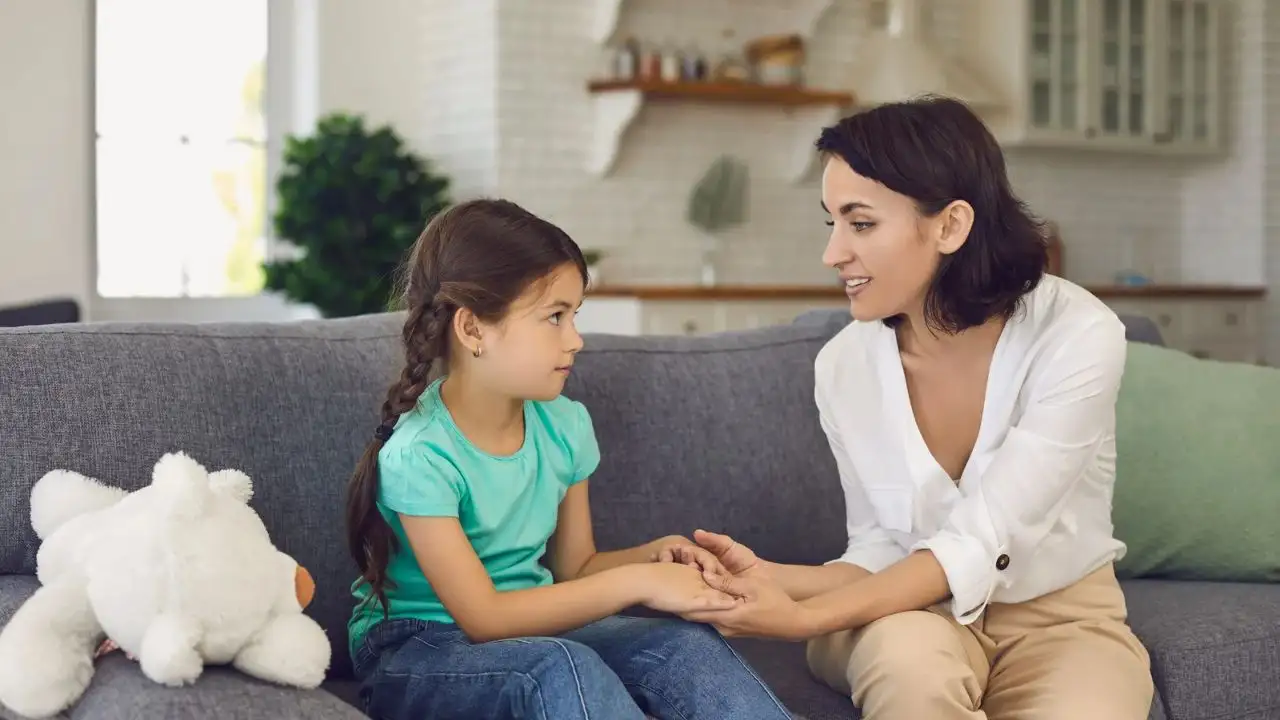
A parent who loses patience and later says sorry is demonstrating that mistakes can be acknowledged and repaired. The important factor is the overall pattern. A parent who asks for help can show that needing support is normal. A parent who listens carefully can demonstrate how respectful communication works. The Harvard Center on the Developing Child notes that responsive relationships help provide a foundation for healthy development and can also help buffer children against the effects of stress. This does not mean every parental behaviour will automatically be copied. Children interpret what they observe, and different children can respond differently to the same environment. Still, repeated experiences can become meaningful parts of their learning environment. So when a child copies a parent’s expressions, routines or reactions, it may be more than an amusing family moment. The child is experimenting with behaviours and learning what different actions mean. Parents are not their children’s only teachers, and children eventually develop their own personalities, beliefs and choices. But the patterns children repeatedly encounter at home can give them an early framework for understanding relationships, emotions and everyday life. That is why the smallest habits can sometimes carry the biggest lessons. A child may appear to be simply copying a parent, but behind that imitation is a developing person trying to understand the world and find their own place in it.