

AI representation/ChatGPT
For example, a child who learns that one toy costs ₹500 and another costs ₹2,000 may wonder what makes the second one more expensive. A 2024 study examined financial understanding among 817 children aged four to six in the UK. It found that children whose parents regularly discussed their spending choices had financial understanding scores about 10% higher than those whose parents did not have these conversations as often. They can give an age-appropriate answer, such as, “It cost ₹800.
Because a grandparent reads it with them, while a costly toy may lose its appeal after a few days, a child may treasure an inexpensive book. A child opening a birthday present may pause before trying it out and ask, “How much did this cost? The question can catch parents off guard. They may wonder whether the child is comparing gifts, worrying about money or simply being curious about the price. But a question about a gift’s cost can also be an opportunity to understand how children begin to make sense of money. As they grow, children learn that the things people buy have prices, that some items cost more than others and that adults make decisions about what they can afford. They are also beginning to work out what makes something valuable: its price, how useful it is, how much they like it or who gave it to them. This helps explain why children may ask about the cost of a birthday present, a new pair of shoes or a toy their friend owns. They may be trying to connect the price with what they see or experience. The question does not necessarily mean the child cares only about money. They may be trying to understand the difference between the two products. Children also learn about money by watching what happens at home. They notice when parents compare prices, wait for a sale, choose one product over another or explain why something is too expensive. The researchers cautioned that the findings show an association and do not establish that these discussions alone caused the difference. The finding highlights how everyday conversations can help children learn about money. They do not need a formal lesson every time they ask about a price. A simple explanation of why a parent chose one item over another can help them understand that spending involves decisions and limits. The meaning of a gift is not always tied to its price. Children gradually learn that money has a practical role, but gifts also carry personal and social meaning. A present can represent affection, attention or a shared memory. At the same time, children may notice that adults sometimes spend more on certain occasions or people. Answer simply and honestly: Parents do not need to share every detail of the family budget. We planned to spend that much on your birthday gift.”
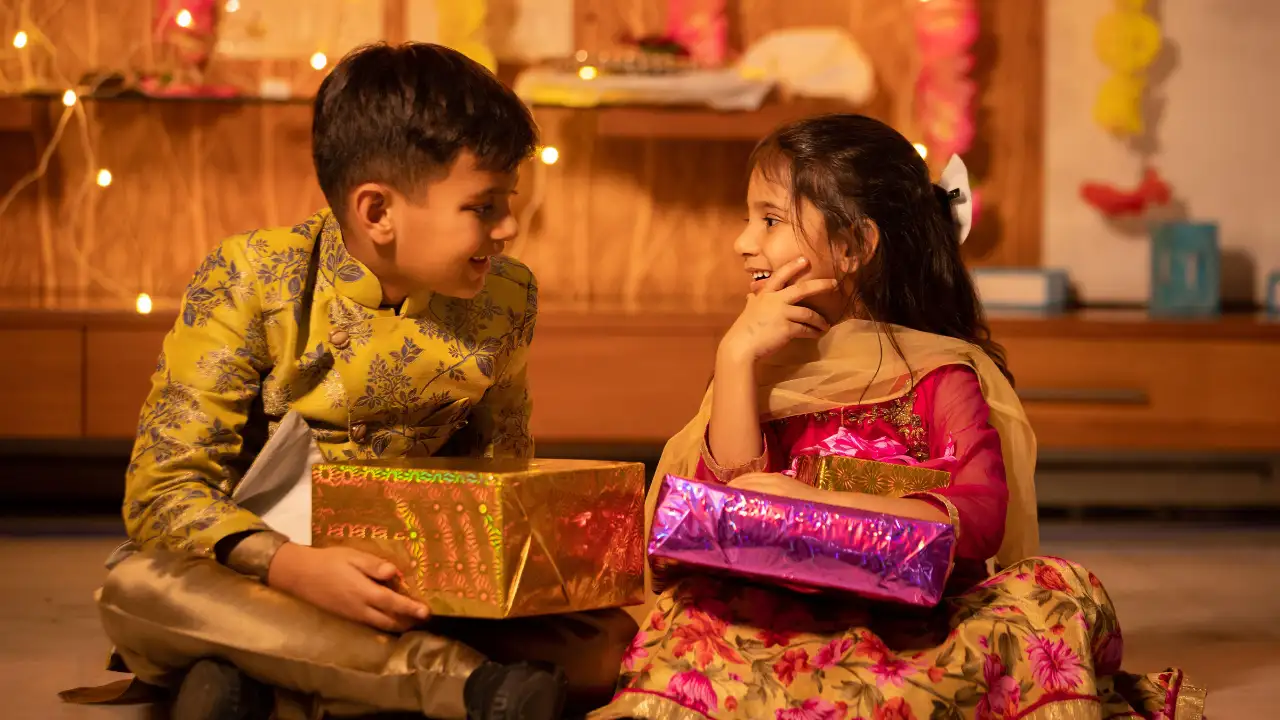
Talk about value beyond money: Ask what the child likes about the gift. Is it fun to use? Does it remind them of someone? Will they use it often? These questions help children think about why an object matters to them, rather than judging it only by its price.