

Image credits: Canva AI
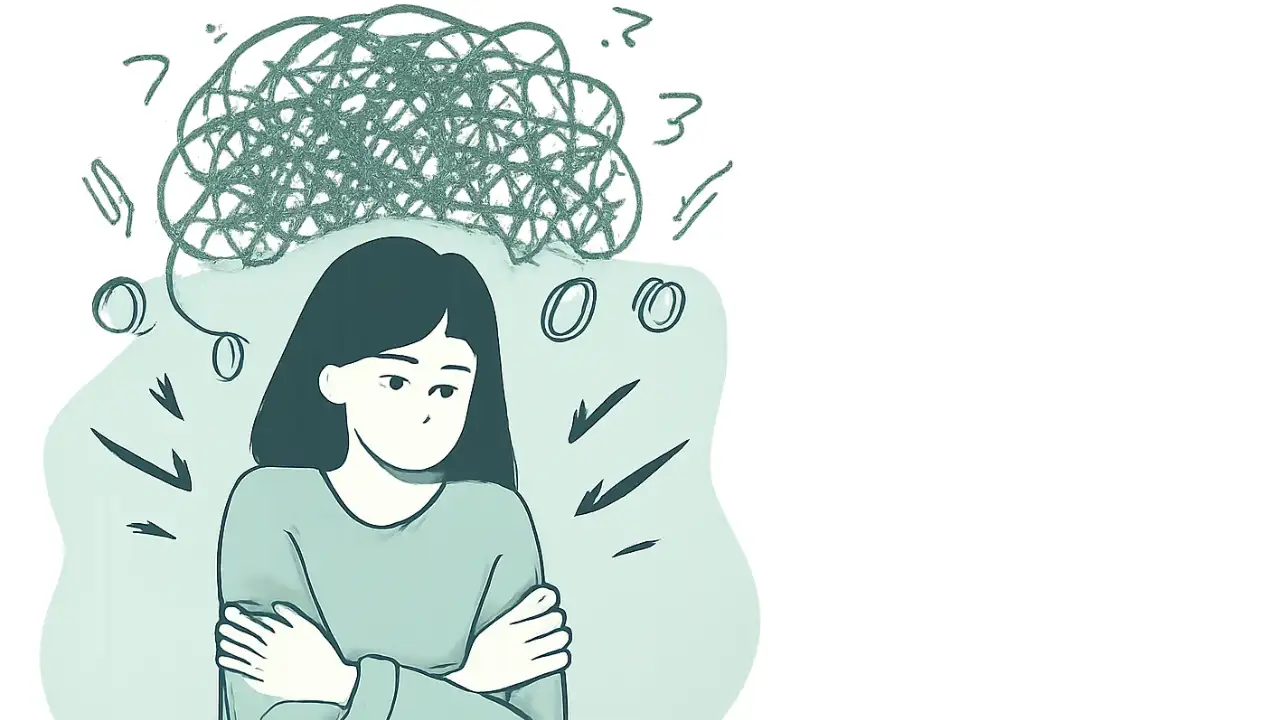
- Toxic positivity is overgeneralisation of state of mind that encourages using positivity but to suppress and displace any acknowledgement of stress and negativity. Toxic positivity results in minimising one’s own negative feelings and suppressing negativity instead of acknowledging, processing and working through it. For example, telling someone that positive thinking will solve all their problems or shaming someone for expressing negative emotions. Rise in stress and tension Some people notice headaches, muscle aches, poor sleep, or fatigue when they are under ongoing emotional strain.

Difference between positive thinking and toxic positivity
Statements such as “Be positive” or “Just be happy” may be spoken with good intent, but they can sometimes be more detrimental than you think. In the book written by an energy healer, “Healed by the Power of Mindshift”, Dr Ektaa Sibal (International Meditation Guru & Gifted Energy Healer) talks about toxic positivity. Healthy optimism is not overrated; a positive mind helps you cope with stressful situations more effectively, reducing harmful effects of stress on the body. When stress hormones stay elevated, they feed chronic stress and its health effects. Since forceful cheering can backfire, it is better to keep an attitude of optimism. As it helps one get through hard things with more resilience, which is grounded optimism. Forced positivity and pushing feelings down can keep stress high. A person who keeps a positive outlook on life can get various health benefits, including: Better coping skills during hardship and stress Ultimately the goal is not to choose between positivity and honesty. It is to take time, sit beside it and acknowledge the feelings without suppressing them. There is a thin line between positivity that is helpful and positivity that fosters denial and avoidance of our true emotions. It mentions that not accepting and acknowledging your true emotions and masking them with constant positivity can be extremely mentally exhausting. This can lead to anxiety and stress as you remain in a constant state of self-deception. In contrast, healthy optimism involves being aware of the true emotion, processing and addressing it with clarity and in a non-judgemental way, and then building a state of positivity or hopefulness within yourself. The goal is not about being cheerful every day but about accepting the truth within ourselves and consciously acting upon it.