How ThinkPads survive Formula 1’s pressure.
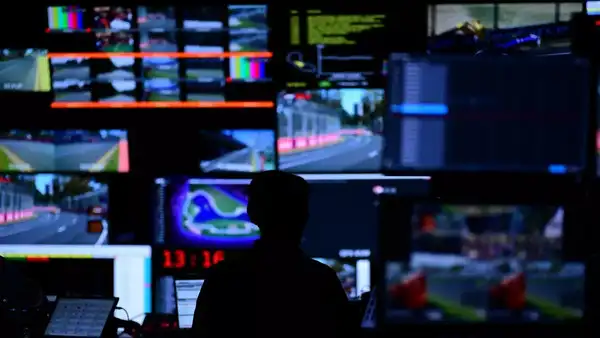
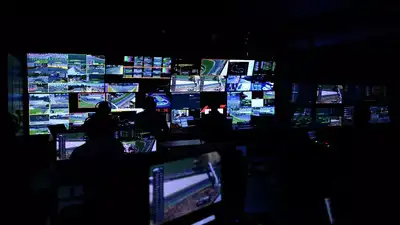
When you think of Formula 1, it’s easy to picture aurally soothing engines, ‘Oh-my-god’ moment overtakes, and all the courage the drivers bring with them to the track. Powering this side of the sport is Lenovo, Formula 1’s Global Technology Partner. We recently visited Lenovo’s Yamato Lab in Yokohama, Japan, where the company designs and tests its ThinkPads – a big part of what it supplies to Formula 1 through its partnership. Lenovo joined hands with Formula 1 in 2022 as an Official Partner, helping meet the sport’s growing tech and broadcast needs. Their relationship deepened in 2024 when Lenovo was named the Global Partner and Global Technology Partner for the 2025 season onwards. Every Formula 1 weekend is a massive tech operation. Over 470 devices are deployed across the circuit, including ultra-high-definition cameras, microphones, and in-car cameras – as many as nine on a single car! The Event Technical Centre (ETC), one of the most complex mobile tech setups in the sport, stretches across 25m by 15m and houses 750 devices that run more than 40 software systems. Each race weekend, it processes hundreds of thousands of transponder events and moves up to 400 GB of data.
But behind all that action is an equally thrilling digital race; one where speed, precision, and reliability matter just as much. As part of this partnership, the Japanese tech giant has to ensure that every broadcast, data feed, and live stream runs without a hitch, no matter where the race goes. But before we get going into the details, here’s a quick overview of this deal. Motorola, which is part of the Lenovo family, also became F1’s Global Smartphone Partner. Lenovo provides its computing solutions, edge technology, and ‘hybrid’ AI systems to F1, which have become an integral part of how the widely popular motorsport runs. The company supports real-time decisions and data collection on the tracks and processes it at F1’s headquarters in the UK simultaneously with minimal latency. These devices capture everything from the driver’s pedal work to the slightest steering inputs. To support this, F1 operates two major technical centres.