
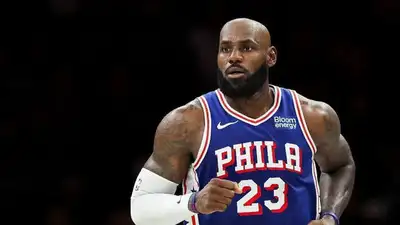
LeBron James (Getty Images)
The Philadelphia 76ers star is reportedly set to earn $15 million annually from Polymarket, nearly four times his expected NBA salary for the 2026-27 season. Polymarket will pay the basketball star $15 million a year under an endorsement agreement, according to Front Office Sports . The report, published on September 16, cited sources familiar with the arrangement. James signed a two-year contract worth $8 million with the 76ers in July. His salary for the 2026-27 season is approximately $3.9 million, meaning the reported Polymarket payment is almost four times his basketball income for the same period.
That said, we believe in the wisdom of crowds, have heard them loud and clear, and removed the market. ” The controversy does not establish that James was involved in creating or managing the disputed market. LeBron James has spent more than two decades building a basketball career that few athletes can match. Yet his latest business move has created an unusual financial comparison. The deal comes as prediction markets attract growing attention and face questions about their role in sports. For James, the agreement highlights the earning power of his global reputation. It also puts the relationship between professional athletes, lucrative endorsements and emerging financial platforms under a brighter spotlight. The figures behind James’ latest partnership have caught the attention of sports business observers. That amount stands well above his expected earnings from Philadelphia. The difference becomes even clearer when comparing the two figures directly. Polymarket defended its decision to remove the contract, with a spokesperson saying: “Our primary goal at Polymarket is to bring objective, data-driven insight to the most important questions of our time. This market addressed whether the government would take action — a process that deserves scrutiny, particularly in a case of such serious concern. Nor does the available reporting show that he had any role in the events behind it. The criticism instead concerns his decision to promote a company that operates in a sector facing growing public scrutiny. For an athlete with a global following, that distinction matters. A commercial partnership can attract attention to a brand, but it can also expose the endorser to questions about the company’s business practices. The Polymarket agreement fits into a broader picture of James’ financial success. Over the years, he has built a portfolio that extends beyond his NBA salary, using endorsements, media projects and investments to create income outside basketball.
His reported annual endorsement payment exceeds his 76ers salary by about $11.1 million. Still, the reported $15 million figure remains based on media reporting rather than a publicly released contract. Polymarket removed the contract after it attracted more than $450,000 in trading volume and drew widespread criticism. James signed with Philadelphia on a two-year, $8 million contract, a move that gives the team greater flexibility while he continues his career. The reported $15 million annual payment is not simply another sponsorship figure. The $15 million figure comes from reporting by Front Office Sports , which cited unnamed sources familiar with the deal. Polymarket is reportedly paying James about $15 million annually, while the 76ers will pay him roughly $3.9 million for the 2026-27 season. That is a difference of more than $11 million, with the endorsement worth almost four times his expected NBA salary. For James, the reported $15 million agreement is another example of his earning power.
Because james is an active NBA player, and promoting markets tied to the sport in which he competes could create additional concerns around conflicts of interest and public trust, that distinction matters. Because his playing salary has fallen sharply from the amount he earned with the Los Angeles Lakers during the previous season, his reported Polymarket earnings are particularly striking. The reported deal also shows how valuable James remains to major brands. Front Office Sports reported that the agreement involves several promotional commitments, including social media posts and other content. James first teased the partnership in a social media video in September, prompting interest from fans before reports revealed the deal’s reported value. An advocacy group launched a petition calling on prominent figures, including James, to cut ties with Polymarket, according to the Associated Press. Still, the reported value should not be mistaken for a complete picture of James’ income. Join conversation Share your thoughts in the comments Be respectful · TOI community guidelines For now, the reported agreement remains an endorsement deal, not an ownership stake.
Sources told Front Office Sports that their endorsement arrangements were smaller than James’ deal. That is a striking contrast for a player whose reputation rests on his performance on the court. However, the comparison does not mean James has abandoned basketball as his main professional pursuit. An NBA salary reflects a player’s contract with a team, while endorsement income comes from commercial agreements. Each serves a different purpose, and neither figure alone captures an athlete’s total earnings. Even late in his playing career, his name can attract attention well beyond basketball. Companies can use that reach to connect with audiences who follow sports, entertainment and popular culture. James is reportedly joining Polymarket as a paid endorser, not as an investor. The exact length of the deal has not been disclosed publicly. The campaign will focus on football rather than basketball. Polymarket is a prediction-market platform where users trade contracts linked to the likelihood of future events. These markets can cover politics, economics, entertainment and sports. The company has become part of a wider contest among prediction platforms seeking new customers and greater visibility. Other well-known names, including former New York Yankees star Derek Jeter and retired NFL quarterback Eli Manning, also appeared in Polymarket’s promotional campaign. For James, the arrangement adds another commercial relationship to an already extensive portfolio. His appeal reaches across sports and entertainment, giving brands access to a broad audience. The financial value is only one part of the story. The partnership arrives at a time when prediction markets are facing difficult questions about their influence on sports and public events. Polymarket allows users to trade contracts linked to the outcomes of future events. Supporters see these markets as a way to measure public expectations, while critics question whether some contracts create ethical concerns or encourage people to treat sensitive events as opportunities to make money. Those concerns have intensified following a recent controversy involving a market on whether any of seven men accused of sexually assaulting or exploiting a Cornell University student would face felony charges. The men have denied the allegations or disputed their involvement. The incident also put the company’s celebrity endorsers under the spotlight. Critics questioned the decision to associate celebrity names with a platform that had hosted such a market. His commercial value, meanwhile, remains substantial. James has worked with major brands throughout his career, and his long-running relationship with Nike is one of the most prominent examples of an athlete building lasting business ties. His media ventures and investments have also helped him establish a presence beyond the court. That wider portfolio explains why his latest endorsement has attracted so much attention. It highlights how a famous athlete can earn more from a commercial partnership than from an entire season of professional competition. The public does not have the full Polymarket contract, its precise duration or every condition attached to the agreement. James’ partnership illustrates a growing challenge for modern sports stars. Their commercial influence can be enormous, but the companies they choose to represent may operate in industries that attract debate over regulation, ethics and public trust. The financial contrast is clear. Yet the broader question is not simply how much James stands to earn. It is how celebrity partnerships affect the public perception of prediction markets as those platforms seek a larger role in sports culture. Its full terms have not been disclosed, and there is no evidence in the available reporting that James was involved in the controversial Cornell market. The deal nevertheless places two powerful forces side by side: James’ enduring commercial appeal and the growing debate around prediction markets. His earnings comparison with the 76ers makes an immediate headline, but the questions surrounding the partnership may prove more significant over time. As prediction platforms continue to expand, athletes and companies alike will face greater attention over the brands they promote. Whether it also becomes a lasting test of his endorsement choices will depend on how the partnership develops and how Polymarket responds to future criticism. Get the latest Sports News and Live updates. Download the TOI app.