
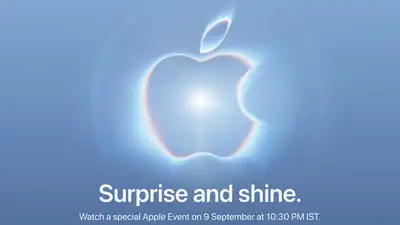
Apple has sent invites for its ‘September event’. iPhone-makers ‘Surprise and shine’ event is set for September 9. Apple September iPhone event is usually the most predictable date on the technology calendar. New iPhones arrive, the Pro models get the biggest upgrades, cameras improve and prices are debated. This year could be very different.
If reports around Apple’s 2026 plans are accurate, the company could use its September event for arguably the biggest restructuring of the iPhone portfolio in years. Two changes stand out: Apple is expected to finally enter the foldable smartphone market, while the regular iPhone 18 may not launch alongside the Pro models at all. The iPhone 18 Pro and Pro Max are expected in September, alongside the foldable, while the regular iPhone 18 and iPhone 18e could move to spring 2027. IDC says memory can account for 15-20% of the bill of materials of a mid-range smartphone and 10-15% of a flagship. Apple itself is reportedly examining cost reductions for the regular iPhone 18, including cheaper display specifications and changes to chips and components, as RAM costs rise.
Because component costs represent a smaller proportion of their selling price, premium phones are better placed to absorb those increases. September 2026 could therefore be remembered not simply as the year Apple finally made a folding phone. The second change may be less glamorous but equally important. Apple is reportedly splitting its iPhone launch cycle. It could also smooth Apple’s sales cycle. Rather than concentrating nearly the entire iPhone launch in one quarter, Apple can create another major upgrade window six months later. But there may be another reason why separating cheaper and expensive iPhones suddenly makes sense: RAMageddon. AI-driven demand for memory is pushing DRAM and NAND prices sharply higher. It expects manufacturers to respond by increasing prices, cutting specifications or doing both. It is part of a much broader smartphone trend. Oppo, Vivo, Realme, OnePlus, Samsung and others have already begun raising prices in India as memory and component costs increase. Qualcomm, too, is raising processor prices from September. Which makes Apple’s expected September strategy particularly interesting. At precisely the moment when smartphones are becoming more expensive, Apple may be removing its mainstream model from its biggest launch and doubling down on the expensive end. It could be the moment the iPhone itself became a more deliberately premium product.
Pingback: With Raksha Bandhan 2026 around the corner, finding a gift that is: The wider industry