
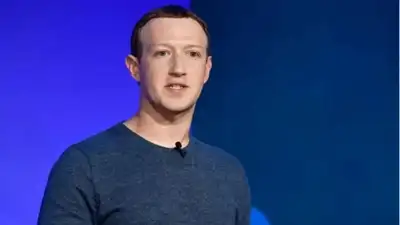
Mark Zuckerberg (Image: ANI)
Zuckerberg testified before Congress multiple times following the 2016 presidential election. Meta suspended Trump from Facebook and Instagram following the January 6 Capitol riot, but the company has subsequently adopted a more cooperative approach toward the administration. Zuckerberg then circulated a draft ahead of the recent meeting, which Meta, OpenAI, Anthropic, xAI, Google and NVIDIA eventually signed. Two other sources familiar with the discussions also confirmed Zuckerberg’s central role in shaping the document, Semafor reported. The reported role in the agreement comes after a major shift in Zuckerberg’s relationship with Washington.
The idea for what became US President Donald Trump’s “White House Accord on Super Intelligence” came from a previous conversation between him, Zuckerberg and US House Speaker Mike Johnson at last week’s state dinner, according to a Semafor report. The White House and participating executives hailed the agreement as a “historic concord” among rival companies, while reports say Zuckerberg played a central role in shaping the pact. The agreement, signed by Meta, OpenAI, Anthropic, xAI, Google and Nvidia, commits the companies to establishing “robust internal controls” and using outside audits to help ensure the safety of frontier AI models.
Mark Zuckerberg may be the architect behind a major artificial intelligence (AI) agreement between the White House and some of the biggest companies. Facebook-parent Meta’s chief executive reportedly discussed AI regulation concerns with Johnson before speaking with Nvidia CEO Jensen Huang about creating principles technology companies could present to Trump. The report claims Zuckerberg sat next to Johnson at the state dinner for Chinese President Xi Jinping. During their conversation, the Meta CEO raised regulatory concerns around AI. Huang also helped gather support for the document among executives attending the White House meeting, including leaders from OpenAI, Anthropic and xAI. Meta and the White House did not comment on the report. Meta later faced litigation from the federal government and private parties, making the company a major target of scrutiny directed at Big Tech. The relationship with the Trump administration has since changed.
Meta previously faced intense scrutiny from lawmakers over issues including election interference, privacy, content moderation and children’s online safety.