
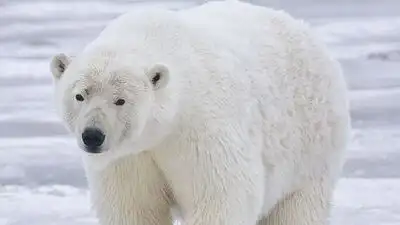
Image Credit: Alan Wilson/Wikipedia
Researchers are testing Bear-vision cameras to warn communities in Canada about approaching polar bears. Conservation charity Polar Bears International is developing Bear-vision, a warning system built on security camera technology that can be paired with shorter-range radar. Its first deployment is planned at Churchill’s waste facility this autumn to help monitor bears and reduce surprise encounters, the organisation’ noted in a blog post. The camera is intended to offer a more affordable, easy-to-use alternative to wide-area radar systems. Researchers will use data gathered at the site to train it to recognise polar bears and send notifications when they appear. The project comes as bears gather along Hudson Bay, waiting for sea ice to return so they can hunt seals, while communities work to keep people and wildlife safely apart. the new system uses smart security camera technology and can incorporate shorter-range radar. Polar Bears International compares the intended function to a doorbell camera that alerts residents when a polar bear is outside While Bear-dar monitors wider areas using radar. The Churchill deployment will help researchers gather the information needed to train the notification system. The response includes new electric fences, Bear-dar and Bear-vision monitoring, and a visit by a Churchill delegation to a waste management facility in Greenland. The camera trial is part of a broader effort to manage the site, not replace physical barriers or other measures.
Bear-vision builds on the organisation’s earlier Bear-dar detection work.
By developing and field-testing innovative, non-lethal deterrents like drones and detection tech like Bear-vision, we’re hoping to expand the variety of safe, effective, and affordable coexistence tools available to communities,” said Geoff York, Polar Bears International’s vice president of science and policy. “It’s not easy to live with large predators as your neighbours, so we’re investing in coexistence approaches, especially as we see climate change causing more human-bear encounters.