
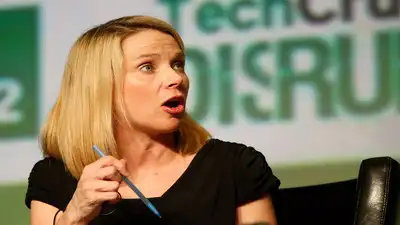
Marissa Mayer has said that the truth about the future of artificial intelligence (AI) is simple: nobody actually knows where it is heading. Speaking on stage of Fortune’s annual Most Powerful Women Summit in California, the former Yahoo CEO and longtime tech leader addressed the debates surrounding frontier AI labs, calling on the sector to embrace humility. Mayer emphasised that the uncertainty surrounding rapid AI development cuts in both directions, urging developers and policymakers to be candid about the potential risks.
“We have a new form of intelligence, and anyone who says they know how this is going to play out is either lying or arrogant or both,” Mayer said, adding, “We have to acknowledge that there is a possibility that things won’t go well,” she noted. However, Mayer put the probability of a genuinely negative outcome at “well less than 50%,” observing that even several prominent AI doomers would likely agree with that calculation. “What that really means is the odds are in our favor,” Mayer explained, pointing to transformative upsides such as major medical breakthroughs, scientific discoveries, and “freeing people up to spend their time and live their lives the way they want to.
Mayer welcomed ongoing discussions regarding official regulation as well as technical collaboration among competing frontier labs as their models advance While describing herself as an optimist.
Tech industry’s ‘Cavalier’ rollout fueled public backlash
After joining Google as an early software engineer and rising to become one of its most visible top executives, she was appointed CEO of Yahoo in 2012, making her the youngest female chief executive of a Fortune 500 company at the time.
The initial corporate positioning of the technology was “perhaps too cavalier,” Mayer observed, leaving working people uneasy about what enterprise-wide AI adoption will mean for their jobs, their households, and their children’s economic futures. Mayer also addressed the shifting cultural tide, conceding that public sentiment across the United States has increasingly soured on AI and that the tech sector itself deserves much of the blame. Despite those widespread anxieties, Mayer expressed confidence in the technology’s ultimate potential, telling Brady: “I personally think it can make all three of those things better. Mayer’s perspective comes from decades at the center of consumer technology. Her tenure drew public scrutiny, including criticism over her decision to take a brief maternity leave. You use AI every day. Now get your AI Quotient. Take the AIQ test.