
Floppy disks are out of US airports by 2028
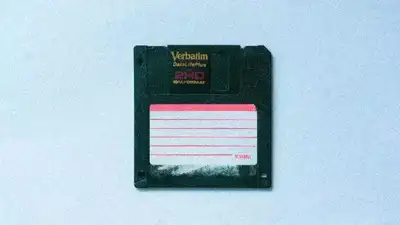
The agency has announced that the ageing information display systems used by controllers, some of which still load weather updates and pilot reports from 3.5-inch disks, will be replaced by a new platform called the Enterprise Information Display System (E-IDS). The switch will reach 435 facilities across the country and is scheduled to be completed by the end of 2028. ” E-IDS will replace four legacy tools: IDS-4, ACE-IDS, NIDS and ERIDS. The oldest of these, IDS-4, runs on MS-DOS and has been in constant use since the early 1990s on desktop PCs fitted with floppy drives. A 3.5-inch disk holds 1.44MB of data, which is less than a single photo from most smartphones today. The Pentagon used 8-inch disks in its nuclear command and control system until 2019, and Japan scrapped rules requiring floppy disks for some government filings only in 2024.
The last of the 435 sites is due to make the move in two years.
US Transportation Secretary Sean Duffy, who credited President Trump for the overhaul, said, “The greatest nation in the world deserves a state-of-the-art air traffic control system. FAA Administrator Bryan Bedford said it will let controllers “instantly share critical flight alerts, restricted airspace schedules and pilot reports” across the National Airspace System. The US Federal Aviation Administration (FAA) is finally pulling floppy disks out of its air traffic control system. Atlantic City International Airport, Nashville International Airport and Greater Rochester International Airport in New York will be the first to get E-IDS, along with data processing hubs in Atlanta and Salt Lake City. He also put it more bluntly: “Good news America: floppy disks are out, 21st century tech is in. E-IDS brings all of this into a single view. The FAA is not the only government body that held on to floppies. For now, controllers at most US facilities will keep sliding disks into drives until their turn comes. You use AI every day. Now get your AI Quotient. Take the AIQ test.
The FAA awarded the E-IDS design contract to Leidos in August 2020 as part of its NextGen modernisation programme, which goes back to 2008, and the project carried on through the Biden years. The push picked up pace after the January 2025 midair collision between a passenger jet and an Army helicopter near Washington, when officials noted that flights were still tracked on paper strips and some computers ran Windows 95. Much of it is still updated by hand.
What sits on those screens is far from trivial. Controllers use them to read pilot reports on weather conditions (PIREPs), Notices to Airmen (NOTAMs) that flag hazards and restricted airspace, approach charts and airport status. A US Government Accountability Office report from September called the legacy systems cumbersome to search, pointing to interfaces from the 1980s and manual update methods. The groundwork predates the current administration.