
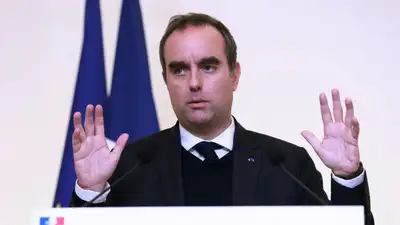
File photo: France’s Prime Minister Sebastien Lecornu addresses the media during a press conference at the end of a social conference with trade unions and employers’ organizations focused on purchasing power and wages
French prime minister Sebastien Lecornu on Monday announced a modest increase in the minimum wage from December 1 in response to mounting cost-of-living protests, but trade unions swiftly dismissed the move as inadequate, saying it fell far short of workers’ demands. Following meetings with representatives of employers’ organisations and trade unions, Lecornu announced a 1.6% increase, which will raise the monthly minimum wage by around 24 euros to approximately 1,502 euros net. The increase comprises a 1% adjustment for inflation and an additional 0.6% boost.
The minimum wage currently stands at around 1,478 euros net per month, following a 35-euro increase in June to account for inflation. Labour minister Jean-Pierre Farandou had previously said he wanted the figure to cross 1,500 euros, provided an increase did not damage employment.
CFDT general secretary Marylise Leon described the government’s offer as “insufficient”, while CGT leader Sophie Binet dismissed the additional five euros a month, beyond the automatic inflation adjustment, as “crumbs”. “Five euros is one kilo of tomatoes,” Binet said to Reuters, reiterating that a limited increase would do little to ease the financial pressures facing households. Edouard Philippe, the centre-right Horizons candidate, said minimum wage levels should be determined through negotiations between employers and unions rather than imposed by the government.
The announcement comes after weeks of demonstrations over wages, rising living costs and deteriorating public services. The protests, which began with high school blockades in September, have since expanded into a broader movement involving students, workers and other groups dissatisfied with the government’s economic and political response. Candidates from the political centre have also struggled to position themselves amid the unrest.