Image: REFORM
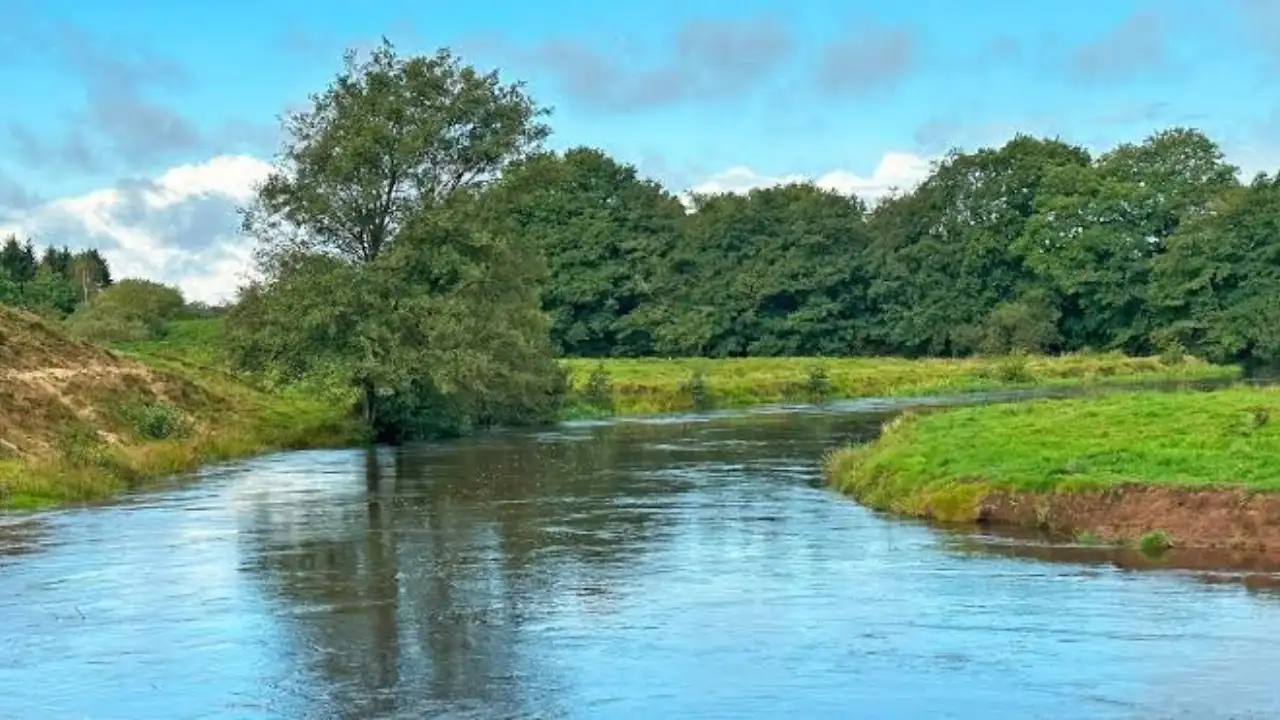
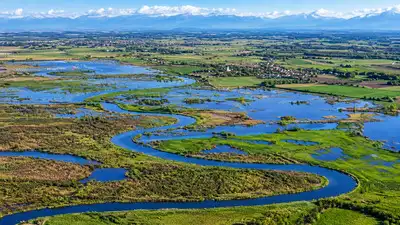
By 1987, the result was a stretch of low-quality farmland, and the government launched a major restoration project in response. The restoration launched in 1987 was, in essence, the 1960s project played in reverse. That new course stretches over 26 kilometres. Alongside the river itself, the project reconverted around 2,200 hectares of surrounding land to marshland, an area equal to roughly 22 square kilometres.
Because the first crops grown on the reclaimed ground were fairly successful, for a while the gamble appeared to work,.
Productivity on the land diminished drastically, even though farmers applied large amounts of fertiliser to keep yields up, according to the European Commission. The story begins in the 1960s, when a major project set out to straighten and embank the Skjern River, one of the largest in Denmark, and turn the surrounding marshland into agricultural land. The trouble came with time. Rather than leaving the river confined to a straightened and embanked channel, the government had the Skjern River re-excavated and placed into a more natural, meandering riverbed. This land had been turned over to agriculture in the 1960s, so the work meant giving up farmland that had already proved disappointing. In practical terms, ground that once received large amounts of fertiliser is now marshland. Taken together, the changes did not simply tidy up a damaged river. They rebuilt the wider landscape of river and marshland that the original scheme had removed.