More than 60 years after the tradition began, the practice continues across Italy and beyond.
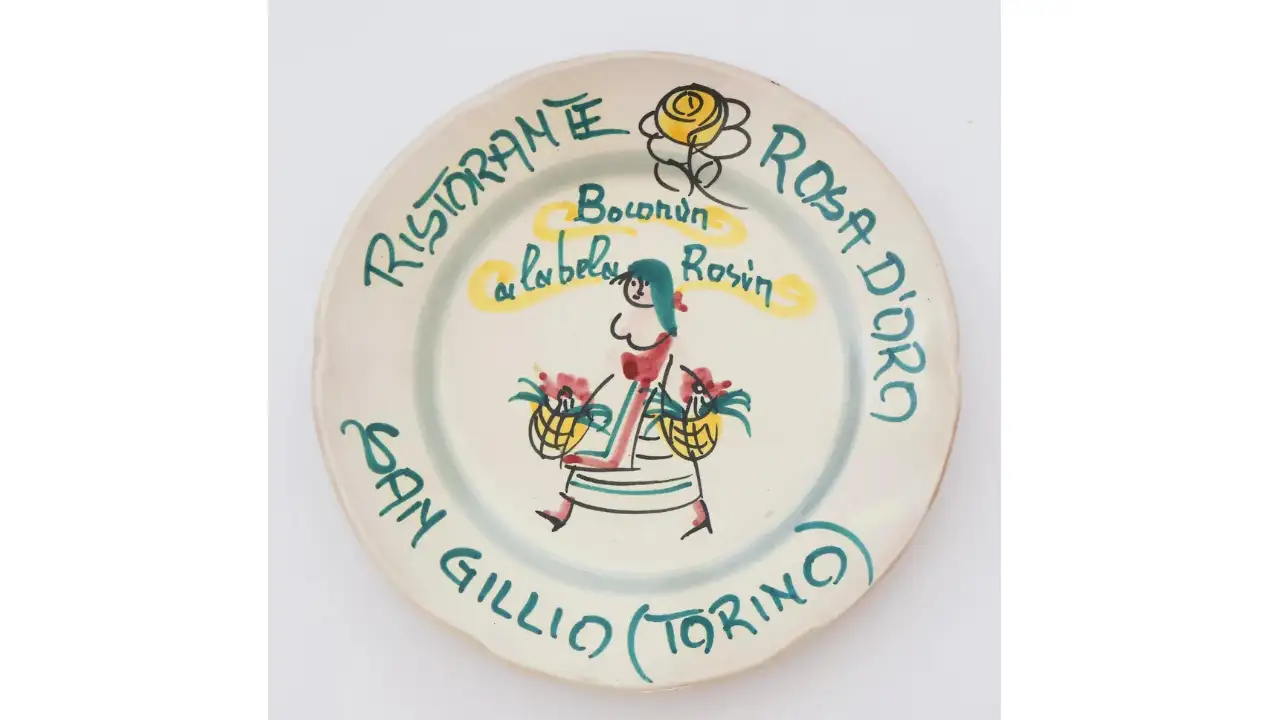
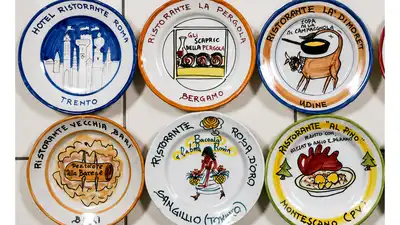
Known as the Piatti del Buon Ricordo, or “Plates of Good Memory”, the tradition began in 1964 with an idea to promote Italy’s regional cuisine and encourage diners to discover local specialities. Imagine finishing a meal at an Italian restaurant and leaving with the plate on which your food was served. It sounds unusual, but for more than six decades, a group of Italian restaurants has turned this simple piece of tableware into a lasting souvenir. Participating restaurants offer specially designed ceramic plates featuring images linked to their signature dishes, restaurants or surrounding areas. Diners who order the designated speciality can take the commemorative plate home, creating a physical reminder of their meal and journey.
The story began in 1964, when advertising executive and cultural promoter Dino Villani helped establish the Unione Ristoranti del Buon Ricordo. The original 12 restaurants had more than doubled by the end of the 1960s, while membership approached 100 by the end of the 1970s. In 1977, a separate Association of Collectors was established, reflecting the growing interest in the plates themselves.
The plate therefore represents both the food they ate and the place where they experienced it.
The name Buon Ricordo translates roughly as “good memory”, reflecting the purpose behind the objects. The Buon Ricordo organisation says the plates are made using clay associated with the area and are hand-painted by artisans. Twelve restaurants came together in Milan in April that year to promote an idea centred on Italy’s regional cooking. At the time, traditional regional cuisine was competing for attention with French-influenced cooking, and Villani wanted to encourage greater appreciation of the dishes and culinary identities found across Italy. The organisation created an unusual way of connecting food with memory. Participating restaurants would offer a distinctive local speciality and provide diners with a ceramic plate designed to commemorate that dish and the place where it was served. The concept transformed a restaurant meal into something that could be remembered long after the diner had left. The plates associated with Buon Ricordo are not simply the ordinary dinner plates used by restaurants. They are specially designed commemorative ceramics produced for the programme. Each participating restaurant has its own plate, generally featuring an illustration connected with its signature speciality, local ingredients, town or surrounding area. Instead of leaving diners with only the memory of a meal, the tradition gives them something physical to take home and display. The idea grew rapidly after its launch. Travellers could visit participating restaurants, sample their regional specialities and take home the corresponding ceramic. Over time, collections became a way of documenting journeys through Italy, with each plate serving as a physical reminder of a particular restaurant, dish and destination. The ceramics have traditionally been produced in Vietri sul Mare on the Amalfi Coast, an area with a long-established reputation for ceramics. This craftsmanship gives the souvenirs a character that distinguishes them from ordinary mass-produced tourist merchandise. Each restaurant’s design is created specifically around its food and local identity, meaning the finished plate becomes a small piece of culinary and artistic representation of that place.