
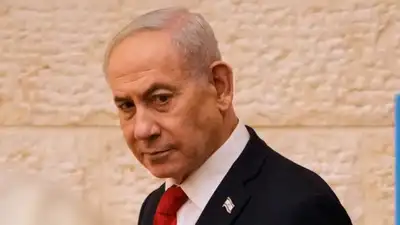
Likud claimed it was submitting hundreds of testimonies and other pieces of evidence to the police.
Arab citizens make up around 20 per cent of Israel’s population, and the campaign saw growing mobilisation amid anger over the government’s policies and concerns about racism and discrimination. In towns such as Majd al-Krum in northern Israel, turnout reached 85 per cent of eligible voters. Netanyahu’s bloc remains short of the 61 seats needed for a majority, while Eisenkot’s opposition bloc also cannot reach that threshold without support from parties outside its current grouping.
“The elections in the State of Israel were stolen by Arab parties that support terrorism and the elimination of the Jewish state through serious criminal offences of bribery, threats, violence, forgeries, and the use of prohibited software to mobilise voters,” the party said in a statement shared by Netanyahu on X. The party also called on the Central Elections Committee to investigate the allegations before the results were finalised, describing the alleged offences as “a serious blow to Israeli democracy and the voting rights of Israeli citizens”. Arab political parties have emerged as a major force in Israel’s election, securing a record number of seats and leaving both Prime Minister Benjamin Netanyahu’s bloc and the opposition camp led by Gadi Eisenkot short of the numbers needed to form a government. The result has given Arab lawmakers greater potential influence over the formation of the next government, although it remains uncertain whether the opposition will agree to rely on their support. As the results showed no clear path to a majority for either main bloc, Netanyahu’s Likud party alleged that Arab parties had manipulated the election and demanded an investigation into alleged voter fraud. The election has left both main camps facing a difficult task.
The strong showing follows an unusually high turnout among Arab voters, many of whom had previously stayed away from national elections.